
Home » Ingredients » Beetroot Powder
Beetroot Powder Benefits: What the Research Shows
Beetroot powder is a dried, ground form of the beet (Beta vulgaris), used mainly as a source of dietary nitrate, although nitrate levels vary widely between products. It is used to raise nitric oxide levels, with modest evidence, mostly from beetroot juice, for lower blood pressure and better endurance.
Last updated 7 October 2026
Beetroot Powder: the short answer
Beetroot's main active compound is dietary nitrate. Meta-analyses, mostly of beetroot juice, show small drops in blood pressure (about 3-4 mmHg systolic) and small gains in endurance such as time to exhaustion, with less benefit in highly trained athletes. Many powders supply far less nitrate than studies used, and brain or anti-inflammatory benefits are unproven.
| What it is | Dried, ground beetroot (Beta vulgaris). Its main active compound is inorganic nitrate, which the body converts to nitrite and nitric oxide; it also contains red betalain pigments. Nitrate content varies widely between products and is often lower in supplements than in fresh beetroot or concentrated juice. |
|---|---|
| Most studied for | Lowering blood pressure and improving endurance exercise (time to exhaustion, power output), mostly using nitrate-rich beetroot juice; also studied, with little support, for brain blood flow and thinking skills. |
| Amounts used in studies | Exercise: about 5-9 mmol (310-560 mg) of nitrate taken 2-3 hours before, or daily for more than 3 days; for example 500 mL of juice a day (about 11 mmol nitrate) for 6 days. Blood pressure: 70-500 mL of beetroot juice a day, from single doses to several weeks. In a 2023 test of 50 beetroot supplements, the highest daily dose supplied 169 mg of nitrate. |
| Strength of evidence | Moderate for nitrate-rich juice: meta-analyses show small blood pressure reductions and small endurance gains. Limited for powders, which often supply less nitrate, and little or no evidence for cognitive or anti-inflammatory benefits. |
| Safety | Generally well tolerated; pink or red urine or stools (beeturia) is harmless, and some people get stomach upset. Beets are high in oxalate, a concern for people who form calcium oxalate kidney stones. It may add to the effect of blood pressure medicines, so check with a doctor first. |
| In products we review | ProstaVive, Red Boost, VenoPlus 8, Finessa, HepatoBurn, Nitric Boost |
Sources: Beetroot juice blood pressure meta-analysis · Nitrate endurance meta-analysis 2021 · IOC supplement consensus 2018 · Nitrate in beetroot supplements
Benefits of Beetroot Powder
What is Beetroot Powder?
Beetroot powder is a concentrated, dehydrated form of the garden beet (Beta vulgaris). The root is dried and ground into a fine powder, but tests show that many beetroot supplements provide less nitrate per daily dose than a serving of fresh beetroot. Unlike raw beets, the powder is shelf-stable and convenient, but its nitrate dose per serving is often low or not stated on the label.
Origin and Historical Context
The beetroot has a long and storied history that traces back to the ancient Mediterranean. While early civilizations like the Greeks and Romans initially consumed only the leafy greens of the plant, the bulbous red root was primarily utilized for medicinal purposes. It wasn't until the 19th century that the root became a dietary staple across Europe and North America. In modern times, the focus has shifted from culinary use to performance optimization. Since the late 20th century, scientific interest in beetroot has grown, particularly after the discovery of the nitrate-nitrite-nitric oxide pathway, which led to its study for exercise performance and blood pressure.
Top Rated Supplements with Beetroot Powder
Products we review that list Beetroot Powder as an ingredient. Not every product discloses how much of each ingredient a serving contains, so check each review before assuming it matches the amounts used in studies.
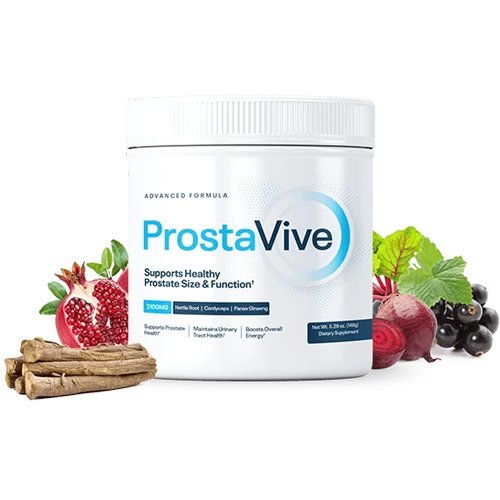
In the landscape of men's health, few issues are as persistent and frustrating as prostate-related discomfort. ProstaVive is a once-daily drink powder that its vendor markets for prostate health, urine flow, sleep and sex drive. Its official label lists herbs such as fenugreek, ashwagandha, maca, tongkat ali and nettle root, plus zinc, magnesium, vitamins D3 and B6, and boron. The formula itself has not been tested in a published trial, and nettle root, a traditional prostate herb, has shown mixed results in trials. Men with urinary symptoms should see a doctor first, because the same symptoms can come from an enlarged prostate, an infection or prostate cancer.
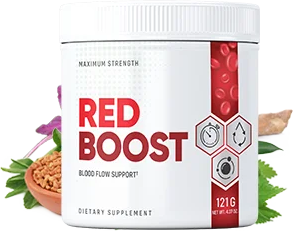
Red Boost is a once-a-day powder sold to men for firmer erections and blood flow, with L-citrulline, horny goat weed, maca, tongkat ali, nettle root and a fruit and beetroot blend. This review compares its label with the research and explains the prices and the 180-day refund.

VenoPlus 8 is a green apple-flavored drink powder from Simple Promise, sold for circulation, blood pressure and cholesterol. One scoop contains vitamin K2 (MenaQ7), beetroot, pomegranate and grape seed extracts, hesperidin, vitamin C, magnesium and inulin fiber, all with amounts on the label. This review compares those doses with the trials, checks the “heart attack risk by half” claim and the warfarin warning the seller leaves out, and covers the prices and the 365-day refund.
Finessa is a powdered digestive supplement sold for constipation, bloating and a “flatter belly”. One scoop combines fruit and vegetable powders, liver herbs such as dandelion and milk thistle, probiotics and cascara sagrada, a stimulant laxative. This review covers what the label shows, what the research supports, why the laxative matters, side effects, the real prices and how the 180-day refund works.
HepatoBurn is a dietary supplement that the vendor markets for liver health and metabolism. It is pitched at people who blame a sluggish liver or metabolism for stalled weight loss, an idea that has not been tested with this product. Its listed ingredients are plant extracts such as milk thistle and berberine plus the nutrient choline, and none of them is a stimulant.
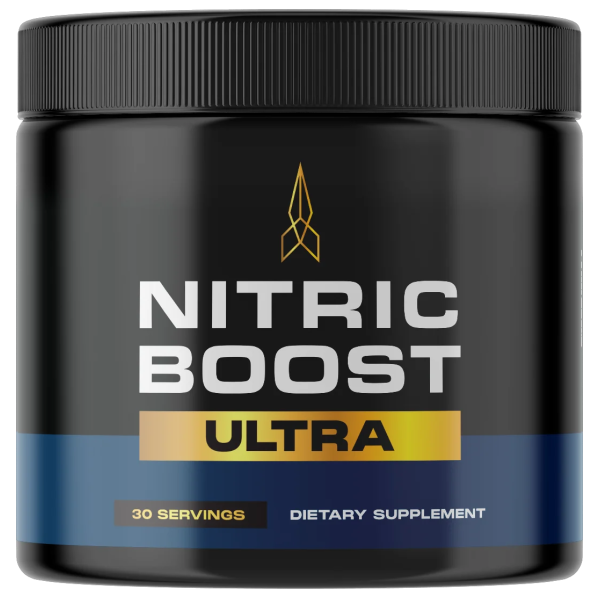
Nitric Boost (labelled Nitric Boost Ultra) is a once-a-day powder sold to men for firmer erections, with beetroot, L-arginine, L-citrulline and five other ingredients in a proprietary blend. This review covers what is in it, what trials show for arginine and citrulline in erectile dysfunction, who should not take it, the prices and the 60-day refund.
Scientific Analysis of Beetroot Powder
The Mechanism of Action: The Nitric Oxide Pathway
Beetroot is studied mainly for its inorganic nitrate (NO3-), although the nitrate content of beetroot powders varies widely. When you consume beetroot powder, a specific biological sequence begins in the mouth. Commensal bacteria on the tongue reduce the nitrates into nitrites (NO2-). Once swallowed, these nitrites are further converted into nitric oxide (NO) in the stomach and eventually the bloodstream, particularly under conditions of low oxygen availability.
Nitric oxide is a potent signaling molecule that triggers vasodilation—the widening of blood vessels. By relaxing the smooth muscle cells within the arterial walls, nitric oxide reduces vascular resistance and improves blood flow. This mechanism is central to almost every health benefit associated with beetroot, from lowering blood pressure to enhancing the delivery of oxygen and nutrients to working muscles during intense physical activity.
Health Benefits and What the Research Shows
1. Enhanced Athletic Endurance and Performance
Beetroot powder is perhaps most famous in the world of sports nutrition. Studies suggest nitrate can lower the oxygen cost of exercise, possibly by making muscles and mitochondria work more efficiently. Essentially, it allows the body to produce the same amount of energy while consuming less oxygen. Meta-analyses find small improvements in time to exhaustion, but no clear change in how hard exercise feels. However, meta-analyses show no clear improvement in time-trial results, and gains appear harder to obtain in highly trained athletes.
2. Cardiovascular Health and Blood Pressure Regulation
Hypertension is a leading risk factor for heart disease. A 2017 meta-analysis of 22 trials, which mostly used beetroot juice rather than powder, found average drops of about 3.6 mmHg systolic and 1.3 mmHg diastolic. The vasodilation effect mentioned earlier reduces the pressure against the vessel walls. In a small study, a single 500 mL dose of beetroot juice lowered blood pressure within about 3 hours, and trials lasting two weeks or more showed somewhat larger but still modest effects.
3. Cognitive Function and Brain Health
As we age, blood flow to the brain naturally declines, which can contribute to cognitive decline and dementia. However, a 2019 meta-analysis of nine trials found no overall change in brain blood flow with nitrate or nitrite supplements. One small study in older adults found more blood flow to part of the frontal lobe, but 13 trials pooled in the same meta-analysis showed no effect on thinking skills.
4. Antioxidant and Anti-inflammatory Properties
Beetroot is rich in a group of pigments called betalains. These pigments give the root its deep red color and act as antioxidants in laboratory tests. Most evidence that betalains reduce oxidative stress comes from lab and animal studies, and protection against chronic disease in people has not been shown. Human evidence that beetroot lowers inflammation markers such as C-reactive protein (CRP) is limited, and it has not been shown to treat inflammatory conditions.
Deep Dive into Scientific Research
One of the most cited studies regarding beetroot was published in the journal "Hypertension," which found that subjects who consumed beetroot juice experienced a significant reduction in blood pressure that correlated with the appearance of nitrites in the plasma. A small study of eight men published in the "Journal of Applied Physiology" found that six days of beetroot juice reduced the oxygen cost of moderate exercise and extended time to exhaustion during high-intensity work.
Meta-analyses support small blood pressure and endurance effects, but results are weaker or inconsistent in people with high blood pressure, people with heart or lung disease, and well-trained athletes. A 2018 IOC consensus lists nitrate among the few supplements with good evidence for performance, but notes that responses vary widely between people because of factors such as genetics, the microbiome and diet.
Potential Side Effects and Considerations
While beetroot powder is considered safe for the vast majority of people, there are a few minor side effects and considerations to keep in mind:
- Beeturia: This is a harmless condition where the urine or stool takes on a pink or reddish hue. It is not dangerous but can be startling if unexpected.
- Oxalates: Beetroots are high in oxalates, which can contribute to the formation of kidney stones in susceptible individuals. Those with a history of calcium-oxalate kidney stones should consult a doctor before using concentrated beetroot powder.
- Digestive Sensitivity: Some individuals may experience mild gastrointestinal upset or cramping if they consume large doses on an empty stomach.
Frequently Asked Questions
Most clinical studies suggest a dose that provides between 300mg to 600mg of dietary nitrate. Products vary widely: in a 2023 test of 50 beetroot-based supplements, the highest recommended daily dose provided 169 mg of nitrate, so check whether a powder states its nitrate content.
For athletic performance, it is best to consume beetroot powder approximately 2 to 3 hours before exercise. This allows enough time for the nitrates to be converted into nitrites and for nitric oxide levels in the blood to peak.
Because beetroot powder naturally lowers blood pressure, it may have an additive effect with prescription antihypertensive drugs. It is crucial to consult with your healthcare provider before adding it to your regimen to avoid blood pressure dropping too low.
Yes, beetroot powder retains the characteristic earthy, slightly sweet flavor of fresh beets. It can be easily masked by mixing it into fruit smoothies, protein shakes, or pre-workout drinks if you find the flavor too strong.
⚖️ Conclusion
Beetroot has moved from a traditional food and folk remedy to a well-studied source of dietary nitrate for exercise and blood pressure. The primary driver of its efficacy is the high concentration of dietary nitrates, which the body converts into nitric oxide. This process facilitates vasodilation, leading to improved blood flow, lower blood pressure, and enhanced mitochondrial efficiency. For athletes, meta-analyses show small gains in time to exhaustion and power output, and the IOC rates nitrate among the few supplements with good evidence, though mainly from beetroot juice. Its betalains and polyphenols act as antioxidants in lab studies, but protective effects in people have not been established. While generally safe for most individuals, those prone to kidney stones should exercise caution due to the oxalate content. Overall, beetroot products may modestly help blood pressure and endurance, but only if they supply enough nitrate, which many powders do not. As a powder it is easy to add to shakes or smoothies, but check whether the label states the nitrate content per serving.