
Home » Ingredients » Cinnamon
Cinnamon: A Potent Natural Ally for Metabolic Health
Cinnamon is a flavorful spice harvested from the inner bark of trees in the Cinnamomum genus. Beyond its culinary uses, it is a highly researched dietary supplement known for its ability to mimic insulin and reduce oxidative stress.
Benefits of Cinnamon
What is Cinnamon?
Cinnamon is a spice obtained from the inner bark of several tree species from the genus Cinnamomum. While most people recognize it as a common kitchen staple used to flavor desserts and beverages, its history as a medicinal powerhouse dates back thousands of years. It was once so highly valued that it was considered a gift fit for kings and was a cornerstone of ancient trade routes.
Historical Roots and Origins
The use of cinnamon spans across diverse cultures, from Ancient Egypt, where it was used in embalming rituals, to Traditional Chinese Medicine and Ayurveda, where it was prescribed for digestive issues and respiratory ailments. Primarily native to Sri Lanka, India, and Southeast Asia, the spice comes in two main varieties: Ceylon (Cinnamomum verum), often called "true" cinnamon, and Cassia (Cinnamomum cassia), which is the more common variety found in grocery stores. Modern science has now begun to validate many of these ancient claims, focusing specifically on its role in metabolic regulation and systemic inflammation.
Top Rated Supplements with Cinnamon
Discover top-rated products that utilize clinical doses of Cinnamon as a core ingredient.
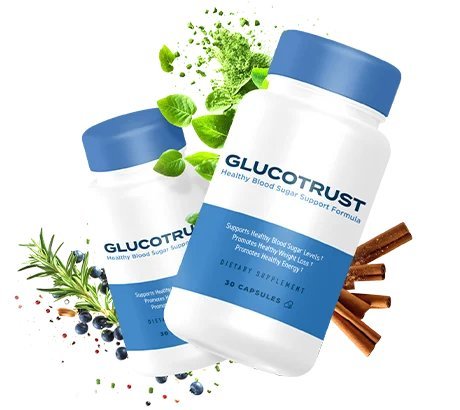
GlucoTrust is a dietary supplement designed to support healthy blood sugar levels and improve sleep quality using a blend of natural ingredients. Aimed at individuals looking for a holistic way to manage their metabolic health alongside diet and exercise, it focuses on the connection between restorative rest and hormonal balance. While not a replacement for medical treatment, it offers a lifestyle-oriented approach to wellness.
Scientific Analysis of Cinnamon
The Biological Mechanisms of Cinnamon
Cinnamon’s therapeutic value is derived from its high concentration of bioactive compounds, most notably cinnamaldehyde, cinnamic acid, and various polyphenols. The primary mechanism of action that interests researchers is cinnamon’s ability to improve insulin sensitivity. It achieves this by enhancing the activity of insulin receptors and increasing the expression of glucose transporter proteins, such as GLUT4. This allows cells to more efficiently uptake glucose from the bloodstream, effectively mimicking the action of insulin.
Inhibition of Digestive Enzymes
Beyond its cellular effects, cinnamon also works within the digestive tract. Research indicates that it can inhibit several digestive enzymes, including alpha-glucosidase and pancreatic amylase. By slowing the breakdown of carbohydrates in the small intestine, cinnamon prevents the rapid spikes in blood sugar that typically occur after high-carb meals, leading to a more stable glycemic profile throughout the day.
Proven Health Benefits
Management of Type 2 Diabetes and Insulin Resistance
The most well-documented benefit of cinnamon is its impact on glycemic control. Numerous clinical trials have demonstrated that daily supplementation can significantly reduce fasting blood glucose levels in individuals with type 2 diabetes. A landmark study published in Diabetes Care showed that even small doses of cinnamon (1 to 6 grams per day) reduced serum glucose, triglyceride, and LDL cholesterol levels. These findings suggest that cinnamon can be a powerful adjunct therapy for managing metabolic disorders.
Potent Antioxidant and Anti-inflammatory Effects
Cinnamon is loaded with powerful antioxidants, such as polyphenols. In a study comparing the antioxidant activity of 26 different spices, cinnamon emerged as the clear winner, even outranking "superfoods" like garlic and oregano. These antioxidants help protect the body from oxidative damage caused by free radicals. Furthermore, the anti-inflammatory properties of cinnamon help reduce systemic inflammation, which is a root cause of many chronic diseases, including heart disease and certain cancers.
Cardiovascular Health and Lipid Profile Improvement
Cinnamon contributes to heart health by addressing several risk factors simultaneously. It has been shown to reduce levels of total cholesterol, "bad" LDL cholesterol, and triglycerides, while maintaining or even increasing "good" HDL cholesterol. Additionally, some animal studies suggest that cinnamon may help lower blood pressure by relaxing the blood vessels, further reducing the strain on the cardiovascular system.
Scientific Research and Neuroprotection
Emerging research is exploring cinnamon's potential in protecting the brain. Two compounds found in cinnamon—cinnamaldehyde and epicatechin—appear to inhibit the buildup of a protein called tau in the brain, which is one of the hallmarks of Alzheimer's disease. While more human trials are needed, these early findings suggest that cinnamon may play a role in preventing neurodegenerative decline. Additionally, its antimicrobial properties have been studied for their ability to fight bacterial and fungal infections, particularly those involving the respiratory tract and oral cavity.
Potential Side Effects and Safety Considerations
While cinnamon is generally safe for most people when consumed in culinary amounts, high-dose supplementation requires caution, particularly with the Cassia variety. Cassia cinnamon contains a compound called coumarin, which can be toxic to the liver in high doses. For individuals planning long-term supplementation, Ceylon cinnamon is the preferred choice because it contains significantly lower levels of coumarin. Individuals on blood-thinning medication or diabetes medication should consult with a healthcare provider, as cinnamon may enhance the effects of these drugs, leading to hypoglycemia or increased bleeding risk.
- Choose Ceylon cinnamon for long-term daily use to avoid coumarin toxicity.
- Start with lower doses (500mg to 1000mg) to assess tolerance.
- Monitor blood sugar closely if you are already taking insulin or metformin.
Frequently Asked Questions
Most clinical studies utilize dosages ranging from 1 gram to 6 grams of ground cinnamon per day, which is roughly 1/2 to 2 teaspoons. For concentrated extracts, a dosage of 250mg to 500mg twice daily is common.
Yes. Cassia cinnamon is the common variety and contains high levels of coumarin, which can be harmful to the liver in large doses. Ceylon cinnamon, or 'true' cinnamon, has much lower coumarin levels and is safer for regular, high-dose supplementation.
It is generally recommended to take cinnamon supplements with or just before a carbohydrate-rich meal. This allows the active compounds to help manage the post-meal glucose spike more effectively.
Cinnamon may interact with diabetes medications (increasing the risk of low blood sugar) and blood thinners like warfarin. It may also interact with medications that affect liver health due to the coumarin content in Cassia varieties.
⚖️ Conclusion
Cinnamon has transitioned from a precious ancient commodity to one of the most thoroughly researched herbal supplements in modern nutritional science. The preponderance of clinical evidence suggests that cinnamon, particularly in the form of Cinnamomum cassia or the more refined Cinnamomum verum, offers significant benefits for individuals struggling with glycemic control and metabolic syndrome. By mimicking insulin and enhancing the activity of glucose transporter proteins, cinnamon provides a non-pharmacological pathway to support healthy blood sugar levels. However, consumers must remain vigilant regarding the type of cinnamon they ingest. While Cassia is more common and effective in short-term studies, its high coumarin content poses potential risks for liver health if consumed in large quantities over long periods. Ceylon cinnamon, though often more expensive, provides a safer alternative for chronic supplementation. Ultimately, cinnamon is a highly recommended addition to a balanced health regimen, provided it is used as a complement to, rather than a replacement for, conventional medical treatments. Its potent antioxidant profile and cardiovascular benefits make it a versatile tool for promoting overall longevity and metabolic resilience in the modern age.