
Home » Common Issues » Insulin Resistance
The Comprehensive Guide to Understanding and Managing Insulin Resistance
Discover the causes of insulin resistance, recognize early symptoms, and learn evidence-based lifestyle strategies to improve your metabolic health today.
Understanding Insulin Resistance
The Silent Crisis of Metabolic Health
Insulin resistance has emerged as one of the most significant yet misunderstood health challenges of the 21st century. Often referred to as a precursor to metabolic syndrome and type 2 diabetes, it is a condition that currently affects millions of individuals globally, many of whom remain undiagnosed for years. At its most fundamental level, insulin resistance is a state of decreased biological response to insulin, the hormone responsible for regulating blood sugar levels. When your cells—primarily those in your muscles, fat, and liver—stop responding effectively to insulin, your body struggles to move glucose from the bloodstream into the cells for energy. To compensate, the pancreas works overtime, pumping out more insulin to force the blood sugar levels down. This creates a cycle of hyperinsulinemia (excess insulin in the blood), which can eventually lead to cellular exhaustion and chronic disease.
The Biological Mechanics: Why Cells Stop Responding
To understand insulin resistance, one must visualize the relationship between insulin and your cells as a lock-and-key mechanism. In a healthy metabolism, insulin acts as the key that opens the 'door' of the cell, allowing glucose to enter. In a state of resistance, the lock becomes jammed. This cellular 'jamming' is often driven by a combination of genetics and lifestyle factors. One of the primary drivers is visceral adiposity, or the accumulation of fat around the internal organs. This specific type of fat is metabolically active, secreting inflammatory cytokines that interfere with insulin signaling pathways. Additionally, chronic overconsumption of highly processed carbohydrates and refined sugars leads to frequent spikes in blood glucose, forcing the pancreas to maintain high levels of insulin production. Over time, the cells become desensitized to this constant presence, requiring even higher doses of the hormone to achieve the same metabolic effect.
Identifying the Subtle Symptoms and Warning Signs
One of the most dangerous aspects of insulin resistance is its 'silent' nature. In the early stages, blood glucose levels may appear normal on a standard fasting glucose test because the pancreas is still successfully compensating by overproducing insulin. However, the body often provides subtle clues that metabolic health is declining. Many individuals experience persistent fatigue, particularly after meals, as the cells are literally starved for the energy that is trapped in the bloodstream. Other common signs include intense cravings for sweets or salty foods, frequent hunger even after eating, and difficulty losing weight, especially around the midsection. A physical manifestation known as acanthosis nigricans—dark, velvety patches of skin typically found on the neck, armpits, or groin—is a hallmark sign of severe insulin resistance. Furthermore, in women, insulin resistance is a core feature of Polycystic Ovary Syndrome (PCOS), manifesting as irregular cycles and hormonal imbalances.
The Role of Chronic Inflammation and Oxidative Stress
Modern research has highlighted that insulin resistance is not just a sugar problem; it is an inflammatory problem. When the body is in a state of chronic caloric surplus, the adipose tissue becomes stressed. This stress triggers an immune response, recruiting macrophages that release inflammatory markers like TNF-alpha and IL-6. These markers directly inhibit the insulin receptor substrate (IRS-1), effectively cutting the communication line between the insulin hormone and the cell's internal machinery. Furthermore, oxidative stress—an imbalance between free radicals and antioxidants in the body—damages the mitochondria, the powerhouses of our cells. When mitochondria are damaged, they cannot efficiently burn glucose or fats for fuel, further exacerbating the buildup of metabolic byproducts that worsen insulin sensitivity. This creates a vicious feedback loop where inflammation breeds resistance, and resistance breeds further inflammation.
Evidence-Based Strategies for Reversing Resistance
The good news is that insulin resistance is often highly responsive to lifestyle interventions. The primary goal of any management plan is to restore metabolic flexibility, which is the body's ability to switch efficiently between burning carbohydrates and burning fat. Dietary changes are the most potent tool in this regard. Prioritizing a diet rich in fiber, healthy fats, and high-quality proteins helps to stabilize blood sugar levels and reduce the demand on the pancreas. Incorporating non-starchy vegetables and legumes provides essential micronutrients that support insulin signaling, such as magnesium and chromium. Physical activity is equally critical; muscle tissue is the largest consumer of glucose in the body. Resistance training, in particular, increases the density of glucose transporters (GLUT4) on the surface of muscle cells, allowing them to uptake sugar even without high levels of insulin. Even a simple 10-minute walk after meals can significantly blunt the postprandial glucose spike, protecting the system from overload.
The Importance of Sleep and Stress Management
While diet and exercise are the pillars of health, the impact of sleep and stress on insulin sensitivity cannot be overstated. Just one night of partial sleep deprivation has been shown to induce a state of temporary insulin resistance in healthy individuals. Sleep is when the body undergoes metabolic repair; without it, levels of the stress hormone cortisol remain elevated. Cortisol is a glucocorticoid, meaning its job is to increase blood sugar to provide energy for a 'fight or flight' response. When cortisol is chronically high due to work stress, poor sleep, or anxiety, it keeps blood sugar levels elevated, forcing the pancreas to secrete more insulin. Therefore, a truly comprehensive approach to reversing insulin resistance must include circadian rhythm alignment and stress-reduction techniques such as mindfulness or deep breathing exercises. By lowering the systemic stress load, you allow the body’s hormonal environment to return to a state of balance, making all other dietary and exercise efforts significantly more effective.
Top Recommended Products for Insulin Resistance
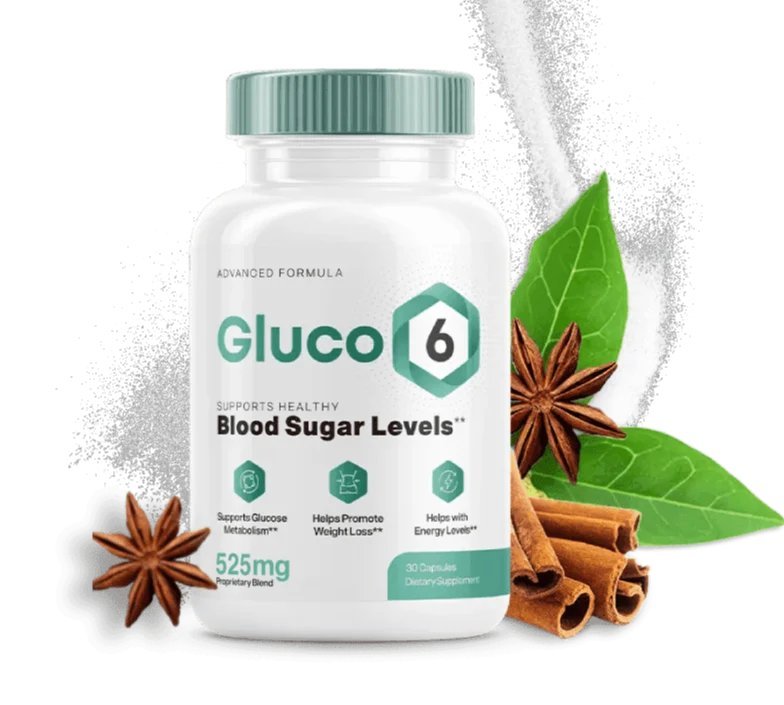
Gluco6 is a dietary supplement formulated with a blend of natural ingredients designed to support healthy blood sugar levels and metabolic function. By focusing on the health of GLUT-4 receptors, it aims to help the body process glucose more efficiently. This review examines its components, potential benefits, and what users can realistically expect from adding it to their daily wellness routine.

GlucoTrust is a dietary supplement designed to support healthy blood sugar levels and improve sleep quality using a blend of natural ingredients. Aimed at individuals looking for a holistic way to manage their metabolic health alongside diet and exercise, it focuses on the connection between restorative rest and hormonal balance. While not a replacement for medical treatment, it offers a lifestyle-oriented approach to wellness.
Frequently Asked Questions
Yes, in many cases, insulin resistance can be significantly improved or even reversed through consistent lifestyle changes. By losing excess visceral fat, adopting a low-glycemic diet, and engaging in regular strength training, individuals can restore their cellular sensitivity to insulin. However, genetic predispositions mean some people must remain more vigilant than others to maintain these gains.
While a fasting glucose test is common, the HOMA-IR (Homeostatic Model Assessment for Insulin Resistance) is often more accurate as it measures both fasting glucose and fasting insulin levels simultaneously. This helps identify if the pancreas is overworking to maintain 'normal' sugar levels. An HbA1c test is also useful for seeing average blood sugar over the past three months.
Improvements in insulin sensitivity can begin within just a few days of starting a healthy diet and exercise routine. However, significant physiological changes, such as reducing liver fat and improving cellular signaling, typically take three to six months of consistent adherence to lifestyle interventions.
While not strictly necessary for everyone, reducing refined carbohydrates and sugars is highly effective because it lowers the insulin demand on the body. Many people find success with a Mediterranean-style diet or a controlled-carbohydrate approach that focuses on whole, high-fiber foods rather than total elimination.
⚖️ Conclusion
In summary, insulin resistance is not a permanent sentence but a critical wake-up call regarding your metabolic health. It is important to remember that this condition does not develop overnight, and reversing its trajectory requires patience, consistency, and a multi-faceted approach. By prioritizing nutrient-dense whole foods, incorporating regular physical activity that builds lean muscle mass, and managing external stressors, you can significantly improve your body’s sensitivity to insulin. While genetics certainly play a role in your metabolic baseline, your daily habits hold the power to shift the needle. Ignoring the early warning signs of insulin resistance can lead to chronic complications such as type 2 diabetes, cardiovascular disease, and hormonal imbalances like PCOS. However, with the right information and a proactive mindset, you can regain control over your energy levels and long-term wellness. Always consult with a healthcare professional to monitor your progress through blood work, but do not underestimate the profound influence of your lifestyle choices. The journey to metabolic flexibility is a marathon, not a sprint, but the rewards of vitality and disease prevention are well worth the effort.
Related Issues
Explore other topics related to Insulin Resistance.