
Home » Ingredients » Choline
Choline: The Essential Nutrient for Brain Power and Liver Health
Choline is a vital nutrient required for brain development, nerve function, and healthy metabolism. Although the body produces small amounts, dietary intake is essential to support the structural integrity of cell membranes and the production of key neurotransmitters.
Benefits of Choline
What is Choline?
Choline is an organic, water-soluble compound that is often categorized with the B-vitamin complex due to its similar metabolic functions. Despite its importance, it was only officially recognized as an essential nutrient by the Institute of Medicine in 1998. The human body can synthesize a small amount of choline in the liver, primarily as phosphatidylcholine, but this internal production is insufficient to meet the body's total physiological demands. Therefore, it must be obtained through diet or supplementation to avoid deficiency.
The History and Origin of Choline
The discovery of choline dates back to 1862, when German chemist Andreas Strecker first isolated it from pig bile. For decades, it was viewed primarily as a component of lecithin. However, during the mid-20th century, nutritional science began to uncover its critical role in preventing fatty liver disease and supporting the nervous system. As research progressed, scientists identified choline as a precursor to acetylcholine, a discovery that fundamentally changed our understanding of cognitive health and muscle control. Today, choline is regarded as a foundational building block for human health, particularly during pregnancy and early childhood development.
Top Rated Supplements with Choline
Discover top-rated products that utilize clinical doses of Choline as a core ingredient.
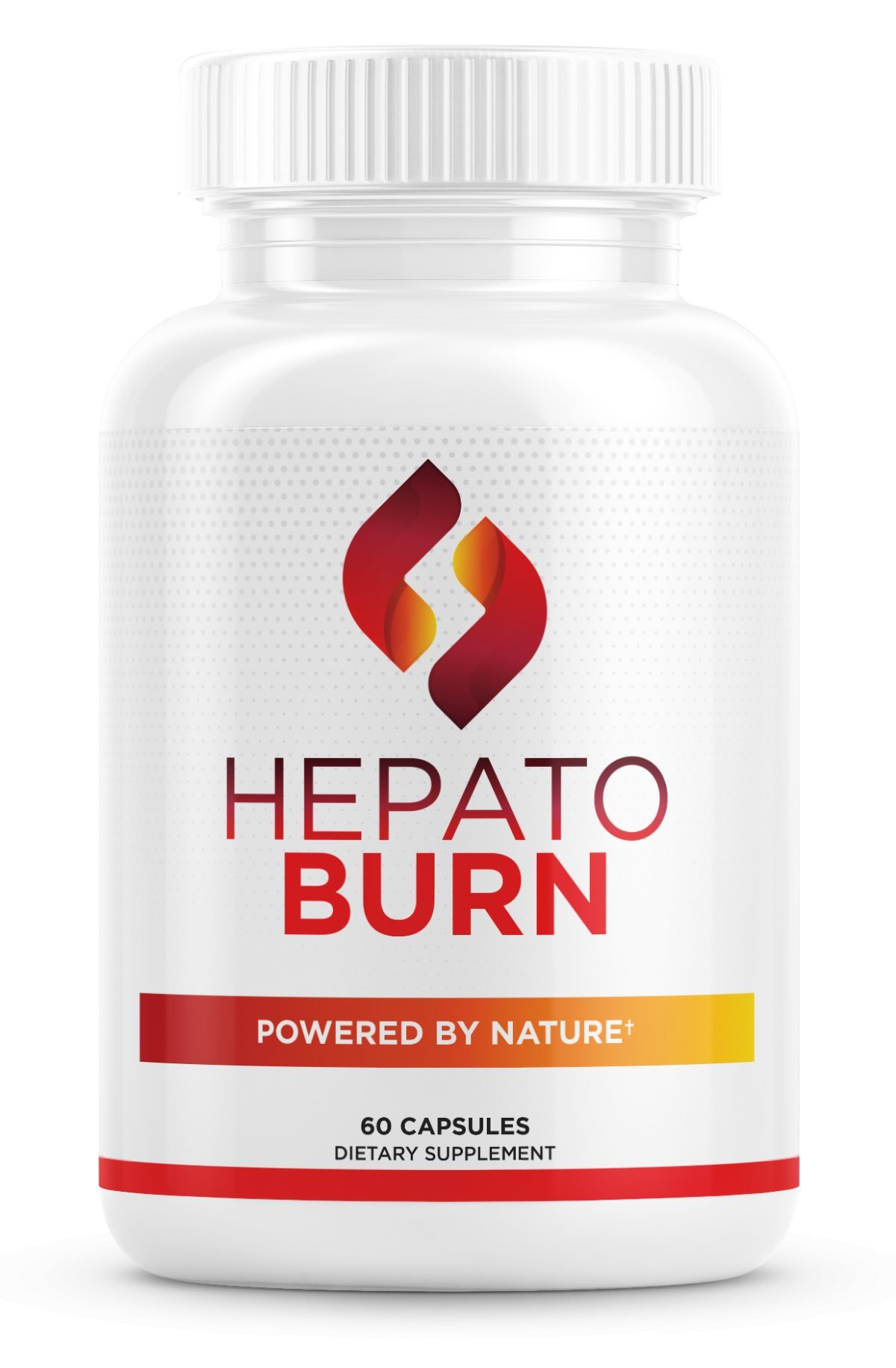
HepatoBurn is a natural dietary supplement designed to support liver health and optimize metabolic function. By focusing on the liver's role in fat processing and detoxification, it aims to help individuals who feel their progress has stalled due to a sluggish metabolism. It is formulated with plant-based ingredients and offers a balanced approach to wellness without the use of harsh stimulants.
Scientific Analysis of Choline
The Mechanism of Action: How Choline Works
Choline functions through several complex biochemical pathways that impact nearly every system in the body. Its primary role is as a precursor for three essential compounds: acetylcholine, phospholipids, and betaine. Acetylcholine is a major neurotransmitter responsible for memory, mood, and muscle control. Without sufficient choline, the brain cannot effectively communicate with the rest of the body, leading to cognitive fatigue and poor motor coordination.
Beyond neurotransmission, choline is a key component of the Kennedy pathway, which produces phosphatidylcholine and sphingomyelin. These are structural phospholipids that make up the double layer of cell membranes. This ensures that cells maintain their integrity, allow for proper signaling, and can effectively transport nutrients in and waste products out. Furthermore, choline can be oxidized into betaine, a methyl donor that plays a critical role in the methylation cycle. This cycle is essential for DNA synthesis, gene expression, and the conversion of homocysteine into methionine, which protects cardiovascular health.
Cognitive Enhancement and Brain Health
One of the most researched benefits of choline is its impact on cognitive function. Because it is the direct precursor to acetylcholine, higher choline intake is consistently linked to improved memory and faster processing speeds. Research indicates that choline supplementation may help mitigate age-related cognitive decline. Clinical trials have shown that individuals with higher dietary choline intake perform better on memory tests and are less likely to show brain changes associated with dementia. Specifically, forms like Alpha-GPC and CDP-Choline (Citicoline) are highly valued in the nootropic community because they can cross the blood-brain barrier more effectively than standard choline bitartrate, providing a more immediate boost to mental clarity and focus.
Liver Health and Lipid Metabolism
Choline is perhaps most famous for its role in liver function. It is required to produce very-low-density lipoproteins (VLDL), which are responsible for transporting fats (triglycerides) out of the liver. When choline levels are low, fats accumulate in the liver tissue, leading to Non-Alcoholic Fatty Liver Disease (NAFLD). Scientific studies have demonstrated that even a few weeks of a choline-deficient diet can lead to measurable liver damage in healthy adults. Conversely, replenishing choline levels helps clear fat from the liver and restores normal metabolic function. This makes it a crucial nutrient for metabolic health and weight management.
The Role of Choline in Pregnancy and Development
The demand for choline spikes during pregnancy because it is vital for the development of the fetal brain and spinal cord. Much like folate, choline helps prevent neural tube defects. Research suggests that high maternal choline intake can have long-lasting effects on the child’s cognitive function, potentially improving attention spans and memory later in life. Furthermore, choline supports placental function and the transport of nutrients to the fetus, making it a staple in modern prenatal vitamins.
Cardiovascular Health and Athletic Performance
Choline contributes to heart health by regulating homocysteine levels. Elevated homocysteine is a known risk factor for heart disease and stroke; by providing methyl groups, choline helps convert this amino acid into safer compounds. Additionally, athletes often supplement with choline to improve endurance. During prolonged physical activity, circulating choline levels can drop, leading to a decrease in acetylcholine and subsequent muscle fatigue. By maintaining these levels, athletes may experience better focus and more consistent muscle firing during high-intensity training.
Scientific Research and Clinical Evidence
A landmark study published in the American Journal of Clinical Nutrition followed over 2,000 participants and found a strong correlation between high choline intake and better cognitive performance across multiple domains, including verbal and visual memory. Another significant body of research focuses on the 'Choline-Deficiency' model, which has proven that humans have a biological requirement for the nutrient to prevent muscle damage and fatty liver. Recent clinical trials are also investigating the role of choline in treating ADHD and bipolar disorder, though more research is needed to confirm these therapeutic applications.
Potential Side Effects and Safety Precautions
Choline is generally considered safe when taken within the recommended Adequate Intake (AI) levels. For most adults, the Tolerable Upper Intake Level (UL) is 3,500 mg per day. Exceeding this limit can lead to side effects such as a fishy body odor (caused by the breakdown of choline into trimethylamine), excessive sweating, salivation, and low blood pressure. Some users may experience mild gastrointestinal distress, including nausea or diarrhea, when starting a supplement. It is always recommended to start with a lower dose to assess tolerance, especially when using high-potency forms like Alpha-GPC.
Frequently Asked Questions
The Adequate Intake (AI) for adults is 550 mg per day for men and 425 mg per day for women. However, pregnant and breastfeeding women require higher amounts, typically between 450 mg and 550 mg daily.
Yes, it is possible to get enough choline from diet, but many people fall short. The best food sources include whole eggs (specifically the yolk), beef liver, chicken breast, fish, and cruciferous vegetables like broccoli and cauliflower.
Choline can be taken at any time of day, but many users prefer taking it in the morning to benefit from its cognitive-enhancing effects. It is best taken with a meal to improve absorption and reduce the risk of stomach upset.
Yes. Choline bitartrate is the most common and affordable form. Alpha-GPC and CDP-Choline are more expensive but are highly bioavailable and better at crossing the blood-brain barrier for cognitive benefits.
⚖️ Conclusion
Choline is an indispensable nutrient that serves as a cornerstone for both neurological and metabolic health. Scientific consensus highlights its critical role in the synthesis of acetylcholine for cognitive function and its necessity in preventing fat accumulation within the liver. While the human body can produce small amounts of choline, the vast majority of the population fails to meet the recommended daily intake through diet alone, particularly those following plant-based diets or individuals with specific genetic polymorphisms. Supplementation offers a reliable strategy to bridge this nutritional gap, with high-bioavailability forms like Alpha-GPC providing significant nootropic advantages. Extensive research confirms that maintaining adequate choline levels supports long-term brain health, enhances fetal development, and ensures efficient lipid metabolism. Given its high safety profile and the profound risks associated with deficiency, choline is a highly recommended supplement for individuals looking to optimize their mental clarity and liver function. For the best results, users should aim for consistent daily intake while staying below the upper limit of 3,500 mg to avoid minor side effects.