
Home » Common Issues » Back Pain
Understanding Back Pain: A Comprehensive Guide to Lasting Relief and Spinal Health
Discover the primary causes of back pain, effective home remedies, medical treatments, and expert-backed strategies to improve spinal health and mobility.
Understanding Back Pain
The Global Impact of Back Pain
Back pain is more than just a physical ailment; it is a pervasive health crisis that affects millions of individuals across the United States and globally. As a leading cause of disability, it accounts for a staggering number of doctor visits and lost workdays annually. Whether it manifests as a dull, persistent ache or a sharp, sudden sensation, back pain can significantly diminish one's quality of life, hindering everything from professional productivity to the simple joy of playing with grandchildren. To truly address this issue, we must look beyond the immediate discomfort and understand the complex interplay of anatomy, lifestyle, and physiological triggers that contribute to spinal distress.
The Complex Anatomy of the Human Spine
The human spine is a marvel of biological engineering, designed to provide both structural support and incredible flexibility. It is composed of 33 individual vertebrae stacked atop one another, cushioned by intervertebral discs that act as shock absorbers. This structure is reinforced by a dense network of ligaments, tendons, and muscles that facilitate movement and protect the delicate spinal cord. Understanding this anatomy is crucial because pain can originate from any of these components. A strain in the paraspinal muscles, a tear in a ligament, or the degeneration of a disc can all result in debilitating pain. When one part of this intricate system is compromised, it often leads to a chain reaction of compensation, where other muscles overwork to stabilize the area, eventually leading to secondary pain sites.
Identifying Common Causes: From Muscle Strain to Disc Issues
Back pain is generally categorized into two types: acute and chronic. Acute pain is short-term, often resulting from a specific injury like lifting a heavy box incorrectly or a sudden fall. In these cases, the soft tissues—muscles and ligaments—are typically the culprits. On the other hand, chronic pain persists for twelve weeks or longer, even after an initial injury has been treated. Common underlying causes include:
1. Lumbar Strain: This involves microscopic tears in the muscle fibers or ligaments, often caused by overuse or improper lifting techniques.
2. Herniated or Bulging Discs: When the soft jelly-like center of a spinal disc pushes through a tear in the tougher exterior, it can irritate nearby nerves, causing radiating pain known as sciatica.
3. Osteoarthritis: This degenerative condition affects the small facet joints in the spine, leading to inflammation and stiffness.
4. Skeletal Irregularities: Conditions such as scoliosis, where the spine curves to the side, can lead to chronic discomfort as the body struggles to maintain balance.
When to Seek Professional Medical Advice
While many instances of back pain resolve with rest and conservative care, it is vital to recognize the 'red flags' that necessitate immediate medical intervention. If your back pain is accompanied by unexplained weight loss, fever, or a history of cancer, you should consult a specialist immediately. Furthermore, neurological symptoms such as numbness in the extremities, weakness in the legs, or loss of bladder and bowel control indicate potential nerve compression that requires urgent diagnostic imaging like an MRI or CT scan. Early intervention is often the key to preventing permanent nerve damage and ensuring a smoother recovery process.
The Role of Lifestyle and Ergonomics
In our modern, sedentary world, 'postural stress' has become a primary driver of back issues. Many of us spend eight to ten hours a day hunched over computers or looking down at smartphones, a phenomenon often referred to as 'tech neck' or 'slumped posture.' This puts immense pressure on the lumbar spine and weakens the core muscles that are supposed to support it. Ergonomic intervention is essential. Ensuring your chair provides adequate lumbar support, keeping your monitor at eye level, and maintaining your feet flat on the floor can dramatically reduce the mechanical load on your spine. Additionally, movement is medicine. Incorporating dynamic stretching and frequent 'movement snacks' throughout the workday helps keep the spinal tissues hydrated and flexible.
Modern Treatment Modalities and Holistic Approaches
The landscape of back pain management has shifted away from prolonged bed rest toward active recovery. Physical therapy remains the gold standard, focusing on strengthening the 'inner corset'—the deep abdominal and back muscles that stabilize the spine. Beyond traditional exercise, many patients find relief through integrative therapies such as acupuncture, chiropractic adjustments, and massage therapy, which can help modulate the nervous system's perception of pain. For those with inflammatory conditions, a diet rich in Omega-3 fatty acids and antioxidants may help reduce systemic inflammation. In more severe cases, medical professionals may recommend epidural steroid injections or, as a last resort, surgical interventions like spinal fusion or laminectomy. However, the goal is always to utilize the least invasive method possible to restore function and comfort.
Top Recommended Products for Back Pain
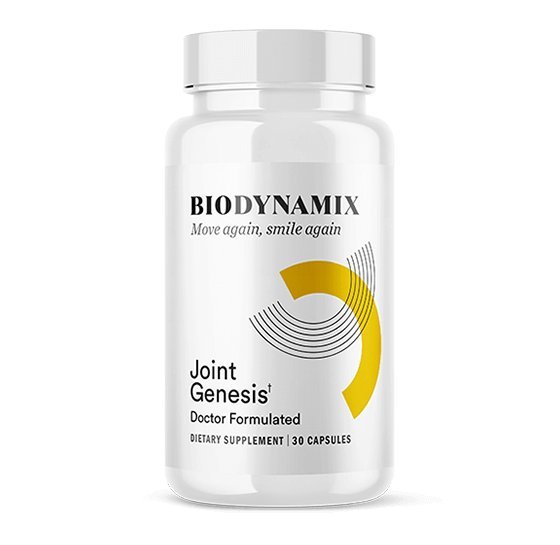
Joint Genesis is a dietary supplement designed by BioDynamix to support joint health by focusing on the quality of synovial fluid, often referred to as 'joint jelly.' Unlike many traditional supplements that focus solely on cartilage, this formula aims to maintain the thickness and lubricating properties of the fluid that cushions your joints. It is primarily formulated for older adults or those experiencing the common stiffness associated with aging and daily physical activity.
Frequently Asked Questions
For acute pain, the 'RICE' method (Rest, Ice, Compression, Elevation) is often replaced by 'MEAT' (Movement, Exercise, Analgesics, Treatment). Short-term use of NSAIDs like ibuprofen, combined with gentle stretching and alternating heat and ice packs, can provide quick relief. Avoid bed rest for more than 48 hours, as movement helps prevent stiffness.
Generally, ice is best for the first 48 to 72 hours after an injury to reduce inflammation and numb the area. After the initial swelling subsides, heat is more effective for relaxing tight muscles and improving blood flow to the area to promote healing.
Yes, psychological stress triggers the body's 'fight or flight' response, causing muscles to tighten and blood vessels to constrict. Over time, this chronic tension—particularly in the neck, shoulders, and lower back—can lead to physical pain and exacerbate existing spinal issues.
Maintain a 'neutral' spine by using a chair with lumbar support, keeping your knees at a 90-degree angle, and ensuring your screen is at eye level. Most importantly, stand up and stretch every 30 minutes to reset your posture and encourage circulation.
⚖️ Conclusion
Navigating the complexities of back pain requires a multifaceted approach that prioritizes both immediate relief and long-term structural integrity. As we have explored throughout this guide, back pain is rarely the result of a single isolated event but rather a culmination of lifestyle habits, physical stressors, and physiological factors. The most critical takeaway is that movement is often the best medicine; while the instinct to rest is natural, prolonged inactivity can actually exacerbate stiffness and weaken the supporting musculature of the spine. By integrating targeted core strengthening exercises, maintaining a healthy weight, and being mindful of ergonomic setups in your daily environment, you can significantly reduce the frequency and intensity of flare-ups. However, it is equally important to listen to your body’s signals. Persistent pain that radiates down the legs, causes numbness, or fails to improve with conservative care warrants professional medical evaluation to rule out underlying structural issues like herniated discs or spinal stenosis. Ultimately, achieving a pain-free life is a journey of consistency. It involves making small, sustainable changes—such as taking frequent walking breaks and practicing proper lifting techniques—that protect your spine over the long haul. Do not settle for living in discomfort; instead, empower yourself with the knowledge and tools necessary to reclaim your mobility. Whether through physical therapy, professional medical intervention, or dedicated self-care, a proactive stance on spinal health is your greatest asset. By staying informed and active, you are not just managing symptoms—you are investing in a future of functional movement and enhanced quality of life.
Related Issues
Explore other topics related to Back Pain.