
Home » Ingredients » Amla Extract
Amla Extract: The Vitamin C Powerhouse for Longevity and Vitality
Amla extract, derived from the Indian Gooseberry, is a potent natural supplement renowned for its exceptionally high vitamin C content and antioxidant properties. It supports immune function, cardiovascular health, and cellular protection through its unique profile of tannins and polyphenols.
Benefits of Amla Extract
What is Amla Extract?
Amla extract is derived from the fruit of the Phyllanthus emblica tree, more commonly known as the Indian Gooseberry. This small, greenish-yellow fruit is a nutritional powerhouse that has been revered for thousands of years in the Indian subcontinent. It is characterized by its sour, bitter, and astringent taste, which belies its incredible concentration of bioactive compounds. In the world of dietary supplements, Amla is processed into a concentrated extract to standardize its potent antioxidants, particularly its unique tannins and vitamin C content.
A Rich History in Ayurveda
Historically, Amla holds a position of prestige in Ayurvedic medicine, where it is classified as a 'Rasayana'—a substance that promotes longevity, rejuvenates the body, and balances the three doshas (Vata, Pitta, and Kapha). It is the primary ingredient in Chyawanprash, a traditional herbal jam used to boost immunity and vitality. Ancient texts describe Amla as 'Amritphal' or the 'fruit of immortality,' suggesting its deep-rooted importance in traditional healing systems for everything from digestive issues to respiratory health and skin rejuvenation.
Origin and Cultivation
The Amla tree is native to the tropical and subtropical regions of Southeast Asia, particularly India, where it grows in the wild and is also extensively cultivated. The tree is considered sacred in Hindu culture, often worshipped during the festival of Amalaka Ekadashi. Modern cultivation techniques focus on harvesting the fruit at its peak ripeness to ensure maximum nutrient density. The extraction process typically involves drying the fruit and using water or ethanol-based extraction to isolate the polyphenols, ensuring that the final supplement provides a consistent therapeutic dose far exceeding what one might consume from the fresh fruit alone.
Top Rated Supplements with Amla Extract
Discover top-rated products that utilize clinical doses of Amla Extract as a core ingredient.
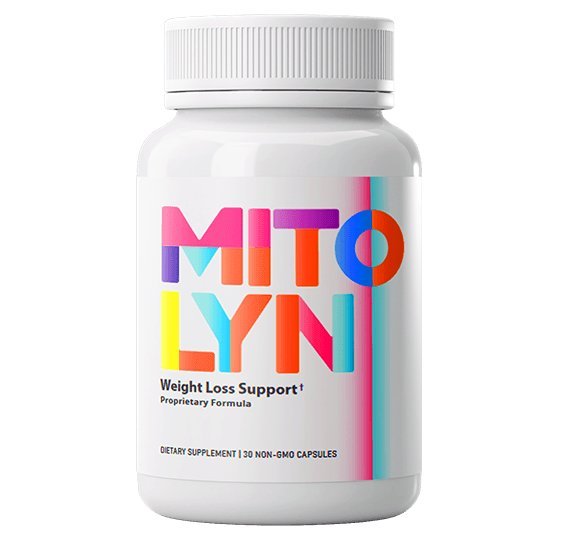
Mitolyn is revolutionizing the wellness space, offering unparalleled support for mitochondrial health. Search mitolyn reviews to see real-world results and understand why this supplement is becoming a cornerstone of advanced nutritional regimens. Experience the difference in your energy levels and vitality with Mitolyn.
Scientific Analysis of Amla Extract
The Phytochemical Profile of Amla Extract
The efficacy of Amla extract is attributed to its complex chemical composition. While many people associate Amla primarily with Vitamin C (Ascorbic Acid), research has shown that its health benefits are actually driven by a synergistic blend of polyphenols. These include hydrolyzable tannins like emblicanin A and B, punigluconin, and pedunculagin. These tannins are unique because they possess a multilevel antioxidant cascade; as they neutralize free radicals, they break down into further antioxidant compounds rather than becoming pro-oxidants. Additionally, Amla contains gallic acid, ellagic acid, and various flavonoids like quercetin and rutin, which contribute to its systemic anti-inflammatory effects.
Mechanism of Action: How Amla Works
Amla extract operates through several biological pathways. Its primary mechanism is the neutralization of reactive oxygen species (ROS). By donating electrons to unstable molecules, Amla protects DNA, proteins, and lipids from oxidative damage. Furthermore, Amla has been shown to modulate the activity of key enzymes. For instance, it inhibits the HMG-CoA reductase enzyme, which is the same pathway targeted by statin medications to lower cholesterol. In terms of metabolic health, Amla inhibits alpha-glucosidase and alpha-amylase, which slows the breakdown of carbohydrates into glucose, thereby preventing rapid spikes in blood sugar levels. It also enhances the production of nitric oxide in the vascular endothelium, promoting vasodilation and improved blood flow.
Proven Health Benefits and Scientific Research
1. Cardiovascular Health and Lipid Management
One of the most well-documented benefits of Amla extract is its impact on heart health. Multiple clinical trials have demonstrated that Amla can significantly improve lipid profiles. In a landmark study, participants taking 500mg of standardized Amla extract twice daily showed a marked reduction in LDL (bad) cholesterol, VLDL, and triglycerides, while simultaneously increasing HDL (good) cholesterol. The research suggests that Amla's efficacy in managing dyslipidemia is comparable to some low-dose pharmaceutical interventions, but with a much lower risk of side effects. It also helps reduce C-reactive protein (CRP) levels, a key marker of systemic inflammation and heart disease risk.
2. Blood Sugar Regulation and Diabetes Support
Amla is highly effective for individuals managing type 2 diabetes or metabolic syndrome. Scientific research indicates that the polyphenols in Amla protect the beta cells of the pancreas from oxidative stress, ensuring efficient insulin production. Clinical studies have shown that daily supplementation can lead to a significant reduction in fasting blood glucose and postprandial glucose levels. Furthermore, Amla helps prevent the glycation of proteins, a process that leads to long-term diabetic complications like neuropathy and retinopathy.
3. Immune System Enhancement
Due to its high concentration of Vitamin C and tannins, Amla is a potent immunomodulator. It enhances the activity of natural killer (NK) cells and macrophages, which are the body's first line of defense against pathogens. Unlike synthetic Vitamin C, the natural Vitamin C in Amla is bound to tannins, which makes it more heat-stable and bioavailable, allowing it to remain in the bloodstream for longer periods to support immune surveillance.
4. Anti-Aging and Dermatological Benefits
Amla extract is a favorite in the nutricosmetic industry. It stimulates the production of pro-collagen, the precursor to collagen, which helps maintain skin elasticity and reduce the appearance of wrinkles. Its ability to inhibit the enzyme collagenase—which breaks down collagen—makes it a powerful internal anti-aging agent. Additionally, Amla's antioxidant properties protect the skin from UV-induced damage and hyperpigmentation.
Scientific Research Highlights
A 2019 randomized, double-blind, placebo-controlled study published in the journal BMC Complementary and Alternative Medicine evaluated the effects of Amla on 98 patients with dyslipidemia. The results showed that those taking the Amla extract experienced a significant decrease in the Atherogenic Index of Plasma (AIP), indicating a substantial reduction in the risk of future cardiovascular events. Another study focused on its hepatoprotective effects, finding that Amla can help mitigate liver damage caused by toxins and high-fat diets by restoring antioxidant enzyme levels like superoxide dismutase (SOD) and catalase.
Potential Side Effects and Safety
Amla extract is generally considered safe for most people when taken in recommended dosages. However, because of its potent biological activity, certain precautions should be taken:
- Blood Thinning: Amla may have a mild anti-platelet effect. Individuals on blood-thinning medications like warfarin or aspirin should consult a doctor before use.
- Hypoglycemia: Since Amla lowers blood sugar, those on insulin or diabetes medication should monitor their levels closely to avoid hypoglycemia.
- Digestive Sensitivity: In high doses, the acidic nature and high fiber content of Amla can cause mild stomach upset or diarrhea in sensitive individuals.
- Pregnancy and Breastfeeding: There is insufficient clinical data regarding Amla supplementation during pregnancy, so it is best to avoid it or use it only under medical supervision.
Standardized Dosage Recommendations
For general health and antioxidant support, a dosage of 500mg once per day is common. For therapeutic goals related to cholesterol or blood sugar management, clinical studies often utilize 500mg to 1,000mg twice daily, standardized to contain at least 30-40% tannins.
Frequently Asked Questions
Amla extract is best taken on an empty stomach in the morning for maximum absorption of its water-soluble nutrients. However, if you have a sensitive stomach, taking it with a meal is also effective and can help reduce any potential digestive discomfort.
Yes, Amla is traditionally used to promote hair health. It works by inhibiting the 5-alpha reductase enzyme (which is linked to hair loss) and by improving blood circulation to the scalp, ensuring hair follicles receive more nutrients. While topical oil is common, internal supplementation supports hair from the inside out.
Many experts prefer Amla because the Vitamin C is naturally buffered by tannins and polyphenols. This synergy prevents the Vitamin C from oxidizing quickly and may enhance its bioavailability and duration of action in the body compared to isolated ascorbic acid.
While immune-boosting effects may be felt sooner, clinical studies for cholesterol and blood sugar management typically show significant results after 8 to 12 weeks of consistent daily use.
⚖️ Conclusion
Amla extract stands out as one of the most versatile and potent botanicals in the modern nutraceutical landscape. Rooted in millennia of Ayurvedic tradition and now backed by a growing body of rigorous clinical research, its profile as a metabolic and cardiovascular enhancer is impressive. The unique combination of low-molecular-weight hydrolyzable tannins and stable vitamin C provides a level of antioxidant protection that few other superfruits can match. Research consistently highlights its ability to improve lipid profiles, enhance endothelial function, and support healthy blood glucose levels, often performing comparably to certain pharmaceutical interventions in early-stage trials. For individuals seeking a natural approach to longevity, heart health, and immune resilience, Amla extract is a highly recommended addition to a daily supplement regimen. However, due to its potent effects on blood sugar and circulation, it is essential to consult with a healthcare professional, especially for those on medication. Overall, the evidence suggests that Amla is not just a traditional remedy but a scientifically validated powerhouse for cellular health and systemic vitality, making it a cornerstone for proactive wellness strategies.