
Home » Common Issues » Age-Related Hearing Loss
Understanding Age-Related Hearing Loss: A Comprehensive Guide to Presbycusis
Learn about age-related hearing loss (presbycusis). Discover early symptoms, the link to cognitive health, and the latest treatments for auditory wellness.
Understanding Age-Related Hearing Loss
The Silent Progression of Age-Related Hearing Loss
Age-related hearing loss, medically known as presbycusis, is one of the most common conditions affecting older and elderly adults. Approximately one in three people in the United States between the ages of 65 and 74 has some degree of hearing loss, and nearly half of those older than 75 have difficulty hearing. Despite its prevalence, the condition often develops so gradually that many individuals do not realize their auditory perception is diminishing until it significantly impacts their quality of life. This slow progression is why presbycusis is often called a 'silent' condition.
Understanding the nuances of age-related hearing loss is crucial because it is not just about the volume of sound; it is about the clarity of communication. Presbycusis typically involves a bilateral (both ears) loss of hearing, primarily affecting the ability to hear high-frequency sounds. This means that while a person might still hear the low rumble of a truck outside, they may struggle to distinguish the high-pitched voices of grandchildren or the sibilant sounds in speech, such as 's' or 'th.' When these frequencies vanish, conversations begin to sound muffled, leading to frequent misunderstandings and frustration for both the individual and their loved ones.
The Biological Mechanisms Behind Presbycusis
To understand why our hearing fades with time, we must look at the delicate machinery of the inner ear. The most common cause of age-related hearing loss is the gradual wear and tear on the cilia—tiny hair cells located in the cochlea. These hair cells are responsible for converting sound vibrations into electrical signals that the brain interprets as sound. Unlike skin or bone cells, these specialized hair cells do not regenerate. Once they are damaged or die due to decades of exposure to noise, metabolic changes, or reduced blood flow, the loss is permanent.
Beyond the hair cells, aging can also affect the stria vascularis, a highly vascularized tissue in the inner ear that maintains the chemical balance of the endolymph fluid. Changes in this tissue can disrupt the electrical potential required for the hair cells to function correctly. Furthermore, the auditory nerve itself can experience age-related degeneration, slowing the transmission of signals to the brain's auditory cortex. This complex interplay of biological degradation explains why presbycusis is a multifaceted condition that requires professional diagnosis and personalized management.
Identifying the Early Warning Signs
Because the brain is remarkably adept at compensating for sensory deficits, early signs of hearing loss are often subtle. One of the hallmark indicators is the 'cocktail party effect'—the increased difficulty of following a conversation in a noisy environment, such as a restaurant or a family gathering. You might find yourself leaning in closer to speakers or relying more heavily on lip-reading without even realizing it. Other common signs include finding that people seem to be mumbling more than they used to, or needing to turn the television volume up to a level that others find uncomfortable.
Social withdrawal is another frequent, albeit indirect, symptom. When the effort required to decode speech becomes exhausting—a phenomenon known as listening fatigue—many older adults begin to avoid social situations. This isolation can have profound effects on mental health, contributing to feelings of loneliness and depression. Recognizing these behavioral shifts is often the first step toward seeking help and preserving one's social and emotional well-tbeing.
The Critical Link Between Hearing and Cognitive Health
In recent years, medical research has highlighted a startling connection between untreated age-related hearing loss and cognitive decline, including an increased risk of dementia. The Johns Hopkins Bloomberg School of Public Health has conducted extensive studies showing that seniors with hearing loss are significantly more likely to develop Alzheimer's disease and other forms of cognitive impairment than those with normal hearing. There are several theories as to why this occurs.
First, the cognitive load theory suggests that when the brain must dedicate excessive resources to decoding garbled sounds, it has less 'processing power' available for memory and executive function. Second, the social isolation resulting from hearing loss deprives the brain of the complex stimulation it needs to remain sharp. Finally, there is evidence that hearing loss may lead to faster rates of brain atrophy in the areas responsible for processing sound and speech. This makes the treatment of presbycusis not just a matter of convenience, but a vital component of long-term neurological health.
Modern Management and Treatment Pathways
While age-related hearing loss is generally permanent, it is highly manageable thanks to revolutionary advancements in audiological technology. The modern hearing aid is no longer the bulky, whistling device of the past. Today’s instruments are sophisticated mini-computers that can be programmed to boost specific frequencies while filtering out background noise. Many are virtually invisible and offer seamless Bluetooth connectivity to smartphones and televisions.
For those with more severe hearing loss who do not benefit from traditional hearing aids, cochlear implants or bone-anchored hearing systems may be an option. Additionally, assistive listening devices, such as captioned telephones and specialized FM systems, can further enhance communication. The key to success is early intervention. The longer a person waits to address hearing loss, the more the brain 'forgets' how to process certain sounds, making the eventual adjustment to hearing aids more challenging. By working with a licensed audiologist, individuals can develop a comprehensive plan that includes technology, communication strategies, and environmental modifications to stay connected to the world around them.
Top Recommended Products for Age-Related Hearing Loss
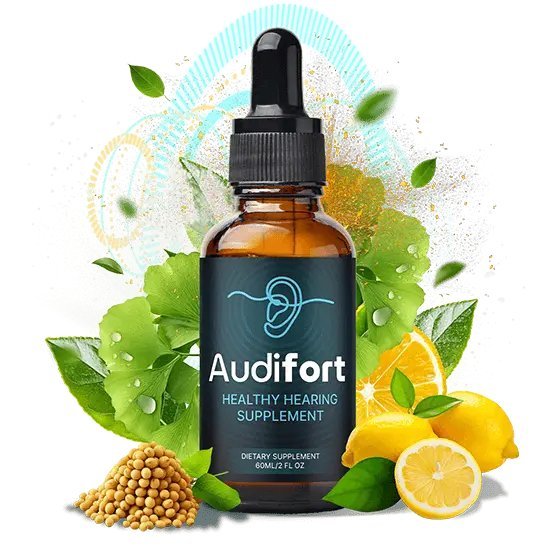
Audifort is a cutting-edge dietary supplement specifically engineered to support auditory health and provide relief from the persistent ringing of tinnitus. In this detailed look at Audifort Reviews, we explore how its unique blend of natural botanical extracts and essential minerals works synergistically to protect the delicate structures of the inner ear. Designed for those struggling with age-related hearing decline or noise-induced auditory stress, Audifort focuses on improving blood circulation to the ears and reducing oxidative damage. Whether you are looking to sharpen your hearing or quiet the internal noise, Audifort provides a science-backed pathway to better auditory clarity and long-term ear health maintenance.

ZenCortex has emerged as a leading name in the auditory health industry, promising a holistic approach to ear health and cognitive function. This liquid supplement is designed for individuals who are tired of the constant ringing, buzzing, or muffled sounds that often accompany aging or environmental exposure. In these ZenCortex Reviews, we dive deep into the science behind the formula, which combines over 20 potent plant-based ingredients. Unlike traditional pills, ZenCortex offers a highly bioavailable liquid dropper format, ensuring that the body absorbs the nutrients quickly for maximum efficacy. Whether you are looking to sharpen your mental focus or protect your delicate auditory system from oxidative stress, ZenCortex claims to provide the 360-degree support you need.
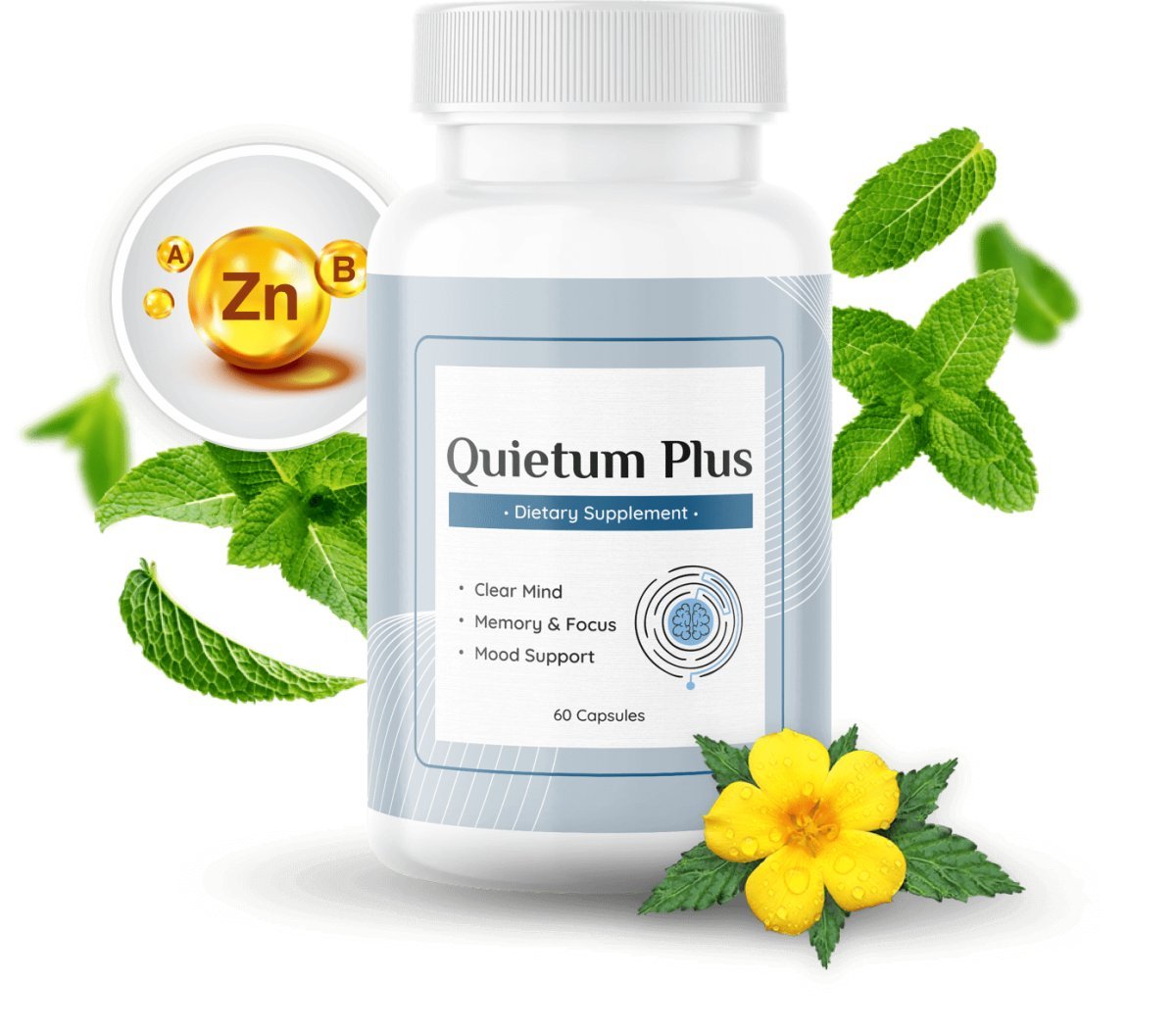
Quietum Plus is a natural dietary supplement formulated to support ear health and auditory function. By utilizing a blend of 18 plant-based ingredients, it aims to assist the body in maintaining healthy nerve function and blood circulation to the ears. Designed for those who want a non-invasive way to support their hearing wellness, it focuses on long-term nutritional support rather than instant fixes.
Frequently Asked Questions
While you cannot stop the natural aging process, you can slow the progression of hearing loss by protecting your ears from loud noises, managing cardiovascular health (which ensures good blood flow to the ears), and avoiding ototoxic medications when possible.
This is a classic sign of high-frequency hearing loss. You can hear the low-pitched vowel sounds (which provide volume), but you are missing the high-pitched consonants like 's,' 'f,' and 't' (which provide clarity and meaning).
No. In fact, wearing properly fitted hearing aids can help keep your brain's auditory processing centers active. It prevents the 'auditory deprivation' that occurs when the brain stops receiving signals, which can actually make it harder to understand speech over time.
Traditional Medicare (Part A and Part B) generally does not cover the cost of hearing aids or the exams for fitting them. However, some Medicare Advantage (Part C) plans and private insurance policies do offer hearing benefits.
⚖️ Conclusion
Navigating the complexities of age-related hearing loss requires a proactive stance toward both auditory health and overall well-being. As we have explored, presbycusis is not merely a minor inconvenience of aging; it is a significant medical condition that influences cognitive function, social engagement, and emotional stability. The key takeaway is that while the degradation of inner ear hair cells is currently irreversible, the negative impact on your quality of life is not. Modern audiological advancements, ranging from discreet high-tech hearing aids to cochlear implants, offer transformative solutions that can restore your connection to the world around you. Do not wait for the silence to become isolating before seeking professional help. Regular hearing screenings should be a non-negotiable part of your annual health checkups once you reach your fifties. By addressing hearing changes early, you protect your brain health, maintain your relationships, and ensure that your later years are vibrant and communicative. Prioritize your hearing today to safeguard your cognitive and social future, ensuring every conversation remains clear and every moment remains meaningful.
Related Issues
Explore other topics related to Age-Related Hearing Loss.