
Home » Ingredients » Chromium
Chromium: The Essential Trace Mineral for Glucose Control and Metabolic Support
Chromium is an essential trace mineral that enhances the action of insulin and is vital for the metabolism of carbohydrates, fats, and proteins. It is widely used in supplements to support healthy blood sugar levels and improve body composition.
Benefits of Chromium
What is Chromium?
Chromium is a metallic element that the human body requires in trace amounts for a variety of critical physiological functions. While it exists in several oxidation states, trivalent chromium (chromium III) is the biologically active form found in the human diet and nutritional supplements. It is classified as an "essential" mineral because the body cannot synthesize it internally, meaning it must be obtained through food sources such as whole grains, brewer's yeast, lean meats, and certain vegetables like broccoli.
The History and Discovery of Chromium
The nutritional significance of chromium was first recognized in the late 1950s when researchers Walter Mertz and Klaus Schwarz identified a substance in brewer's yeast that restored normal glucose tolerance in rats. They named this substance the "Glucose Tolerance Factor" (GTF). Over the following decades, further research isolated chromium as the central component of GTF. In the 1970s and 80s, the medical community began to recognize its role in human health, particularly for patients receiving long-term intravenous nutrition who developed severe insulin resistance that only resolved upon the addition of chromium to their nutrient mix. Today, it is one of the most studied minerals in the context of metabolic syndrome and type 2 diabetes.
Top Rated Supplements with Chromium
Discover top-rated products that utilize clinical doses of Chromium as a core ingredient.
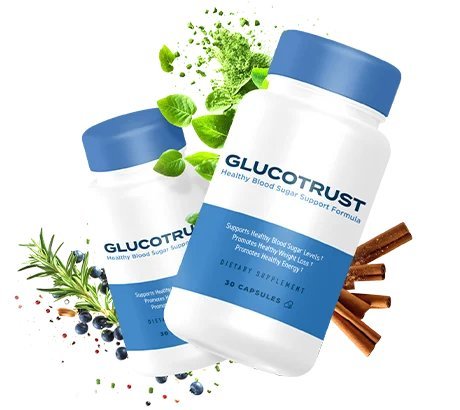
GlucoTrust is a dietary supplement designed to support healthy blood sugar levels and improve sleep quality using a blend of natural ingredients. Aimed at individuals looking for a holistic way to manage their metabolic health alongside diet and exercise, it focuses on the connection between restorative rest and hormonal balance. While not a replacement for medical treatment, it offers a lifestyle-oriented approach to wellness.

Java Burn is a unique, patent-pending dietary supplement designed to be mixed directly into your morning coffee. Formulated as a tasteless, instantly dissolvable powder, it aims to support metabolic efficiency and energy levels through a process called nutritional synergy. By combining specific natural ingredients with the existing compounds in coffee, Java Burn helps users maintain their wellness goals without requiring significant changes to their daily caffeine ritual. It is manufactured in the USA in FDA-registered and GMP-certified facilities, ensuring high quality and safety standards for the everyday consumer.
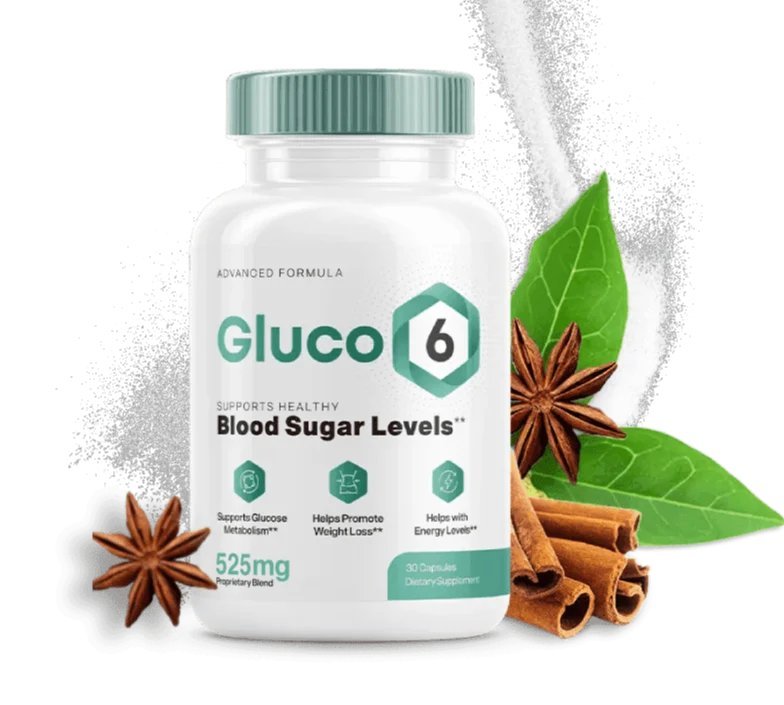
Gluco6 is a dietary supplement formulated with a blend of natural ingredients designed to support healthy blood sugar levels and metabolic function. By focusing on the health of GLUT-4 receptors, it aims to help the body process glucose more efficiently. This review examines its components, potential benefits, and what users can realistically expect from adding it to their daily wellness routine.
Scientific Analysis of Chromium
The Biological Mechanism: How Chromium Works
The primary function of chromium in the human body is to potentiate the action of insulin. Insulin is the hormone responsible for ushering glucose (sugar) from the bloodstream into the cells to be used for energy. Chromium achieves this through a low-molecular-weight binding protein called chromodulin. When insulin levels rise in response to a meal, chromium moves into the cells and binds to chromodulin. This complex then binds to the insulin receptor, significantly amplifying its activity and increasing the efficiency of glucose transport. Without sufficient chromium, the insulin receptors become less responsive, leading to a condition known as insulin resistance, which is a precursor to metabolic dysfunction and weight gain.
Different Forms of Chromium
In the supplement industry, chromium is available in several chemical forms, which differ significantly in their bioavailability and effectiveness. The most common form is Chromium Picolinate, which is chromium bound to picolinic acid. This form is highly favored because it is more easily absorbed by the digestive tract than chromium chloride or other inorganic salts. Other forms include Chromium Nicotinate (bound to niacin) and Chromium Histidinate. Research suggests that Chromium Picolinate and Histidinate may offer the best absorption rates, making them the preferred choices for clinical applications.
Proven Health Benefits
Blood Sugar Management and Insulin Sensitivity
The most well-documented benefit of chromium is its ability to lower blood glucose levels and improve insulin sensitivity. For individuals with Type 2 diabetes or pre-diabetes, chromium supplementation has been shown to reduce fasting blood glucose levels and lower HbA1c, a marker of long-term blood sugar control. By making insulin more effective, chromium helps the body maintain stable energy levels and prevents the dangerous "spikes and crashes" associated with high-sugar diets. This makes it a staple ingredient in glucose-support formulas.
Weight Management and Appetite Control
Chromium is frequently included in weight loss supplements due to its impact on satiety and cravings. Clinical trials have demonstrated that chromium supplementation can reduce food intake, hunger levels, and specifically cravings for high-carbohydrate and sugary foods. This effect is likely mediated by chromium's influence on the brain's hypothalamus, where it may modulate the signaling of neurotransmitters involved in appetite regulation. Furthermore, by improving insulin action, chromium helps the body utilize stored fat for energy more effectively while preserving lean muscle mass during caloric restriction.
Polycystic Ovary Syndrome (PCOS)
PCOS is a hormonal disorder often characterized by severe insulin resistance. Recent studies have indicated that women with PCOS can benefit significantly from chromium picolinate. Supplementation has been shown to improve glucose disposal and reduce the androgen (male hormone) levels that contribute to symptoms like acne and hirsutism. Some research even suggests that chromium may help restore regular ovulation in women whose cycles are disrupted by metabolic imbalances.
Cardiovascular Health
Beyond glucose, chromium plays a role in lipid metabolism. Some studies indicate that it can help lower "bad" LDL cholesterol and triglycerides while potentially raising "good" HDL cholesterol. By improving the overall lipid profile and reducing systemic inflammation associated with high blood sugar, chromium contributes to long-term heart health and the prevention of atherosclerosis.
Scientific Research and Clinical Studies
One of the landmark studies regarding chromium was published in the journal "Diabetes" by Dr. Richard Anderson. In this randomized, double-blind study, patients with Type 2 diabetes were given either 200 mcg or 1000 mcg of chromium picolinate daily. After four months, the group receiving 1000 mcg showed significant improvements in HbA1c and fasting insulin levels compared to the placebo group. A 2014 meta-analysis published in the "Journal of Clinical Pharmacy and Therapeutics" reviewed 25 different trials and concluded that chromium supplementation significantly improved glycemic control in patients with diabetes. However, researchers note that the benefits are most pronounced in individuals who are chromium-deficient or have existing metabolic issues, whereas healthy individuals with normal glucose tolerance may see less dramatic results.
Potential Side Effects and Safety Profile
Chromium is generally recognized as safe (GRAS) by the FDA when consumed within the recommended dosage ranges. Most clinical trials use doses ranging from 200 mcg to 1000 mcg per day without significant adverse effects. However, because chromium lowers blood sugar, individuals taking medication for diabetes (such as insulin or metformin) must consult their physician before starting a supplement, as the combination could lead to hypoglycemia (dangerously low blood sugar). In rare cases of extreme over-consumption, there have been reports of kidney or liver strain, but these are typically associated with doses far exceeding the standard supplemental range. It is also important to note that chromium can interact with certain medications, including non-steroidal anti-inflammatory drugs (NSAIDs) like ibuprofen, which may increase chromium absorption to potentially unsafe levels.
Summary of Dietary Sources
While supplements provide a concentrated dose, chromium is naturally present in many foods. Brewer's yeast is the richest source, followed by processed meats, whole-grain breads, and cereals. Fruits and vegetables like apples, bananas, and green beans contain moderate amounts. However, modern agricultural practices and food processing (such as the refining of flour) can significantly deplete the chromium content in the standard diet, which is why many health experts suggest that supplemental chromium is beneficial for those at risk of metabolic syndrome.
Frequently Asked Questions
For general health, the Adequate Intake (AI) is 25-35 mcg. However, for blood sugar support and metabolic benefits, clinical studies typically use doses between 200 mcg and 1000 mcg per day, usually in the form of Chromium Picolinate.
It is best to take chromium with a meal, particularly one containing carbohydrates. Taking it with food can improve absorption and allow the mineral to immediately assist with the insulin response triggered by the meal.
Yes, several studies have shown that chromium can reduce carbohydrate and sugar cravings by stabilizing blood glucose levels and influencing the brain's appetite control centers, making it useful for those struggling with emotional eating.
Chromium is considered safe for long-term use when taken at dosages up to 1000 mcg daily. There is no established Upper Limit (UL) for trivalent chromium because of its low toxicity, but it is always wise to consult a doctor for long-term supplementation.
Chromium may interact with diabetes medications (increasing the risk of hypoglycemia), thyroid medications (reducing absorption), and NSAIDs like aspirin or ibuprofen (increasing chromium absorption). Always consult a healthcare provider if you are on prescription medication.
⚖️ Conclusion
Chromium stands as a cornerstone in the realm of metabolic supplementation, primarily due to its profound influence on insulin efficiency. The scientific consensus highlights Chromium Picolinate as the most bioavailable form, consistently demonstrating the ability to lower fasting blood glucose and HbA1c levels in individuals with insulin resistance. Beyond glucose management, research suggests a supportive role in lipid metabolism and the regulation of appetite, making it a versatile tool for those managing metabolic syndrome or polycystic ovary syndrome (PCOS). While it is not a magic bullet for weight loss, its ability to mitigate carbohydrate cravings provides a distinct psychological edge in dietary adherence. Safety profiles are generally excellent at standard dosages, though individuals on hypoglycemic medications must exercise caution. For anyone seeking to optimize their metabolic health or manage blood sugar fluctuations, chromium remains a highly recommended, evidence-based ingredient. Its long history of use and robust clinical backing ensure its place in a well-rounded nutritional regimen. For best results, it should be integrated into a lifestyle that prioritizes a balanced diet and regular physical activity, ensuring the mineral works in synergy with the body's natural processes.
Related Research
Explore our latest research and articles related to Chromium.