
Home » Ingredients » Biotin
Biotin (Vitamin B7): The Essential Coenzyme for Radiant Health and Vitality
Biotin, also known as Vitamin B7, is a water-soluble B-vitamin essential for converting food into cellular energy. It is widely recognized for its vital role in supporting the structural integrity of hair, skin, and nails.
Benefits of Biotin
What is Biotin?
Biotin, also referred to as Vitamin B7 or Vitamin H, is a critical water-soluble nutrient belonging to the B-complex family. The name "Vitamin H" originates from the German words "Haar" and "Haut," which translate to hair and skin, highlighting its long-standing association with dermatological health. Biotin acts as a coenzyme in several key metabolic processes, primarily involving the metabolism of fatty acids, glucose, and amino acids. While the body cannot synthesize biotin on its own, it is produced in small quantities by intestinal bacteria and is found naturally in a variety of foods including egg yolks, organ meats, nuts, and legumes.
A Brief History of Vitamin B7
The discovery of biotin dates back to the early 20th century. In 1927, researchers identified a factor in certain foods that could prevent "egg white injury," a condition caused by consuming large amounts of raw egg whites. Raw egg whites contain avidin, a protein that binds tightly to biotin and prevents its absorption. By the late 1930s and early 1940s, scientists successfully isolated and synthesized the vitamin, eventually naming it biotin. Since its discovery, it has become a cornerstone of nutritional science, recognized not only for preventing deficiency but for its therapeutic potential in metabolic and aesthetic health.
Top Rated Supplements with Biotin
Discover top-rated products that utilize clinical doses of Biotin as a core ingredient.
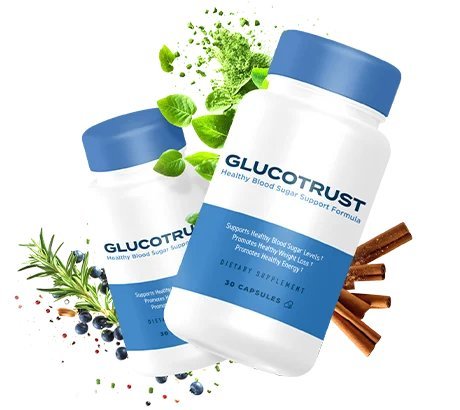
GlucoTrust is a dietary supplement designed to support healthy blood sugar levels and improve sleep quality using a blend of natural ingredients. Aimed at individuals looking for a holistic way to manage their metabolic health alongside diet and exercise, it focuses on the connection between restorative rest and hormonal balance. While not a replacement for medical treatment, it offers a lifestyle-oriented approach to wellness.
Scientific Analysis of Biotin
Mechanism of Action: How Biotin Works in the Body
Biotin functions as a covalently bound coenzyme for five different carboxylases. These enzymes are vital for several critical metabolic pathways. For example, Acetyl-CoA carboxylase is essential for fatty acid synthesis, while Pyruvate carboxylase is a key enzyme in gluconeogenesis—the process by which the body creates glucose from non-carbohydrate sources. Furthermore, biotin plays a role in the catabolism of branched-chain amino acids like leucine. At the cellular level, biotin is also involved in histone modification, which influences gene expression and DNA replication. This multifaceted role makes it indispensable for maintaining energy levels and cellular health throughout the body.
The Role of Biotin in Keratin Production
One of the most celebrated benefits of biotin is its impact on hair and nail health. Keratin is the basic protein that makes up your hair, skin, and nails. While the exact biochemical pathway is still being studied, research suggests that biotin improves the body's keratin infrastructure. By supporting the cross-linking of keratin proteins, biotin helps to strengthen the hair shaft and increase the thickness of the nail plate. This is why individuals with a biotin deficiency often present with brittle nails and thinning hair.
Proven Health Benefits and Scientific Research
1. Strengthening Brittle Nails
Clinical studies have consistently shown that biotin supplementation can significantly improve nail hardness and thickness. In a landmark study published in the Journal of the American Academy of Dermatology, participants with brittle nails who took 2.5 mg of biotin daily for several months showed a 25% increase in nail plate thickness and a notable reduction in nail splitting. Unlike many topical treatments, biotin works from the inside out to improve the structural integrity of the nail.
2. Supporting Hair Growth and Volume
While biotin is often marketed as a miracle cure for hair loss, its effects are most pronounced in individuals with low levels of the vitamin. However, research published in The Journal of Clinical and Aesthetic Dermatology found that a multi-ingredient supplement containing biotin significantly increased hair growth and volume in women with thinning hair after 90 and 180 days of treatment. Biotin ensures that the hair follicles receive the necessary metabolic energy to maintain the growth phase of the hair cycle.
3. Skin Health and Lipid Metabolism
Biotin’s role in fatty acid synthesis is directly linked to skin health. The skin relies on fats to maintain its moisture barrier and protect against environmental damage. A deficiency in biotin can lead to impaired fat production, resulting in dry, scaly skin or seborrheic dermatitis. By supporting lipid metabolism, biotin helps maintain a clear, hydrated, and youthful complexion.
4. Metabolic and Blood Sugar Support
Beyond aesthetics, biotin plays a role in metabolic health. Some studies suggest that biotin, especially when combined with chromium picolinate, may help regulate blood sugar levels in individuals with Type 2 diabetes. By enhancing the activity of enzymes involved in glucose metabolism, biotin can improve insulin sensitivity and support healthy glycemic control.
Potential Side Effects and Safety Considerations
Biotin is generally considered safe and well-tolerated, even at high doses, because it is water-soluble and any excess is excreted through urine. There is no established Upper Intake Level (UL) for biotin. However, some individuals may experience mild side effects such as nausea or digestive upset if taken on an empty stomach. The most significant safety concern is not toxicity, but rather lab test interference. High levels of biotin in the blood can cause clinically significant false results in various laboratory tests, including thyroid function tests (TSH) and troponin levels (used to diagnose heart attacks). It is recommended to stop biotin supplementation 3-7 days before undergoing blood work.
Biotin Deficiency: Who is at Risk?
True biotin deficiency is rare but can occur in specific populations. Those at risk include individuals with chronic alcohol use, pregnant and breastfeeding women (who may have increased requirements), and people with a rare genetic disorder called biotinidase deficiency. Furthermore, long-term use of certain medications, such as anticonvulsants, can lower biotin levels in the blood. Symptoms of deficiency include hair loss, a red scaly rash around the eyes and mouth, and neurological issues like lethargy or hallucinations.
Frequently Asked Questions
For most adults, the Adequate Intake (AI) is 30 mcg per day. However, many beauty supplements contain doses ranging from 1,000 mcg to 10,000 mcg to support hair and nail health. It is best to consult with a provider to determine the right dose for your needs.
Biotin can be taken with or without food. However, taking it with a meal may improve absorption and reduce the likelihood of mild stomach upset in sensitive individuals.
Since hair and nails grow slowly, it typically takes 3 to 6 months of consistent daily supplementation to see visible improvements in thickness, strength, and overall quality.
Some users report cystic acne when taking high doses of biotin. This is often attributed to biotin competing with Vitamin B5 (pantothenic acid) for absorption, which can affect the skin's oil production. Reducing the dose or increasing water intake may help.
Yes, the FDA has warned that high doses of biotin can significantly interfere with lab tests, including thyroid and heart health markers. You should inform your doctor and stop taking biotin at least 72 hours before a blood test.
⚖️ Conclusion
Biotin stands as a fundamental pillar of human nutrition, particularly known for its indispensable role in macronutrient metabolism and the maintenance of connective tissues. Extensive clinical observations and research indicate that while true biotin deficiency is rare in individuals consuming a balanced diet, supplementation can offer significant therapeutic benefits for those experiencing brittle nails, thinning hair, or specific metabolic challenges. The science highlights its function as a coenzyme for carboxylase enzymes, which are essential for fatty acid synthesis and glucose production. However, users should be mindful of its potential to interfere with certain laboratory diagnostic tests, such as thyroid and troponin assays. For most healthy adults, a daily supplement of biotin is safe and effective for enhancing the structural integrity of the skin and its appendages. In conclusion, biotin is a low-risk, high-reward ingredient that supports both internal metabolic efficiency and external aesthetic health. It remains a top-tier recommendation for individuals seeking to optimize their beauty-from-within regimen, provided they consult with a healthcare professional regarding appropriate dosages and potential laboratory interactions.