
Home » Ingredients » Citrus Pectin
Citrus Pectin Benefits: What the Research Shows
Citrus pectin is a complex carbohydrate found in the peels and pulp of citrus fruits. It is a soluble fiber that can modestly lower LDL cholesterol and supports digestion.
Last updated 6 October 2026
Citrus Pectin: the short answer
About 6 g a day of pectin modestly lowers LDL cholesterol (around 6-10% in trials), and 10 g taken with a meal can reduce the rise in blood sugar afterwards; both are EU-authorized health claims. Modified citrus pectin is marketed for cancer and detox, but its human evidence is limited to small uncontrolled studies.
| What it is | A soluble fiber from citrus peel. Modified citrus pectin (MCP) is pectin broken into shorter chains. |
|---|---|
| Most studied for | LDL and total cholesterol and after-meal blood sugar. MCP has been studied in recurrent prostate cancer and for lead excretion. |
| Amounts used in studies | Pectin: 6-15 g a day for 3-4 weeks (the EU claims require 6 g a day for cholesterol and 10 g per meal for blood sugar). MCP: 14.4-15 g a day in three doses. |
| Strength of evidence | Moderate for pectin and cholesterol (a small but consistent effect). Limited for MCP (single-arm studies, several linked to its developer). |
| Safety | Can cause cramps or diarrhea. May reduce the effect of lovastatin and the absorption of carotenoids and vitamin E. Take it with plenty of water: the EU requires a choking warning for people who have trouble swallowing. |
| In products we review | Ikaria Juice, ViriFlow |
Sources: EU health claims regulation · Review of pectin cholesterol trials · Memorial Sloan Kettering: pectin · MCP prostate study
Benefits of Citrus Pectin
What is Citrus Pectin?
Citrus pectin is a structural heteropolysaccharide found in the primary cell walls of terrestrial plants, with particularly high concentrations found in the peels and pulp of citrus fruits such as lemons, oranges, limes, and grapefruits. Historically, pectin has been utilized for over a century in the food industry as a gelling agent, thickener, and stabilizer in jams and jellies. However, its transition from a kitchen staple to a highly regarded dietary supplement is rooted in its unique biochemical properties and its status as a high-quality soluble fiber.
Derived through a process of extraction from citrus rinds, the resulting pectin consists of long chains of galacturonic acid units. While the human body cannot digest these chains, they play a critical role in the gastrointestinal tract. The history of its medicinal use dates back to early observations of fruit-rich diets and their correlation with cardiovascular longevity. In recent decades, advancements in processing have allowed for the creation of various forms of pectin, including Modified Citrus Pectin (MCP), which features shorter molecular chains for better systemic absorption, though traditional citrus pectin remains a gold standard for digestive and metabolic support.
Top Rated Supplements with Citrus Pectin
Products we review that list Citrus Pectin as an ingredient. Not every product discloses how much of each ingredient a serving contains, so check each review before assuming it matches the amounts used in studies.
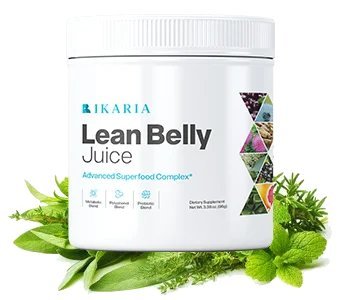
Ikaria Juice (sold as Ikaria Lean Belly Juice) is a powdered dietary supplement named after the Greek island of Ikaria. It is formulated as a convenient powder that blends easily into water or your favorite beverage. It is marketed for metabolism and belly fat; its listed ingredients include milk thistle, dandelion, Panax ginseng, resveratrol, EGCG, citrus pectin and fucoxanthin, none with strong human evidence for weight loss. It is not built around caffeine or other stimulants, though the vendor does not state its caffeine content.
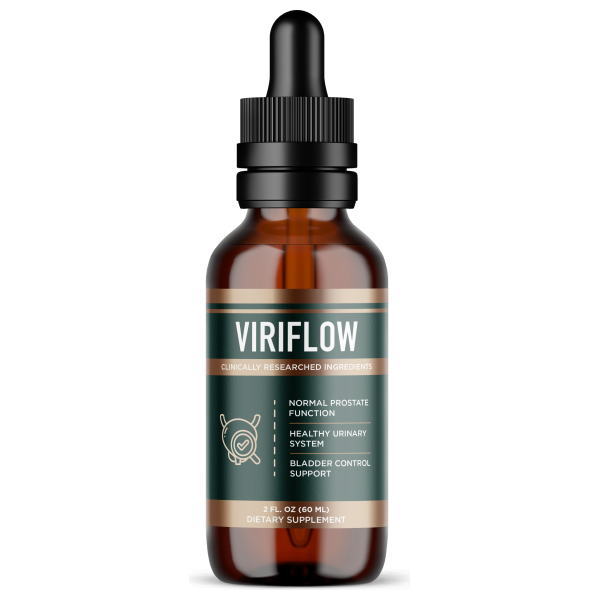
ViriFlow is a liquid dropper sold for prostate health, bladder control and urine flow. Its label lists iodine and a 700 mg blend of saw palmetto, pygeum, neem, seaweeds, pomegranate, citrus pectin and shilajit. This review explains what that label does and does not tell you, what the research shows for each ingredient, the hard-water claim behind the product, and the real prices and refund terms.
Scientific Analysis of Citrus Pectin
The Mechanism of Action: How Citrus Pectin Works
The primary mechanism of citrus pectin lies in its ability to form a viscous, gel-like substance when it comes into contact with water in the digestive tract. As a soluble fiber, it does not pass through the gut unchanged; instead, it slows down the transit time of food, which has profound implications for nutrient absorption and metabolic health. This gel can slow the absorption of glucose and fats; taken at 10 grams with a meal, pectin can reduce the rise in blood sugar afterwards. Pectin is also fermented by gut bacteria, so it acts as a prebiotic fiber. Once it reaches the large intestine, it is fermented by beneficial gut bacteria, such as Bifidobacteria and Lactobacilli. This fermentation process produces short-chain fatty acids (SCFAs) like butyrate, which serve as the primary energy source for colon cells and help maintain the integrity of the gut lining.
Cholesterol and Lipid Management
One of the most well-documented benefits of citrus pectin is its impact on cardiovascular health, specifically regarding cholesterol levels. The mechanism is twofold. First, the viscous gel formed by pectin binds to bile acids in the small intestine. Bile acids are synthesized from cholesterol in the liver; when pectin binds to them, they are excreted from the body rather than reabsorbed. To replace these lost bile acids, the liver must pull LDL (low-density lipoprotein) cholesterol from the bloodstream, thereby lowering overall circulating cholesterol levels. Clinical trials have found that about 6 to 15 grams of pectin a day modestly lowers total and LDL cholesterol (LDL by around 6% to 10%) without lowering HDL (good) cholesterol. This makes it an essential tool for those looking to manage hyperlipidemia naturally.
Blood Sugar Regulation and Metabolic Health
Citrus pectin plays a crucial role in stabilizing postprandial (after-meal) blood glucose levels. By increasing the viscosity of the intestinal contents, it slows the enzymatic breakdown of carbohydrates and the subsequent absorption of simple sugars. Research indicates that individuals who incorporate citrus pectin into high-carbohydrate meals experience more stable glycemic responses. Effects on insulin sensitivity and metabolic syndrome have not been established. Furthermore, the increased satiety provided by the bulking effect of pectin can aid in weight management by reducing overall caloric intake and curbing hunger pangs between meals.
Detoxification and Heavy Metal Chelation
Citrus pectin, and especially its modified form, is often marketed for removing heavy metals, but the human evidence is weak. Pectin can bind metal ions in laboratory tests, but the only human data come from small uncontrolled studies of modified citrus pectin, several co-authored by its developer. Whether this meaningfully reduces heavy metal levels in people has not been shown. If you are worried about heavy metal exposure, see a doctor rather than relying on a supplement.
Scientific Research and Clinical Evidence
Pectin's effect on cholesterol is backed by decades of research and by an EU-authorized health claim at 6 grams a day. Trials typically gave 6 to 15 grams a day for 3 to 4 weeks and found LDL cholesterol fell by around 6% to 10%. Another study focused on the prebiotic effects of citrus pectin demonstrated a marked increase in the production of acetate and propionate, SCFAs that are known to inhibit cholesterol synthesis in the liver. Furthermore, research into the 'second meal effect' suggests that the metabolic benefits of pectin consumption can last several hours, improving the body's glucose handling for subsequent meals consumed later in the day.
Potential Side Effects and Safety Considerations
Citrus pectin is generally recognized as safe (GRAS) by the FDA and is well-tolerated by the majority of users. However, because it is a potent source of fiber, some individuals may experience minor gastrointestinal side effects when first introducing it to their regimen. These may include:
- Abdominal bloating or gas
- Loose stools or diarrhea (if consumed in excess)
- Stomach cramps
To minimize these effects, it is recommended to start with a lower dose and gradually increase it to the desired level, ensuring adequate water intake throughout the day. It is also important to note that because pectin can slow the absorption of nutrients, it may also interfere with the absorption of certain medications. It is generally advised to take citrus pectin at least two hours apart from prescription drugs, particularly those with a narrow therapeutic index.
Frequently Asked Questions
Cholesterol studies used 6 to 15 grams a day; the EU-authorized claims require 6 grams a day for cholesterol and 10 grams with a meal for the blood-sugar effect.
It is best to take Citrus Pectin approximately 30 minutes before a meal with a full glass of water. This allows the fiber to hydrate and form a gel, which helps maximize its effects on satiety and cholesterol binding.
No, they are different. Regular Citrus Pectin has long molecular chains and works primarily in the digestive tract. Modified Citrus Pectin (MCP) has been enzymatically treated to shorten the chains, allowing it to be absorbed into the bloodstream for systemic benefits.
While eating whole citrus fruits provides pectin, the concentration in dietary supplements is much higher. You would need to consume a very large amount of fruit—including the white pith—to match the therapeutic doses used in clinical research.
Citrus Pectin is safe for most people, but those with citrus allergies should exercise caution. Additionally, because it can lower blood sugar, individuals on diabetes medication should monitor their levels closely and consult a healthcare provider.
⚖️ Conclusion
Citrus pectin is a soluble fiber with good evidence for one main benefit: a modest drop in LDL cholesterol. Its main strength is as a soluble fiber that modestly lowers LDL cholesterol at around 6 grams a day. Furthermore, its prebiotic nature fosters a robust gut microbiome, supporting digestive regularity and immune function. Claims that the modified version removes heavy metals or protects cells rest on small, uncontrolled studies. Clinical research underscores its safety profile, though users should gradually increase intake to avoid minor digestive discomfort. In short, citrus pectin is a reasonable option for modestly lowering cholesterol, and 10 grams with a meal can reduce the rise in blood sugar afterwards; its detox claims are not well supported. Take it with plenty of water, and note that it may reduce the effect of lovastatin. It is particularly effective when combined with a balanced diet and adequate hydration to maximize its gel-forming and toxin-binding capabilities.