
Home » Common Issues » Slow Metabolism
Is Your Metabolism Truly Slow? Understanding the Science of Metabolic Health
Struggling with a slow metabolism? Discover the science behind metabolic rate, common symptoms, and evidence-based strategies to optimize your health today.
Understanding Slow Metabolism
Understanding the Complexities of Metabolic Health
The term slow metabolism is frequently used as a catch-all explanation for weight gain or the inability to lose body fat despite dietary efforts. However, from a clinical perspective, metabolism is far more than a simple speed setting. It represents the sum of every chemical reaction in the human body that maintains life. The most significant component of this is your Basal Metabolic Rate (BMR), which accounts for roughly 60 to 75 percent of your total daily energy expenditure. This energy is utilized by your heart to pump blood, your lungs to breathe, and your brain to function while at rest. When people speak of a sluggish metabolism, they are often referring to a lower-than-expected BMR or a reduction in the efficiency with which their body processes fuel. Understanding that metabolism is a dynamic, living system is the first step toward optimizing it.
The Role of Body Composition and Muscle Mass
One of the most critical factors influencing your metabolic rate is your body composition. Muscle tissue is significantly more metabolically active than adipose tissue (fat). Even at rest, a pound of muscle burns more calories than a pound of fat to maintain itself. This is why individuals with a higher percentage of lean muscle mass often enjoy a higher BMR. As we age, many people experience a natural decline in muscle mass, a condition known as sarcopenia. This loss of muscle is often the primary culprit behind the common complaint that metabolism slows down with age. However, research suggests that this decline is not entirely inevitable. By engaging in consistent resistance training and consuming adequate protein, individuals can preserve or even build muscle mass well into their later years, effectively keeping their metabolic engine running efficiently.
Hormonal Influences on Metabolic Efficiency
While lifestyle factors are paramount, we cannot ignore the profound impact of the endocrine system. The thyroid gland is essentially the master controller of metabolism. It produces hormones, primarily T3 and T4, that signal cells how much energy to use. When the thyroid is underactive, a condition known as hypothyroidism, the body’s processes slow down significantly, leading to symptoms like fatigue, weight gain, and feeling cold. Additionally, insulin sensitivity plays a major role. When the body becomes resistant to insulin, it struggles to process glucose effectively, often leading to increased fat storage and metabolic dysfunction. Cortisol, the body’s primary stress hormone, also exerts influence; chronically high levels of cortisol can lead to muscle breakdown and the accumulation of visceral fat, further dampening the metabolic rate. Addressing these hormonal imbalances often requires a multi-faceted approach involving medical consultation, stress management, and specific dietary interventions.
The Trap of Adaptive Thermogenesis
A common mistake made by those trying to fix a perceived slow metabolism is the move toward extreme caloric restriction. While a calorie deficit is necessary for weight loss, the human body is evolutionarily hardwired for survival. When calories are cut too low for too long, the body enters a state often referred to as adaptive thermogenesis or metabolic adaptation. In this state, the body becomes more efficient at using fewer calories, slowing down non-essential functions to conserve energy. This is often why people hit plateaus or regain weight quickly after a crash diet. The body is essentially trying to protect itself from what it perceives as a period of famine. To avoid this, it is essential to use a moderate approach to caloric deficits and incorporate periods of metabolic recovery, ensuring the body feels safe enough to maintain a higher energy output.
The Importance of NEAT and Daily Movement
When we think of boosting metabolism, we often think of intense gym sessions. While exercise is vital, it only accounts for a small portion of our daily energy burn. Non-Exercise Activity Thermogenesis, or NEAT, includes all the energy expended for everything we do that is not sleeping, eating, or sports-like exercise. This includes walking to the car, typing, gardening, and even fidgeting. For many, a slow metabolism is actually the result of a highly sedentary lifestyle where NEAT is minimal. Increasing daily movement through simple habits—such as taking the stairs, using a standing desk, or going for short walks after meals—can have a cumulative effect on total daily energy expenditure that rivals a structured workout. Maximizing NEAT is one of the most sustainable ways to keep the metabolism active without the systemic stress of overtraining.
Dietary Thermogenesis and Nutrient Density
The food you eat also requires energy to be digested, absorbed, and processed. This is known as the Thermic Effect of Food (TEF). Not all macronutrients are created equal in this regard. Protein has the highest thermic effect, requiring significantly more energy to process than fats or carbohydrates. By increasing the proportion of protein in the diet, individuals can slightly increase their daily caloric burn while also supporting muscle retention and satiety. Furthermore, chronic inflammation caused by a diet high in ultra-processed foods can impair metabolic health. Focus on whole, nutrient-dense foods that provide the vitamins and minerals necessary for the chemical reactions of metabolism to occur. Micronutrients like magnesium, B vitamins, and iron are essential cofactors in the production of energy at the cellular level within the mitochondria.
Sleep, Hydration, and Circadian Rhythms
Finally, we must consider the foundational pillars of sleep and hydration. Sleep deprivation is a potent metabolic disruptor. Lack of sleep alters the hormones that govern hunger (ghrelin) and fullness (leptin), often leading to overeating and a preference for high-calorie, sugary foods. Furthermore, poor sleep impairs glucose metabolism and lowers the body’s ability to burn fat. Similarly, even mild dehydration can slow down cellular processes, including those involved in energy production. Maintaining a consistent circadian rhythm by exposing yourself to natural light in the morning and keeping a regular sleep schedule helps regulate the hormonal cycles that dictate metabolic efficiency. By viewing metabolism as a holistic reflection of your lifestyle, rather than a fixed genetic trait, you can begin to make the incremental changes necessary for long-term metabolic vitality.
Top Recommended Products for Slow Metabolism
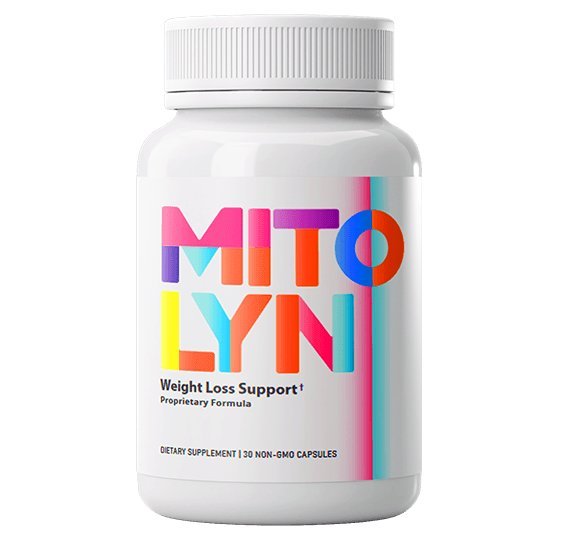
Mitolyn is revolutionizing the wellness space, offering unparalleled support for mitochondrial health. Search mitolyn reviews to see real-world results and understand why this supplement is becoming a cornerstone of advanced nutritional regimens. Experience the difference in your energy levels and vitality with Mitolyn.
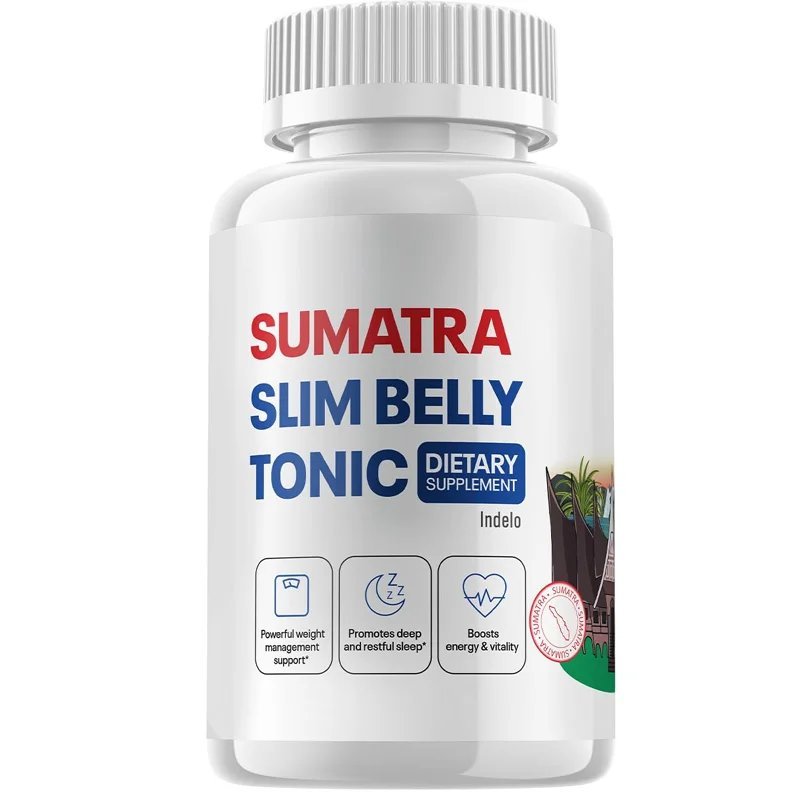
Sumatra Slim Belly Tonic is a dietary supplement designed to support healthy weight management by focusing on the often-overlooked connection between sleep quality and metabolism. Developed for individuals who struggle with stubborn belly fat and low energy levels, this powder-based formula utilizes a blend of natural ingredients intended to optimize restorative sleep. By addressing sleep debt and its impact on metabolic rate, the tonic aims to help users feel more refreshed while supporting their body's natural fat-burning processes. It is not a miracle cure but rather a lifestyle-supportive tool meant to be used alongside a balanced diet and regular activity.

LeanBiome is an innovative dietary supplement formulated to support weight management by optimizing gut health. Unlike traditional fat burners that rely on heavy stimulants, LeanBiome focuses on a sophisticated blend of probiotics, prebiotics, and green tea extract to balance the internal microbiome. It is designed for individuals who have struggled with stubborn weight despite traditional dieting, aiming to address the underlying bacterial balance that influences metabolism and cravings. By fostering a diverse gut environment, it offers a more holistic approach to long-term wellness and body composition.

HepatoBurn is a natural dietary supplement designed to support liver health and optimize metabolic function. By focusing on the liver's role in fat processing and detoxification, it aims to help individuals who feel their progress has stalled due to a sluggish metabolism. It is formulated with plant-based ingredients and offers a balanced approach to wellness without the use of harsh stimulants.

Java Burn is a unique, patent-pending dietary supplement designed to be mixed directly into your morning coffee. Formulated as a tasteless, instantly dissolvable powder, it aims to support metabolic efficiency and energy levels through a process called nutritional synergy. By combining specific natural ingredients with the existing compounds in coffee, Java Burn helps users maintain their wellness goals without requiring significant changes to their daily caffeine ritual. It is manufactured in the USA in FDA-registered and GMP-certified facilities, ensuring high quality and safety standards for the everyday consumer.

Ikaria Juice is a natural dietary supplement inspired by the longevity and lifestyle of the residents of Ikaria, Greece. It is formulated as a convenient powder that blends easily into water or your favorite beverage. Designed for adults looking to support their metabolic health, this formula focuses on addressing internal factors like uric acid levels that may hinder weight management efforts. It aims to provide a gentle, nutrient-rich approach to wellness without the use of harsh stimulants.
Frequently Asked Questions
While extreme or chronic dieting can lead to metabolic adaptation where the body burns fewer calories, it is rarely permanent. Through a process of gradual caloric increases (often called reverse dieting) and focusing on strength training to rebuild muscle mass, most individuals can restore their metabolic rate over time.
Muscle is significantly more metabolically active than fat. While the exact numbers vary, muscle tissue burns approximately 6 to 10 calories per pound per day at rest, compared to about 2 calories per pound for fat. While this may seem small, the cumulative effect of having more muscle, combined with the energy used during the activity to build it, is substantial for long-term weight management.
There is no magic food that will drastically change your metabolic rate. However, protein has a higher thermic effect than other nutrients, meaning the body burns more energy digesting it. Additionally, some studies suggest that spicy foods containing capsaicin and green tea may provide a very modest, temporary boost, but these are secondary to overall diet and activity levels.
Drinking water can slightly increase metabolism through a process called water-induced thermogenesis. When you drink cold water, your body uses a small amount of energy to heat the water to body temperature. While this effect is real, it is very minor and should be viewed as a supportive habit rather than a primary strategy for metabolic health.
⚖️ Conclusion
Addressing a slow metabolism requires moving beyond the calories in versus calories out simplification and looking at the body as a dynamic hormonal system. While genetics and age play roles, they are rarely the sole architects of metabolic health. The most effective approach involves a combination of high-intensity resistance training to build metabolically active lean muscle tissue, a diet rich in bioavailable protein to leverage the thermic effect of food, and a commitment to restorative sleep and stress management. It is crucial to avoid the trap of extreme caloric restriction, which often triggers adaptive thermogenesis and worsens the very problem you are trying to solve. Instead, focus on fueling your body adequately to support its natural functions. By prioritizing long-term lifestyle shifts over temporary fixes, you can optimize your metabolic efficiency and improve your overall vitality. Remember that metabolic health is a marathon, not a sprint; consistency in these foundational habits will yield the most significant and sustainable results for your long-term well-being.
Related Issues
Explore other topics related to Slow Metabolism.