
Best Supplements for Bad Breath
Zinc rinses cut odor for a few hours; oral probiotics such as K12 have small, mixed trials. ProDentim vs DentaBiome, prices, refunds and when to see a dentist.
Last updated 10 October 2026
Our Guide to Best Supplements for Bad Breath
The short answer: No supplement has been shown to cure bad breath. The best-supported steps are cleaning your teeth, between your teeth and your tongue every day, and asking a dentist to look for a cause such as gum disease or tooth decay. Zinc mouthrinses and lozenges reduce odor for a few hours. Oral probiotics, mainly S. salivarius K12, have small, short trials with mixed results, and we found no published trial of either oral-health product we review.
Dealing with persistent bad breath—medically known as halitosis—is more than just a morning nuisance; for many American adults, it’s a source of genuine social anxiety. Whether you're prepping for a presentation or heading out on a date, the worry that mints or gum aren't doing the job is exhausting. Brushing, flossing and cleaning your tongue are the foundation of fresh breath, but some people still notice odor despite a good routine. If mouthwashes and mints only help briefly, see a dentist to look for a cause such as gum disease; some people also try supplements such as oral probiotics, although the evidence for them is limited.
In this guide, we’ve researched and compared the top-rated supplements designed to support oral hygiene and fresh breath. Navigating the supplement aisle can be overwhelming, especially with the wide variety of probiotics and enzymes available on the U.S. market. Our reviews focus on products that prioritize high-quality ingredients and follow FDA Good Manufacturing Practices (GMP) to ensure safety and consistency. Below we explain what published research shows for the main ingredients so you can compare the options; for most of them the evidence is limited. Here are the best supplements for bad breath currently available to help you regain your confidence.
Thinking about a probiotic for your breath? Our oral probiotics guide explains which strains have evidence, including Streptococcus salivarius K12.
At a Glance: The Products Compared
| Product | Our score | Price per bottle | Money-back | |
|---|---|---|---|---|
| ProDentim | 3.7/5 | $49–$79 | 60 days | Read review → |
| DentaBiome | 2.9/5 | $49–$79 | 60 days | Read review → |
| ProvaDent | 2.2/5 | $49–$69 | 60 days | Read review → |
Scores use our published rubric. Prices are the official site's per-bottle price, from the largest package to the smallest; shipping and taxes can change the total, so check it at checkout.
Top Rated Products for Best Supplements for Bad Breath
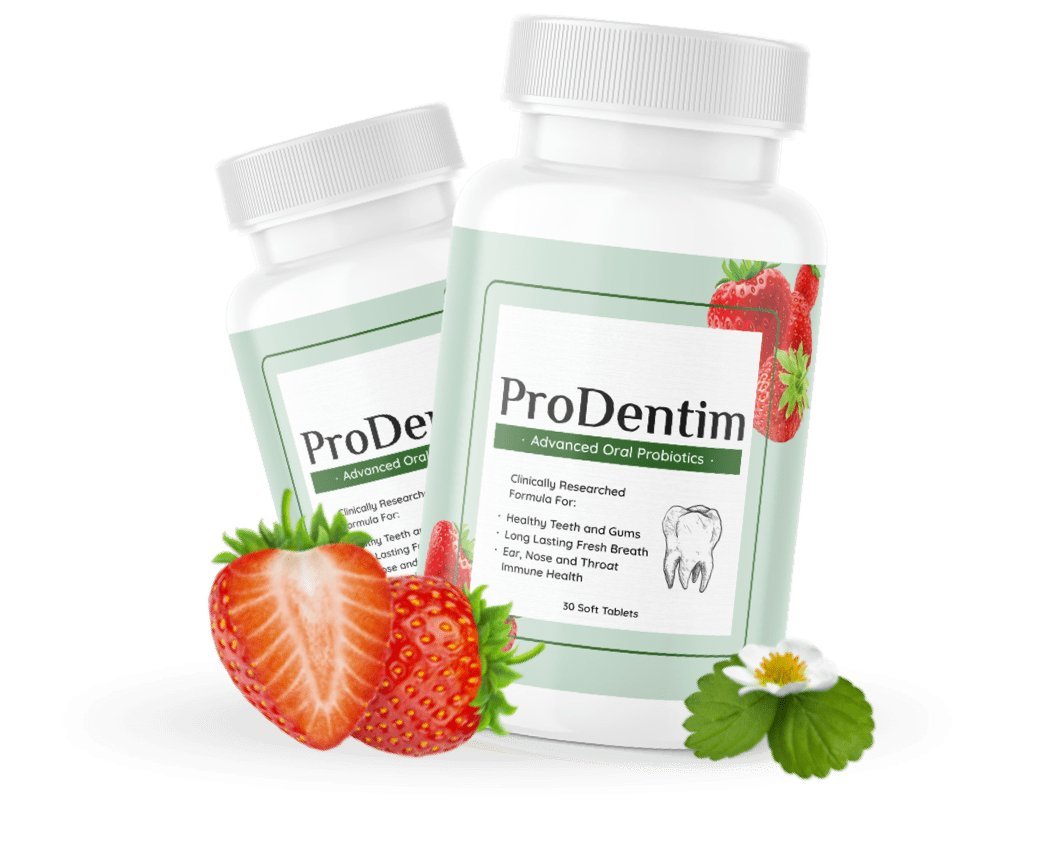
ProDentim is a probiotic soft tablet sold for healthier gums and teeth and fresher breath. This review covers its full label, including an ingredient the sales page leaves out, what research shows for bleeding gums, cavities, tartar and bad breath, the marketing claims, the prices and the 60-day refund.
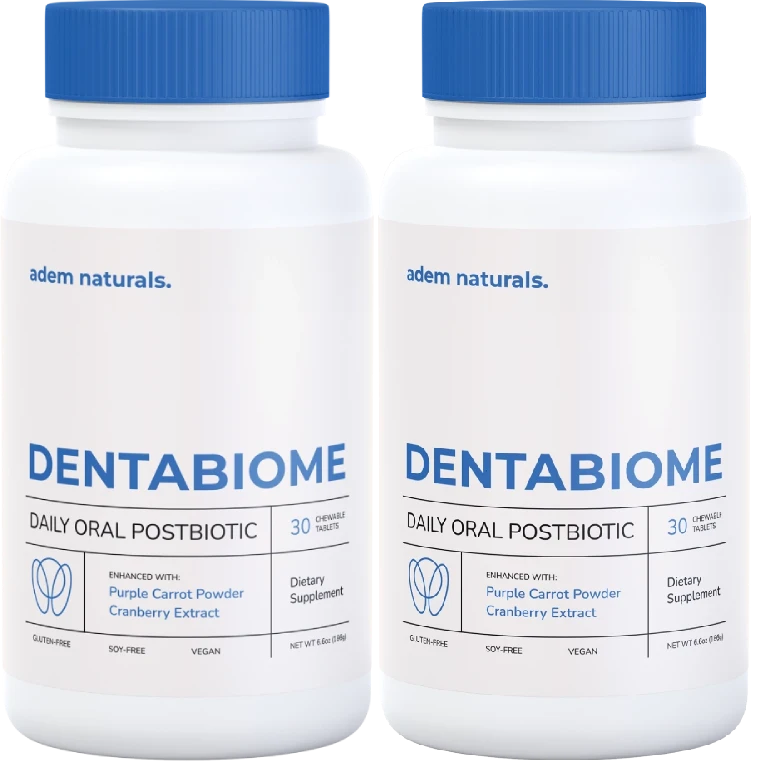
DentaBiome is a berry-flavoured chewable tablet sold as the first “oral postbiotic”: non-living Lactobacillus strains and the compounds they produce, combined with an enzyme blend, xylitol, purple carrot and cranberry. Made by Adem Naturals, it is marketed for bleeding gums, bad breath and cavities. This review covers what the research supports, what the label leaves out, the real prices and the 60-day refund terms.
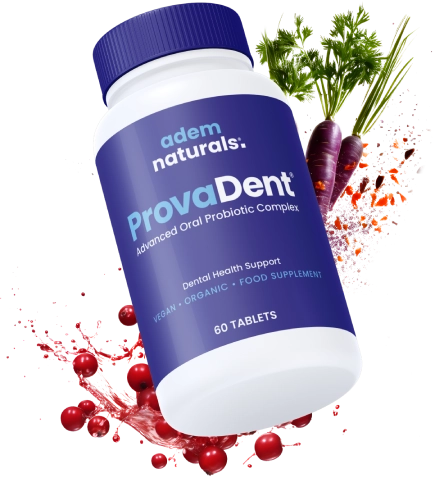
ProvaDent is a chewable oral probiotic tablet from Adem Naturals, sold through ClickBank for gums, breath and teeth. This review checks its ingredients against the research and explains the prices, the dentist on the sales page and the refund rules.
More About Best Supplements for Bad Breath
What Causes Bad Breath, and When to See a Dentist
In most people, bad breath starts in the mouth. Bacteria on the back of the tongue, between the teeth and below the gum line break down proteins and give off sulfur gases. Gum disease, tooth decay, a dry mouth, smoking, and foods such as garlic and onions all make it worse. Less often the cause is in the nose, sinuses or tonsils (for example tonsil stones), acid reflux, or a medical condition such as poorly controlled diabetes or kidney or liver disease.
See a dentist if bad breath continues even though you brush twice a day, clean between your teeth and clean your tongue, or if you also have bleeding gums, loose teeth or a constant bad taste. If the dentist finds no cause in your mouth, see your doctor.
What Is Inside ProDentim and DentaBiome
The two bad-breath products we review are both chewable tablets that cost the same ($49 to $79 a bottle) and come with a 60-day refund. They take different approaches: ProDentim contains live probiotic bacteria, while DentaBiome contains inactivated bacteria ("postbiotics") plus xylitol and plant extracts. Neither contains zinc, one of the ingredients with the most research on breath. ProDentim’s label does list S. salivarius, the species of K12, the strain studied most for breath, but not which strain it uses, and neither label gives a live count for each strain.
| Ingredient | Product | What the research shows |
|---|---|---|
| L. reuteri | ProDentim | Certain strains (DSM 17938 and ATCC PTA 5289), given as lozenges, reduced gum inflammation in small trials. ProDentim does not say which strain it uses. |
| B. lactis BL-04 | ProDentim | Studied for respiratory infections in active adults, with mixed results; not studied for breath or gums. |
| L. paracasei | ProDentim | Strain-specific trials for colds, hay fever and IBS; not an established bad-breath treatment. |
| Inulin | ProDentim | A prebiotic fiber studied for bowel regularity, not oral health. |
| S. salivarius | ProDentim | Its K12 strain is the best-studied breath probiotic, but in a 2020 trial of 28 people it did no better than placebo when the tongue coating was not removed first. ProDentim lists 20 mg without naming the strain. |
| L. salivarius, L. rhamnosus and L. plantarum (inactivated) | DentaBiome | Live L. salivarius has small trials for bad breath and gum health; whether inactivated bacteria work the same way has not been shown. Strains and amounts are not disclosed. |
| Xylitol | DentaBiome | A sugar alcohol that cavity bacteria cannot ferment. Benefits in studies need several grams a day, and reviewers rate that evidence as low quality. Highly toxic to dogs. |
| Cranberry extract, purple carrot, enzyme blend | DentaBiome | Lab studies only for cranberry and the enzymes; we found no oral-health research on purple carrot. |
For the full picture, read our ProDentim review, our DentaBiome review and the side-by-side DentaBiome vs ProDentim comparison. If your gums bleed, see our guide to supplements for gum disease.
Buying Guide: How to Choose the Best Dental Health Supplements
Navigating the supplement aisle in the United States can be overwhelming given the vast array of options claiming to fix "halitosis" or chronic bad breath. To ensure you are investing in a product that is both safe and effective, it is essential to look for specific quality indicators that align with American manufacturing standards. Since the FDA does not approve dietary supplements for safety and effectiveness before they are marketed, the burden of quality control often falls on the manufacturer and third-party evaluators.
Quality Indicators and Certifications
Always prioritize supplements manufactured in FDA-registered facilities that adhere to Current Good Manufacturing Practices (cGMP). These rules are meant to ensure that the product is made in a clean environment and contains what is listed on the label. Furthermore, look for seals from independent third-party testing organizations such as USP (U.S. Pharmacopeia), NSF International, or Informed Choice. These certifications verify that the product is free from harmful contaminants like heavy metals and that the dosage of active ingredients is accurate.
Dosage and Formulation Considerations
When it comes to bad breath supplements, dosage is not one-size-fits-all. Probiotic doses (counted in CFUs, colony forming units) differ widely between products and studies, so check that the strains and amounts on the label match those tested in published trials. For mineral-based supplements like zinc, make sure your total intake stays below the Tolerable Upper Intake Level (UL), which for zinc is 40 mg a day for adults. It is always advisable to consult with a dental professional or a primary care physician before starting a new regimen, especially if you have underlying health conditions or are taking prescription medications.
Value for Money Tips
To get the best value, look beyond the initial price tag and calculate the cost per serving. Many brands offer subscription or "subscribe and save" options that can reduce the monthly cost, but check how to cancel before you sign up. Additionally, check for a "Satisfaction Guarantee" or a 30-to-60-day money-back guarantee. A guarantee is not evidence that a product works, but it lets you try it with less financial risk if you keep to the refund terms.
How Dental Health Supplements Work
Understanding the science behind bad breath is key to understanding how supplements help. Most cases of halitosis originate from the breakdown of proteins by anaerobic bacteria living in the mouth, particularly on the back of the tongue. This process releases Volatile Sulfur Compounds (VSCs), which are responsible for the unpleasant odor. Supplements such as oral probiotics are marketed as targeting these bacteria, but the evidence is limited and none replace brushing, flossing and tongue cleaning.
Balancing the Oral Microbiome
The human mouth is home to billions of bacteria, both beneficial and harmful. When the balance shifts toward odor-producing bacteria, bad breath becomes a chronic issue. Oral health supplements often utilize specific probiotic strains, such as S. salivarius K12 and M18, which are native to a healthy human mouth. The idea is that these "friendly" bacteria compete with odor-causing microbes; small, mostly short trials suggest a possible benefit, but this has not been firmly shown.
Neutralizing Odor-Causing Compounds
Some products aim to neutralize the chemical compounds that cause odor. For example, zinc can bind volatile sulfur compounds in the mouth, which is why it is used in some mouthrinses, toothpastes and lozenges. Others are marketed as supporting saliva production. Saliva is the body’s natural defense against bad breath, as it contains oxygen and enzymes that inhibit the growth of anaerobic bacteria. However, we found no good evidence that supplements increase saliva flow; if your mouth is often dry, ask a dentist or doctor about the cause.
Expected Timeline for Results
It is important for users to manage their expectations regarding the timeline. Because these supplements are working to shift the bacterial landscape of the oral cavity, results are rarely instantaneous. Most trials of bad-breath treatments, including probiotics, followed people for only 1 to 4 weeks, and reviews disagree on whether probiotic benefits are meaningful. Some studies detected the probiotic strain in the mouth during use, but how long it stays and how much it reduces odor-causing bacteria is uncertain.
Benefits for Adults
For many adults in the United States, bad breath is more than just a minor inconvenience; it can be a source of significant social and professional anxiety. Finding and treating the cause can improve quality of life and confidence; supplements may play a small supporting role at most.
Social and Professional Confidence
In a culture that highly values personal grooming and "first impressions," chronic bad breath can be a barrier to success. Whether it is a high-stakes business meeting in New York or a first date in Los Angeles, knowing that your breath is fresh allows for more natural and confident communication. Dealing with the cause, usually through better oral hygiene and dental care, can reduce the need to rely on temporary fixes like gum and sprays throughout the workday.
The Oral-Systemic Health Connection
Research has found links between gum disease and other conditions, such as diabetes and heart disease, sometimes called the "oral-systemic link." Chronic halitosis can sometimes be an early warning sign of gum inflammation or other issues. That is why persistent bad breath is worth checking with a dentist; supplements have not been shown to protect the gums or teeth on their own.
Lifestyle Tips to Enhance Results
Any supplement is at most an add-on to a good daily oral care routine. For the best results, American adults should pair their supplementation with the following lifestyle habits:
- Hydration: Drink plenty of filtered water throughout the day to prevent "dry mouth," which can make bad breath worse.
- Tongue Scraping: Use a dedicated tongue scraper every morning to physically remove the biofilm where odor-causing bacteria hide.
- Dietary Adjustments: Be mindful of "keto breath" or odors caused by high-protein diets, and ensure adequate intake of fibrous vegetables which help mechanically clean the teeth.
- Regular Dental Checkups: Visit a dentist at least twice a year for professional cleanings to remove tartar that supplements cannot reach.
What to Avoid When Choosing Supplements
The supplement market is unfortunately filled with products that make "miracle" claims. To protect your health and your wallet, there are several red flags and common mistakes to watch out for when shopping for dental health aids.
Beware of "Proprietary Blends"
Many manufacturers use the term "proprietary blend" to hide the exact amounts of each ingredient in their formula. While this is legal under U.S. law, it makes it impossible for the consumer to know if they are getting a clinically effective dose of the active ingredients. Always look for "transparent labeling" where the exact milligrams or CFUs of each primary component are clearly listed.
Red Flags and Misleading Claims
Avoid any product that claims to "cure" a disease or promises "instant permanent results." Per FDA regulations, supplements cannot claim to treat or cure specific medical conditions like periodontal disease. Furthermore, be skeptical of products that rely mainly on strong flavors or essential oils, as these may only mask the odor for a short time.
Avoid Excessive Alcohol and Harsh Chemicals
While not a supplement itself, many people use high-alcohol mouthwashes alongside their supplement routine. Some people find that alcohol-based rinses leave the mouth feeling dry, and a dry mouth can make bad breath worse. If this happens to you, an alcohol-free rinse may be more comfortable.
Key Ingredients
Bacteria naturally found in the mouth; small, mostly short trials suggest K12 lozenges may reduce bad breath, but reviews disagree and long-term benefits are not established.
In mouthrinses, toothpastes and lozenges, zinc binds volatile sulfur compounds (VSCs), the main odor compounds in bad breath, and reduced odor for a few hours in small trials; there is little evidence that swallowed zinc capsules freshen breath.
Sometimes called an 'internal deodorant,' this compound made from chlorophyll was tested in small, older studies for body and stool odor with mixed results; it has not been shown to reduce bad breath.
Needed for healthy gums; low intake is linked to bleeding gums, but supplements have not been shown to prevent gum disease or bad breath in people who already get enough.
Marketed for 'stomach breath,' but we found no good evidence that digestive enzymes reduce bad breath, which usually starts in the mouth rather than the stomach.
Peppermint oil freshens breath briefly and has antimicrobial effects in lab studies, but it has not been shown to reduce odor-causing bacteria in the mouth over time.
Green tea polyphenols reduced odor-causing bacteria and sulfur gases in lab studies and in a few short tests of rinses or tablets held in the mouth; there is no good evidence for extract capsules, which have rarely been linked to liver injury.
Frequently Asked Questions
⚖️ Final Verdict
The basis of managing bad breath is daily brushing, flossing and tongue cleaning, plus a dental check to find the cause; zinc-containing rinses or lozenges can reduce odor for a few hours, and oral probiotics have mixed, short-term evidence. Supplements cannot replace brushing twice daily, flossing and regular professional checkups, which help make sure underlying issues like gum disease, tooth decay or other health conditions are found and treated.