
Home » Common Issues » Belly Fat
The Comprehensive Guide to Understanding and Reducing Belly Fat
Why belly fat builds up, what research shows works (diet, aerobic exercise, sleep), why no supplement targets belly fat, and when weight gain needs a check.
Understanding Belly Fat
The Biological Complexity of Abdominal Fat
Abdominal fat, commonly referred to as belly fat, is far more than an aesthetic concern or a simple matter of carrying extra weight. In the medical and wellness community, it is understood as a complex, biologically active tissue that functions almost like an independent endocrine organ. To effectively manage and reduce belly fat, one must first distinguish between the two primary types: subcutaneous fat and visceral fat. Subcutaneous fat is the visible layer found directly under the skin—the kind you can pinch. While it can impact body image, it is generally less harmful than its deeper counterpart. Visceral fat, however, is stored deep within the abdominal cavity, surrounding vital organs such as the liver, pancreas, and intestines. This type of fat is metabolically active and has been linked to a host of systemic health issues, including insulin resistance, type 2 diabetes, cardiovascular disease, and chronic inflammation.
The Role of Visceral Fat in Metabolic Health
Part of the concern is that visceral fat releases inflammatory substances and hormones that can disturb normal metabolism. Visceral fat appears to be more responsive than fat under the skin to the hormone cortisol, often called the stress hormone. Persistently very high cortisol, as in Cushing's syndrome, causes fat to build up around the abdomen; how much everyday stress or poor sleep does this is less clear. Furthermore, excess visceral fat is closely associated with insulin resistance. Excess abdominal fat is linked with cells responding less well to insulin, which can raise blood sugar over time and increase the risk of type 2 diabetes. This is why diet quality, activity, sleep and stress all matter for long-term health, although losing fat still depends on taking in fewer calories than you use.
Nutritional Strategies for Fat Loss
When it comes to nutrition, the goal is not just a lower number on the scale but losing fat while keeping muscle and improving metabolic health. A diet high in processed sugars and refined carbohydrates is linked to weight gain, and in one six-year study people who drank sugary drinks daily gained more visceral fat. Refined carbohydrates tend to raise blood glucose quickly, which triggers a larger insulin response. Researchers still debate whether these insulin swings drive belly fat directly or mainly make it easier to overeat. Eating enough high-quality protein and soluble fiber can help counteract this. Protein is the most thermogenic macronutrient, meaning the body burns more calories digesting it than it does fats or carbs. Additionally, protein increases the release of fullness hormones such as cholecystokinin, which can help you feel full. Soluble fiber, found in foods like legumes, oats, and cruciferous vegetables, absorbs water and forms a gel that slows down food as it passes through the digestive system. This can help steady blood sugar, and in one five-year observational study each extra 10 grams of soluble fiber a day was linked with 3.7 percent slower visceral fat gain.
The Impact of Physical Activity Beyond Crunches
A common misconception in the fitness world is the idea of spot reduction—the belief that performing hundreds of sit-ups or crunches will specifically burn the fat covering the abdominal muscles. Unfortunately, fat loss occurs systemically, not locally. Physical activity helps reduce belly fat by using extra energy and improving how the body handles blood sugar, especially when combined with diet changes. High-Intensity Interval Training (HIIT) and steady aerobic exercise have both reduced visceral fat in research reviews, while resistance training alone has shown less effect on it. Resistance training, or weightlifting, is particularly valuable because it builds lean muscle mass. Muscle tissue is more metabolically active than fat tissue, so more muscle means a somewhat higher resting metabolic rate. The difference is modest, so building muscle works best alongside diet changes rather than on its own. Compound movements such as squats, deadlifts and overhead presses work several muscle groups at once, making them an efficient use of training time.
Lifestyle Factors: Sleep, Stress, and Consistency
Perhaps the most overlooked components of a flat stomach are sleep quality and stress management. In one five-year study, adults under 40 who slept five hours or less a night gained more abdominal fat than those who slept six to seven hours. In some studies, sleep loss altered the appetite hormones ghrelin and leptin, which regulate hunger and fullness, and short sleep has been linked with increased hunger. Chronic stress may also raise cortisol and change eating habits, although its effect on belly fat varies from person to person. Practices such as mindfulness, deep breathing or daily walks can help manage stress, though their direct effect on waist size is likely to be small. Ultimately, the journey to reducing belly fat is a marathon, not a sprint. It requires a holistic approach that respects the body's biological rhythms and prioritizes consistency over intensity. By addressing nutrition, movement, and lifestyle in tandem, you create a sustainable path toward better health and a leaner physique.
At a Glance: The Products Compared
| Product | Our score | Price per bottle | Money-back | |
|---|---|---|---|---|
| Mitolyn | 3.8/5 | $49–$79 | 90 days | Read review → |
| LeanBiome (Biome) | 3.7/5 | $49–$79 | 180 days | Read review → |
| Ikaria Juice | 3.7/5 | $39–$69 | 180 days | Read review → |
| CitrusBurn | 3.7/5 | $49–$79 | 180 days | Read review → |
| Nagano Tonic | 3.6/5 | $39–$79 | 180 days | Read review → |
| Java Burn | 2.9/5 | $49–$79 | 60 days | Read review → |
| HepatoBurn | 2.7/5 | $49–$79 | 60 days | Read review → |
| Sumatra Slim Belly Tonic (no longer sold) | 3.3/5 | $39–$79 | 90 days | Read review → |
Scores use our published rubric. Prices are the official site's per-bottle price, from the largest package to the smallest; shipping and taxes can change the total, so check it at checkout.
Top Recommended Products for Belly Fat
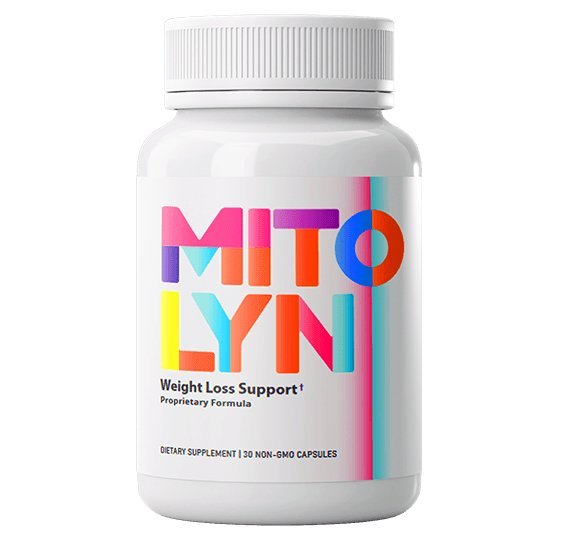
Mitolyn is a daily capsule built around six plant and algae extracts - astaxanthin-rich algae, maqui berry, amla, rhodiola, schisandra and cocoa - aimed at supporting the body's own energy production rather than suppressing appetite, with no added stimulants beyond the small amounts of caffeine and theobromine that cocoa extracts contain. This review covers what each ingredient is actually supported by, what the label does not tell you, and who is realistically likely to notice a difference.
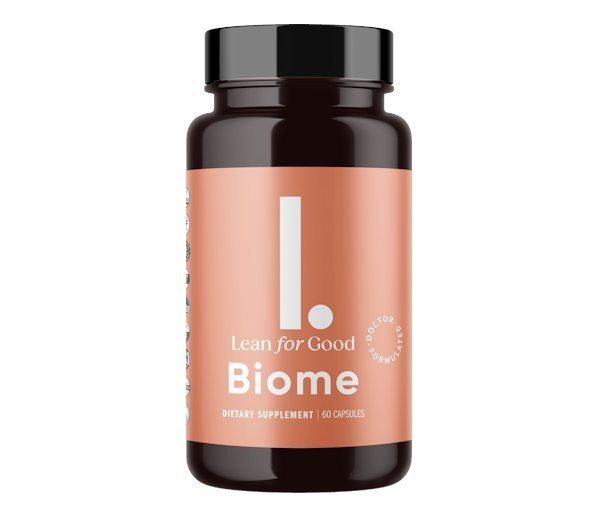
LeanBiome, now sold as Biome by Lean for Good, is a capsule marketed for weight management through gut health. Its label lists nine probiotic species (20 billion CFU a day), a small amount of inulin, a caffeine-free green tea phytosome and two plant extracts, Sphaeranthus indicus and mangosteen rind. The combined formula has not been tested in a published trial, and the two plant extracts are at half the dose used in trials of a similar blend, so any effect on weight is unproven.
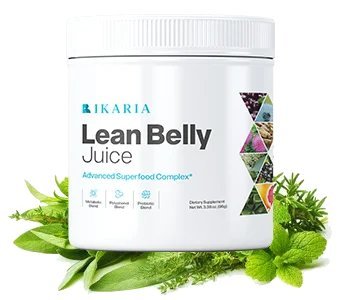
Ikaria Juice (sold as Ikaria Lean Belly Juice) is a powdered dietary supplement named after the Greek island of Ikaria. It is formulated as a convenient powder that blends easily into water or your favorite beverage. It is marketed for metabolism and belly fat; its listed ingredients include milk thistle, dandelion, Panax ginseng, resveratrol, EGCG, citrus pectin and fucoxanthin, none with strong human evidence for weight loss. It is not built around caffeine or other stimulants, though the vendor does not state its caffeine content.

CitrusBurn is a once-a-day capsule built around Seville orange peel — bitter orange, the source of p-synephrine — alongside apple cider vinegar, red pepper, ginger, green tea, berberine and Korean red ginseng. It is marketed mainly to women over 40 as metabolism support. This review covers what each ingredient is actually supported by, what the label leaves out, the real package prices and how the 180-day refund works.
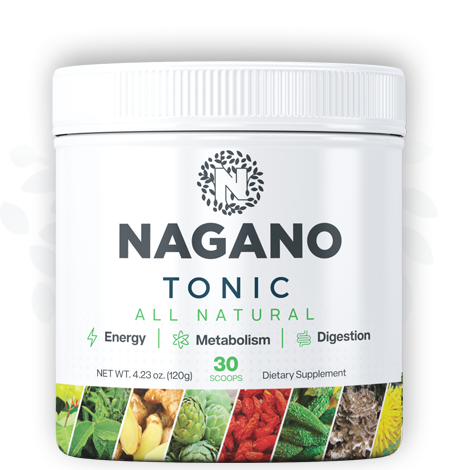
Nagano Tonic, sold as Nagano Lean Body Tonic, is a flavoured powder you stir into water or another drink once a day. Each scoop combines a greens and berry blend, nine herbs including green tea extract, ashwagandha, ginger, cinnamon and Panax ginseng, a small fibre and enzyme blend, five probiotic strains, and vitamins C and B12. It is marketed as a “Japanese elixir” that wakes up a sleeping metabolism. This review covers what the label discloses, what research on its ingredients shows at these amounts, the real package prices and how the 180-day refund works.
Java Burn 2.0 is a liquid weight-loss supplement you add to your coffee, one dropper a day, sold through ClickBank; the original powder is still sold on javaburn.com. This review checks the 2.0 label (vitamins D, B6 and B12, chromium and a 550 mg blend) against the research and explains the prices and refund rules.
HepatoBurn is a dietary supplement that the vendor markets for liver health and metabolism. It is pitched at people who blame a sluggish liver or metabolism for stalled weight loss, an idea that has not been tested with this product. Its listed ingredients are plant extracts such as milk thistle and berberine plus the nutrient choline, and none of them is a stimulant.
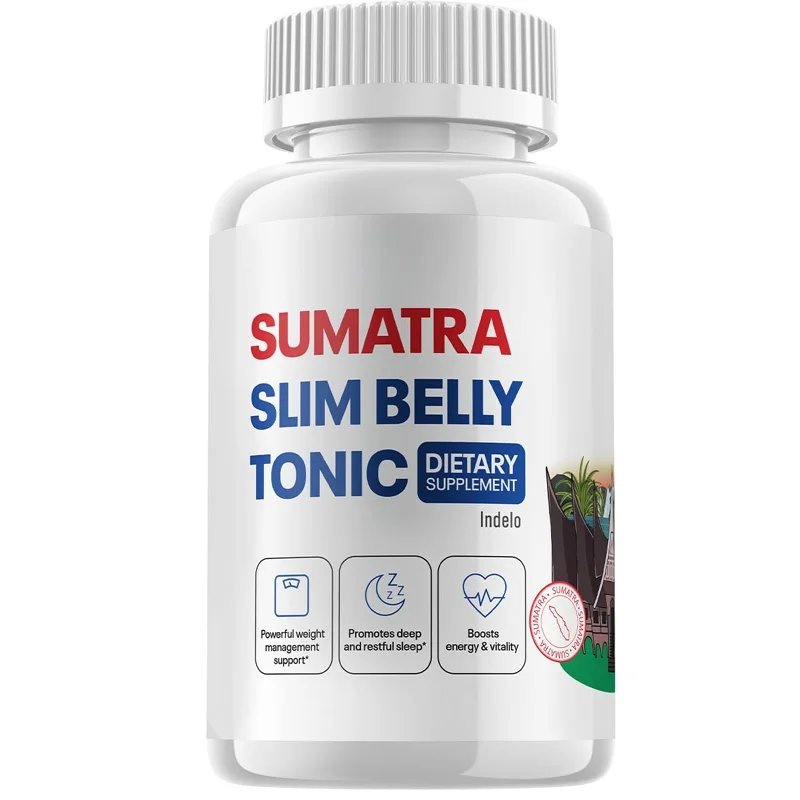
Sumatra Slim Belly Tonic was a nightly powder marketed for weight management on the idea that better sleep helps metabolism. It is no longer available: its official website showed it as sold out and then went offline when we checked in October 2026. This review stays up for reference and covers what the blend contained, how well the sleep-metabolism claim holds up, and how to ask for a refund if you bought it.
Frequently Asked Questions
No, spot reduction is a myth. While ab exercises strengthen the muscles underneath, losing the fat covering them depends mainly on an overall calorie deficit, supported by regular exercise and a balanced diet.
Sugary drinks and other foods high in added sugars or refined carbohydrates have been linked with more visceral fat, but excess calories from any source add to it.
A combination of both is ideal. Weightlifting builds muscle, which modestly raises resting calorie burn, while aerobic exercise and HIIT have the stronger evidence for reducing visceral fat. Resistance training also helps you keep muscle while you lose weight.
Stress triggers the release of cortisol. Persistently high cortisol can increase appetite and is linked with fat storage around the abdomen, but how much everyday stress contributes varies from person to person.
⚖️ Conclusion
Addressing belly fat is not merely a matter of aesthetic preference; it is a critical step toward long-term metabolic health and disease prevention. Throughout this guide, we have explored the multifaceted nature of abdominal weight, distinguishing between the visible subcutaneous fat and the more dangerous visceral fat that surrounds vital organs. The key takeaway is that lasting change comes from a holistic approach, not a quick fix; no supplement has been shown to target belly fat specifically. By prioritizing a diet rich in whole foods, engaging in consistent resistance and cardiovascular training, and managing lifestyle factors like chronic stress and poor sleep, you can effectively shift your body composition. It is important to remember that progress is rarely linear and spot reduction is a biological myth. Instead, focus on creating a consistent caloric deficit while fueling your body with the nutrients it needs to thrive. Small, consistent adjustments to your daily routine can, over time, lead to meaningful improvements in your waist circumference and overall health. Stay patient, stay disciplined, and view this journey as a lifelong commitment to your well-being. Your health is your most valuable asset, and reducing excess belly fat is one of the best investments you can make for a longer, more vibrant life.
Related Issues
Explore other topics related to Belly Fat.