
Home » Ingredients » Damiana
Damiana Benefits: What the Research Shows
Damiana is a subtropical shrub renowned for its traditional use as a natural aphrodisiac and mood enhancer. Extracted from the leaves of the Turnera diffusa plant, it is widely used in modern supplements to support sexual health and emotional balance.
Last updated 6 October 2026
Damiana: the short answer
There is very little human evidence for damiana's benefits. The few human studies tested it only as one ingredient in multi-ingredient products, such as ArginMax for women's sexual function and a herbal weight-loss blend, so its own effect is unknown. Claims about anxiety, blood sugar and hormones come from animal or lab studies.
| What it is | The leaves of Turnera diffusa, a shrub from Mexico, Central America and the Caribbean, traditionally drunk as a tea and used as an aphrodisiac. |
|---|---|
| Most studied for | Sexual function (in animals, and in people only within multi-ingredient products); anxiety and blood sugar in animal studies; weight loss as part of an herbal blend. |
| Amounts used in studies | No dose of damiana on its own has been tested in human trials. ArginMax (L-arginine, ginseng, ginkgo, damiana, vitamins and minerals) was taken for 4-12 weeks; a yerba mate, guarana and damiana blend was taken as three capsules before each meal for up to 45 days. |
| Strength of evidence | Limited: no human trials of damiana alone; results from combination products cannot be credited to damiana, and a 12-week ArginMax trial in 186 women found no effect on sexual function. |
| Safety | Likely safe in food amounts and possibly safe in usual medicinal amounts, but poorly studied. May lower blood sugar, so people on diabetes medicines should monitor closely, and it should be stopped 2 weeks before surgery. Convulsions have been reported after about 200 g of extract. Avoid in pregnancy and breastfeeding. |
| In products we review | Protoflow, Quietum Plus, Fluxactive Complete |
Sources: MSKCC About Herbs: damiana · RxList Natural Medicines damiana monograph · Turnera genus review 2014 · ArginMax trial in cancer survivors
Benefits of Damiana
What is Damiana?
Damiana, botanically known as Turnera diffusa, is a low-growing shrub with aromatic yellow flowers and serrated leaves. It thrives in the hot, humid climates of Mexico, Central America, and the West Indies. For centuries, this plant has held a prestigious place in traditional medicine, particularly among the Maya and other indigenous groups of Central America. Originally consumed as a tea or a sweetened liqueur, Damiana was prized not only for its pleasant, earthy flavor but also for its purported ability to restore vigor and enhance reproductive health.
A Rich Ethnobotanical History
The history of Damiana is deeply intertwined with the cultural practices of ancient Mesoamerica. Spanish missionaries were the first to record its use, noting that Mexican Indians used the leaves to create a tonic that improved sexual function and relieved symptoms of anxiety. By the 19th century, Damiana had made its way into the United States pharmacopeia, where it was marketed as a treatment for impotence and nervous exhaustion. Today, it remains popular in herbalism, although modern scientific research on it is limited.
Top Rated Supplements with Damiana
Products we review that list Damiana as an ingredient. Not every product discloses how much of each ingredient a serving contains, so check each review before assuming it matches the amounts used in studies.
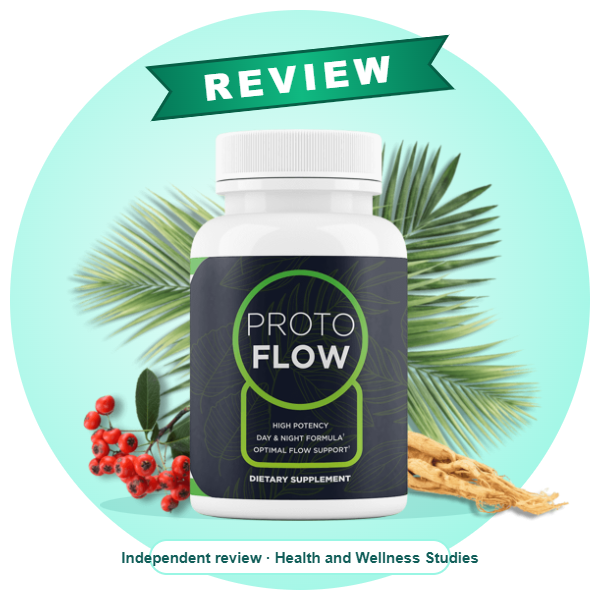
Protoflow is a prostate and urinary-flow capsule sold through ClickBank by PhytoThrive Labs, with 14 ingredients including saw palmetto, horny goat weed and niacin. This review checks the full label against the research and explains the prices and refund rules.
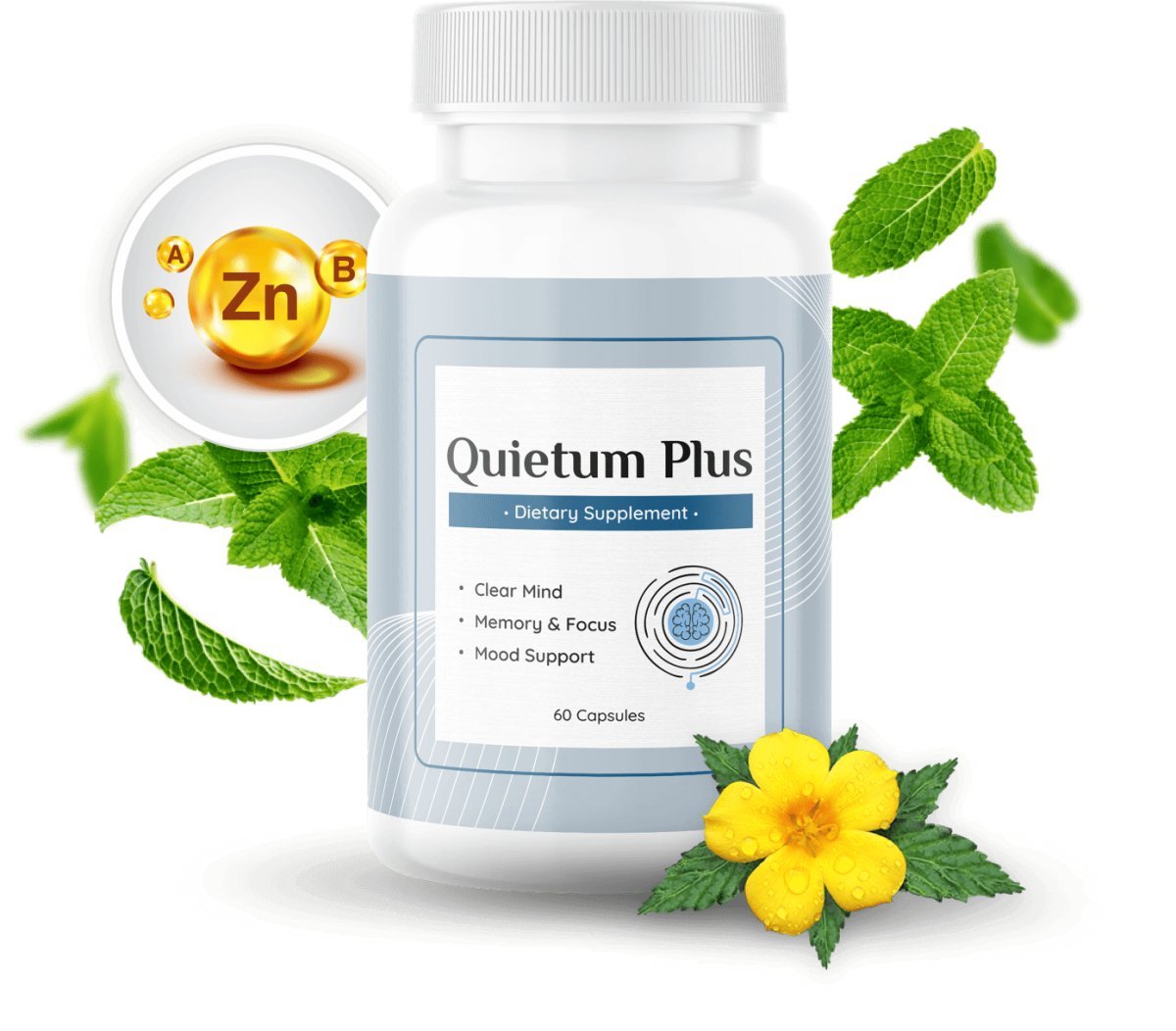
Quietum Plus is a capsule supplement marketed for ear health and hearing. It combines 18 plant extracts with vitamins, zinc and amino acids, and the vendor says it supports nerve function and circulation to the ears; this has not been tested. Designed for those who want a non-invasive way to support their hearing wellness, it focuses on long-term nutritional support rather than instant fixes.
Fluxactive Complete is a capsule sold as a “14-in-1” prostate formula by Phytothrive Labs. It names saw palmetto, Chinese ginseng, vitamin E, tribulus, epimedium, damiana and eight other ingredients, but publishes no label or amounts. This review covers what the research shows for those ingredients, why the missing label matters, the real prices and the 60-day refund terms.
Scientific Analysis of Damiana
The Complex Phytochemistry of Damiana
Damiana has a complex chemical profile that researchers have studied mainly in the lab. The leaves contain a diverse array of bioactive compounds, including flavonoids, terpenoids, and cyanogenic glycosides. One of the primary constituents is damianin, a bitter substance believed to exert a stimulating effect on the central nervous system. Additionally, the plant is rich in essential oils such as alpha-pinene, beta-pinene, and p-cymene, which contribute to its distinct aroma and potential antimicrobial properties.
Research has identified specific flavonoids like apigenin and gonzalitosin I, which have shown antioxidant and anti-inflammatory activity in laboratory studies. Perhaps most interestingly, test-tube studies found that some Damiana compounds can block the enzyme aromatase, but effects on estrogen or testosterone levels in people have not been shown. Understanding these mechanisms is key to explaining why Damiana has been used for such a wide range of physical and psychological conditions.
Mechanism of Action: How Damiana Works
How Damiana might work in the human body is not known, as most research has been done in animals or test tubes. It has traditionally been used as a mild stimulant, but there is limited evidence of stimulant effects and none showing less fatigue or better focus in people. Users sometimes describe its effects as relaxing, and mouse studies suggest anti-anxiety effects, but how this might work in people is unknown. There is no human evidence that it helps manage stress.
In the context of sexual health, animal studies suggest its effects may involve the nitric oxide pathway, which affects blood flow, but this has not been confirmed in people. Test-tube studies suggest that some of its compounds may inhibit the enzyme aromatase, which converts testosterone into estrogen. Whether this raises testosterone levels or affects libido in men or women has not been studied in people. It has also been used traditionally as a mild diuretic and laxative, but these uses have not been tested in clinical studies.
Health Benefits and What the Research Shows
Traditional use is long-standing, but modern research on Damiana itself is limited and comes mostly from animal and lab studies. Here are the primary areas of research:
- Sexual Health and Libido: Multiple animal studies have demonstrated that Damiana extract can improve sexual performance and frequency in 'sexually exhausted' subjects. In human trials, Damiana has only been tested as one ingredient of multi-ingredient formulas like ArginMax; two small 4-week trials reported better sexual satisfaction in women, but a 12-week trial in 186 cancer survivors found no effect on sexual function, and damiana's own role is unknown.
- Anxiety and Mood Support: Mouse studies suggest an anti-anxiety (anxiolytic) effect, but human studies are lacking. Whether Damiana reduces stress or improves well-being in people has not been tested.
- Blood Sugar Management: Animal research suggests that Damiana may lower blood sugar. There are no human studies showing that it helps control blood glucose.
- Digestive and Respiratory Health: Damiana has traditionally been used for constipation and breathing problems such as asthma, but there are no data showing that it works for these uses.
Potential Side Effects and Safety Considerations
Damiana is likely safe in the amounts found in food and possibly safe in usual medicinal amounts, but its safety has not been well studied. However, because it might lower blood sugar levels, individuals with diabetes or those taking diabetes medication should monitor their levels closely and stop it at least 2 weeks before surgery. Convulsions and other serious symptoms have been reported after taking about 200 grams of damiana extract.
Due to its potential hormonal effects, Damiana is not recommended for pregnant or breastfeeding women. Furthermore, because of its historical use as a stimulant, it should be used with caution by individuals with a history of severe anxiety or heart conditions. Always consult with a healthcare professional before adding a new supplement to your regimen, especially if you are taking prescription medications.
Dosage and Administration
There is no standardized recommended dose for Damiana, as it depends on the form of the supplement. Traditional tea preparations vary, and there is not enough scientific information to set a safe and effective dose. Extract strengths vary between products, and no human trial has tested damiana extract on its own, so follow the label and medical advice. It is not known how long Damiana needs to be taken to have any effect.
Frequently Asked Questions
There is no reliable research on how quickly Damiana works; trials of ArginMax, a multi-ingredient product that contains damiana, measured effects after 4 to 12 weeks.
Both men and women use Damiana, but benefits have not been proven for either. In men, it is often used for stamina and testosterone support, while in women, it is frequently used to enhance desire and alleviate symptoms of menopause or PMS.
No, Damiana does not contain caffeine. It is thought to contain mildly stimulating compounds such as damianin, but effects on energy have not been tested in people.
There is no established recommended dose, and the safety of long-term daily use has not been studied. Some people take breaks from herbal supplements, but there is no evidence that this changes how Damiana works.
⚖️ Conclusion
Damiana is a botanical with a long history of traditional use but very little scientific backing in humans. It is best known as a traditional aphrodisiac, and suggested benefits for mood, stress and blood sugar come from animal or lab studies rather than human trials. Lab research on its flavonoids and aromatase-blocking compounds is interesting, but it has not been shown to change hormone levels in people. However, like any bioactive substance, it requires responsible usage. There is no evidence on how it works best or over what time frame. For individuals seeking more vitality or less daily stress, Damiana is a traditional option some people try, but it cannot be recommended on scientific grounds. If you do try it, choose a product from a reputable maker, since quality and strength vary. Overall, Damiana remains a popular herb, but its benefits and long-term safety have not been established in clinical research.