
Home » Ingredients » Dong Quai
Dong Quai Benefits: What the Research Shows
Dong Quai is an herb native to East Asia, traditionally used in Chinese medicine to support women's health and blood circulation. Known scientifically as Angelica sinensis, it is promoted for hormonal balance, but human trials have not shown clear benefits.
Last updated 6 October 2026
Dong Quai: the short answer
Human research has not shown clear benefits of dong quai. In a 24-week placebo-controlled trial, dong quai alone worked no better than placebo for hot flashes, and NCCIH says too little research exists to draw conclusions. One small trial of a dong quai and chamomile product reduced hot flushes; most other claims rest on tradition and lab studies.
| What it is | The dried root of Angelica sinensis, a plant in the celery family with a long history of use in traditional Chinese medicine, mainly for women's health. |
|---|---|
| Most studied for | Menopausal hot flashes, both alone and in herbal combinations. Menstrual cramps and irregular periods are traditional uses with little trial data. |
| Amounts used in studies | 4.5 g of dong quai root daily for 24 weeks (no benefit over placebo); a dong quai plus chamomile product (Climex), 5 tablets daily for 12 weeks. No standard dose has been established. |
| Strength of evidence | Limited. The only placebo-controlled trial of dong quai alone found no benefit; the positive result comes from one small trial of a combination product. |
| Safety | May increase bleeding risk with warfarin and other blood thinners (a case report showed INR more than doubled). Can cause sun sensitivity, bloating, diarrhea and loss of appetite. Avoid in pregnancy and breastfeeding; people with hormone-sensitive cancers should talk to their doctor first. |
| In products we review | Quietum Plus, Nitric Boost |
Sources: NCCIH menopausal symptoms · Hirata 1997 placebo-controlled trial · Warfarin interaction case report · MSKCC dong quai monograph
Benefits of Dong Quai
What is Dong Quai?
Dong Quai, scientifically classified as Angelica sinensis, is a perennial plant that thrives in the high-altitude, cold, and damp mountain regions of China, Japan, and Korea. Often referred to as the 'female ginseng' or 'women's herb,' it belongs to the Apiaceae family, which also includes common plants like celery, carrots, and parsley. The plant is characterized by its white flowers and thick, yellowish-brown roots, which are the primary source of its medicinal properties.
A History Rooted in Tradition
Dong Quai has a long history of use in Traditional Chinese Medicine (TCM), especially for women's health. It was first documented in the 'Shen Nong Ben Cao Jing,' one of the oldest Chinese pharmacopeias, where it was classified as a superior tonic. In TCM philosophy, Dong Quai is believed to nourish the blood, harmonize vital energy (Qi), and regulate the menstrual cycle. Its name, which translates to 'state of return,' reflects its traditional use in restoring the body to a state of balance and health. While historically consumed as a decoction or tea, modern manufacturing has allowed for concentrated extracts that provide standardized levels of its active compounds.
Top Rated Supplements with Dong Quai
Products we review that list Dong Quai as an ingredient. Not every product discloses how much of each ingredient a serving contains, so check each review before assuming it matches the amounts used in studies.
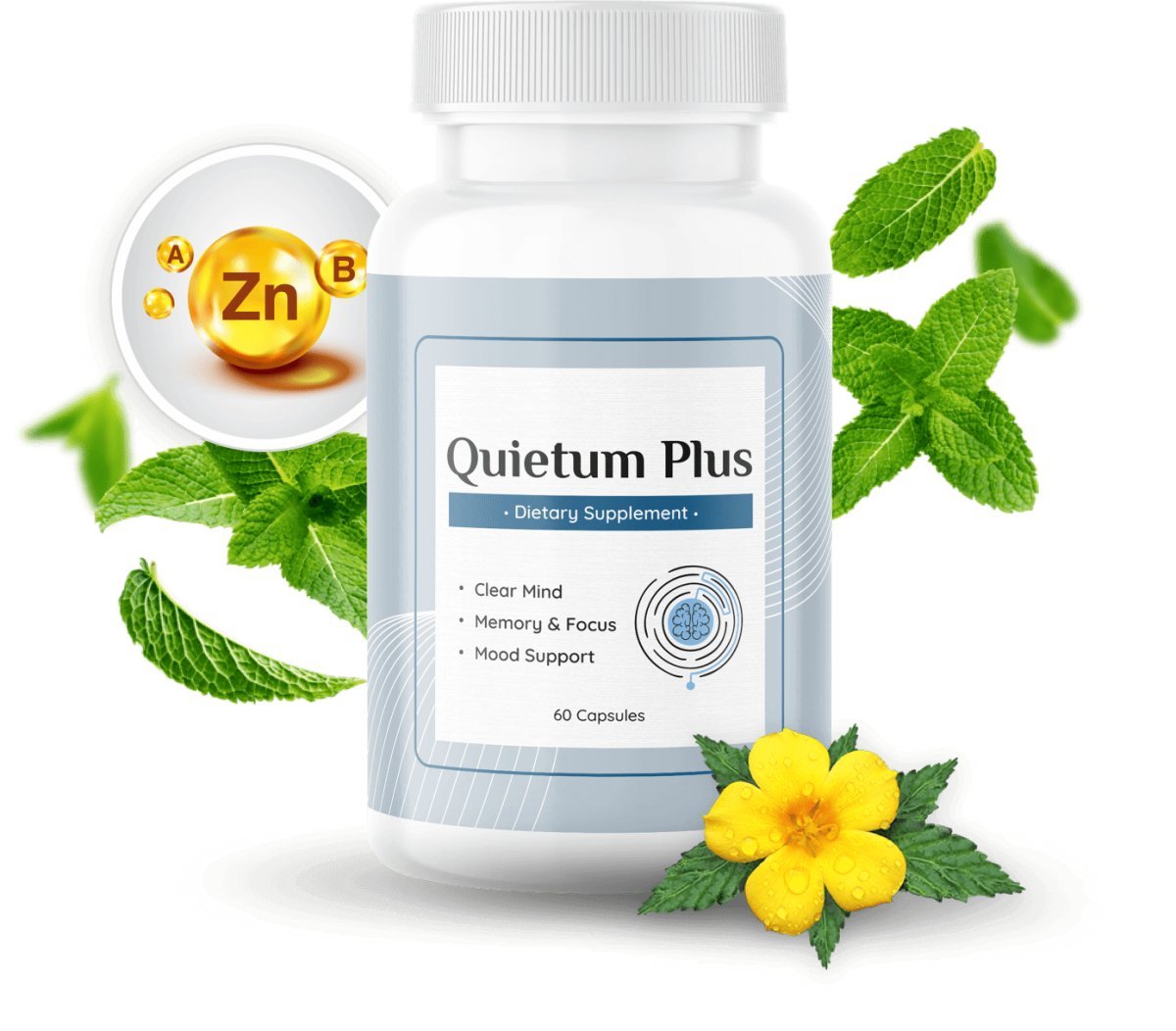
Quietum Plus is a capsule supplement marketed for ear health and hearing. It combines 18 plant extracts with vitamins, zinc and amino acids, and the vendor says it supports nerve function and circulation to the ears; this has not been tested. Designed for those who want a non-invasive way to support their hearing wellness, it focuses on long-term nutritional support rather than instant fixes.
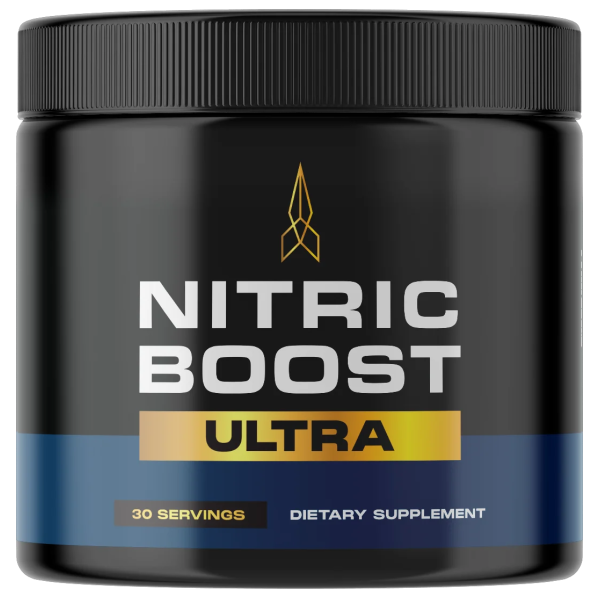
Nitric Boost (labelled Nitric Boost Ultra) is a once-a-day powder sold to men for firmer erections, with beetroot, L-arginine, L-citrulline and five other ingredients in a proprietary blend. This review covers what is in it, what trials show for arginine and citrulline in erectile dysfunction, who should not take it, the prices and the 60-day refund.
Scientific Analysis of Dong Quai
The Complex Mechanism of Action
Dong Quai's possible effects are attributed to a mix of compounds, including phthalides, coumarins, polysaccharides, and organic acids. Among these, ligustilide is considered the most significant marker for quality and potency. This compound and butylidenephthalide are thought to relax smooth muscle, mainly based on laboratory research, which may relate to the herb's traditional use for menstrual cramps.
Phytoestrogenic Activity
One of the most debated mechanisms of Dong Quai is its interaction with estrogen receptors. Some laboratory studies suggest dong quai compounds interact with estrogen receptors, but a placebo-controlled trial in women found no estrogen-like effects on the uterine lining or vaginal cells. Whether it has any meaningful effect on hormones in people has not been established. It has not been shown to balance hormones in women, and it should not be viewed as a safer substitute for hormone therapy.
Circulatory and Hematological Effects
Dong Quai contains ferulic acid and coumarin compounds that may affect blood clotting, but benefits for blood flow have not been shown in human trials. These clotting effects are a reason it may raise bleeding risk with blood thinners, not evidence of heart benefits. Its polysaccharides have been studied for effects on blood cell production in lab and animal research, but it has not been shown to treat anemia or fatigue in people.
Health Benefits and What the Research Shows
1. Relief from Menopausal Symptoms
One of the most common uses for Dong Quai today is the management of menopausal symptoms, particularly hot flashes and night sweats. Clinical studies have tested it both on its own and in multi-herb combinations. In a 24-week placebo-controlled trial of 71 women, dong quai alone (4.5 g of root daily) worked no better than placebo for hot flashes. In the same trial it did not change vaginal cells or the uterine lining, so benefits for vaginal dryness are not established.
2. Menstrual Health and Dysmenorrhea
Dong Quai is traditionally used for painful periods (dysmenorrhea), though good trials of dong quai alone are lacking. Laboratory findings suggest it may relax smooth muscle, but pain relief has not been shown in well-designed human trials. It is also used traditionally for absent or irregular periods, but there is no reliable evidence that it regulates the menstrual cycle.
3. Skin Health and Wound Healing
Dong Quai's potential for skin health has been explored mainly in laboratory research. Lab studies suggest it may affect melanin production, but it has not been shown to treat dark spots or age spots in people. Claims that it speeds wound healing or improves skin conditions are not backed by human trials, and it can make skin more sensitive to sunlight.
4. Cardiovascular Effects
The coumarins in Dong Quai may affect blood vessels and clotting, but benefits for blood pressure or heart function have not been shown in people. There is no human evidence that it protects the arteries or lowers the risk of atherosclerosis.
Scientific Research and Clinical Evidence
While centuries of anecdotal evidence exist, modern clinical trials are still catching up. A 12-week trial of 55 postmenopausal women, published in Clinical and Experimental Obstetrics and Gynecology, found a dong quai and chamomile product reduced hot flushes more than placebo, but it tested a combination, not dong quai alone. Animal studies have examined its polysaccharides and blood cell production, but these findings have not been confirmed in people.
However, researchers emphasize that the quality of the extract matters. Products vary in strength, and clinical trials have not established a standard extract or dose. Larger, well-designed human trials are needed before dong quai can be recommended for any condition.
Potential Side Effects and Safety Considerations
Dong Quai is not suitable for everyone. It contains coumarin compounds and may have blood-thinning effects; in one case report, a woman on warfarin had her INR more than double after taking it for 4 weeks. Individuals taking anticoagulant medications like Warfarin or Aspirin should avoid Dong Quai as it may increase the risk of bleeding. Furthermore, due to its phytoestrogenic nature, it is generally advised that individuals with hormone-sensitive conditions, such as breast or uterine cancer, consult an oncologist before use.
- Photosensitivity: Some users may experience increased sensitivity to sunlight, leading to a higher risk of sunburn or rashes.
- Pregnancy and Breastfeeding: Dong Quai is strictly contraindicated during pregnancy as it may stimulate uterine contractions, potentially leading to miscarriage.
- Digestive Issues: In rare cases, high doses may cause bloating, diarrhea, or nausea.
Frequently Asked Questions
No standard dose has been established; one placebo-controlled trial used 4.5 g of dong quai root daily for 24 weeks and found no benefit for hot flashes. Always follow the manufacturer's label or consult a healthcare professional.
Yes, men can take Dong Quai. Claimed benefits for circulation, heart health and inflammation have not been shown in human trials, and it did not relieve hot flashes in men in a clinical trial. Men with hormone-sensitive conditions, such as some prostate cancers, should talk to their doctor first.
Like many herbal supplements, Dong Quai is not an immediate fix. There is no reliable evidence on how long it takes to work; in a 24-week trial, dong quai alone was no better than placebo for menopausal symptoms.
Some people take Dong Quai with a meal to reduce possible digestive upset; there is no research showing that food improves its absorption.
⚖️ Conclusion
Dong Quai is an important herb in traditional Chinese medicine, particularly for women's reproductive health. However, in a placebo-controlled trial dong quai alone did not relieve hot flashes or show estrogen-like effects, and NCCIH says too little research exists to draw conclusions. Claims about heart health, blood flow and inflammation come mainly from lab and animal studies, not human trials. Overall, human evidence for dong quai is limited and has not shown it to be effective for any condition. However, users must exercise caution due to its potential blood-thinning properties and photosensitivity risks. It is not recommended for pregnant women or those on anticoagulant medications. Dong Quai has a long history of traditional use, but modern studies have not confirmed benefits for hormonal or circulatory health. We recommend consulting a healthcare provider to determine the appropriate dosage for your specific health needs.