
Home » Common Issues » Bleeding Gums
Bleeding Gums: A Comprehensive Guide to Causes, Risks, and Solutions
Learn why your gums bleed and how to stop it. Explore the causes of gingivitis, lifestyle factors, and professional solutions for healthy, pink gums today.
Understanding Bleeding Gums
The Silent Warning: Why Bleeding Gums Demand Your Attention
Many individuals notice a subtle pink tint in the sink after brushing or flossing and dismiss it as a minor consequence of aggressive cleaning. However, in the field of clinical periodontology, bleeding gums are rarely considered normal. They serve as a primary clinical indicator of inflammation, signaling that the delicate balance of the oral microbiome has been disrupted. When gum tissue bleeds, it is essentially a distress signal from your immune system, suggesting that bacteria are infiltrating the soft tissues and potentially the underlying structures that support your teeth. Ignoring this sign can lead to a cascade of oral health issues, ranging from persistent halitosis to the eventual loss of teeth.
The Primary Culprit: Gingivitis and Plaque Accumulation
The most common cause of bleeding gums is the accumulation of dental plaque at the gumline. Plaque is a sticky, colorless film of bacteria that constantly forms on the teeth. If not removed through meticulous daily hygiene, these bacteria produce toxins that irritate the gingival tissue, leading to a condition known as gingivitis. During this initial stage of gum disease, the gums become inflamed, swollen, and prone to bleeding during mechanical stimulation. The good news is that gingivitis is typically reversible with professional intervention and improved home care. However, if left untreated, the plaque hardens into tartar (calculus), a substance that can only be removed by a dental professional. Tartar acts as a reservoir for even more bacteria, further exacerbating the inflammatory response.
The Progression to Periodontitis
When gingivitis is ignored, it can progress to periodontitis, a more severe and destructive form of gum disease. At this stage, the inner layer of the gum and bone pull away from the teeth to form pockets. These small spaces between teeth and gums collect debris and can become infected. The body's immune system fights the bacteria as the plaque spreads and grows below the gum line. Toxins produced by the bacteria and the body's natural response to infection start to break down the bone and connective tissue that hold teeth in place. As the disease progresses, the pockets deepen and more gum tissue and bone are destroyed. Eventually, teeth are no longer anchored in place, they become loose, and tooth loss occurs. This progression highlights why addressing bleeding at the earliest possible stage is critical for long-term oral health.
Beyond Hygiene: Systemic and Lifestyle Factors
While oral hygiene is the cornerstone of gum health, several systemic and lifestyle factors can contribute to bleeding gums. Smoking and tobacco use are significant risk factors; tobacco use interferes with the normal function of gum tissue cells and restricts blood flow, which can mask the symptoms of gum disease while simultaneously making it harder for the body to fight off infections. Furthermore, chronic stress can impair the immune system, making it more difficult for your body to ward off the bacteria that cause gingivitis. Diabetes is another critical factor; people with poorly controlled blood sugar are at a higher risk of developing infections, including periodontal disease. The relationship is often bidirectional, meaning that severe gum disease can also make it more difficult to manage blood glucose levels.
Hormonal Shifts and Pregnancy Gingivitis
Hormonal fluctuations can significantly impact how your gums respond to plaque. Women may experience bleeding gums during puberty, menstruation, pregnancy, and menopause. Pregnancy gingivitis is a well-documented condition caused by increased levels of progesterone, which makes the gums more sensitive to the bacteria in plaque. This can result in swelling and bleeding, even in women who previously had excellent oral health. It is vital for expectant mothers to maintain rigorous oral hygiene and attend regular dental checkups to prevent this temporary inflammation from developing into a more serious condition that could potentially affect systemic health.
Nutritional Deficiencies and Oral Health
Your diet plays a fundamental role in the structural integrity of your gingival tissues. Vitamin C deficiency, although rare in developed nations, can lead to inflamed and bleeding gums as the body struggles to produce collagen, a vital component of connective tissue. Similarly, Vitamin K is essential for proper blood clotting. A deficiency in this nutrient can cause gums to bleed more easily, even without significant plaque buildup. Incorporating a variety of leafy greens, citrus fruits, and lean proteins can provide the necessary building blocks for healthy gum tissue and a robust immune response.
Medications and Their Side Effects
Certain medications can increase the likelihood of bleeding gums. Blood thinners (anticoagulants) and antiplatelet drugs are designed to prevent clots, but a common side effect is increased bleeding from the gums during brushing. Additionally, some medications used for high blood pressure or epilepsy can cause gingival hyperplasia, an overgrowth of gum tissue that makes plaque removal more difficult and increases the risk of inflammation. If you suspect your medication is contributing to gum issues, it is important to consult with your physician rather than discontinuing the treatment on your own.
Best Practices for Long-Term Prevention
Preventing bleeding gums requires a commitment to both mechanical cleaning and biological support. Using a soft-bristled toothbrush and a technique that focuses on the gumline is essential to avoid physical trauma to the tissues. Daily flossing or the use of interdental brushes is non-negotiable, as these tools reach the areas between teeth where a standard toothbrush cannot penetrate. Antimicrobial mouthwashes can also serve as an adjunct to mechanical cleaning by reducing the overall bacterial load in the mouth. Finally, regular professional dental cleanings every six months are the most effective way to remove tartar and monitor for early signs of disease, ensuring that minor bleeding does not evolve into a major health crisis.
Top Recommended Products for Bleeding Gums
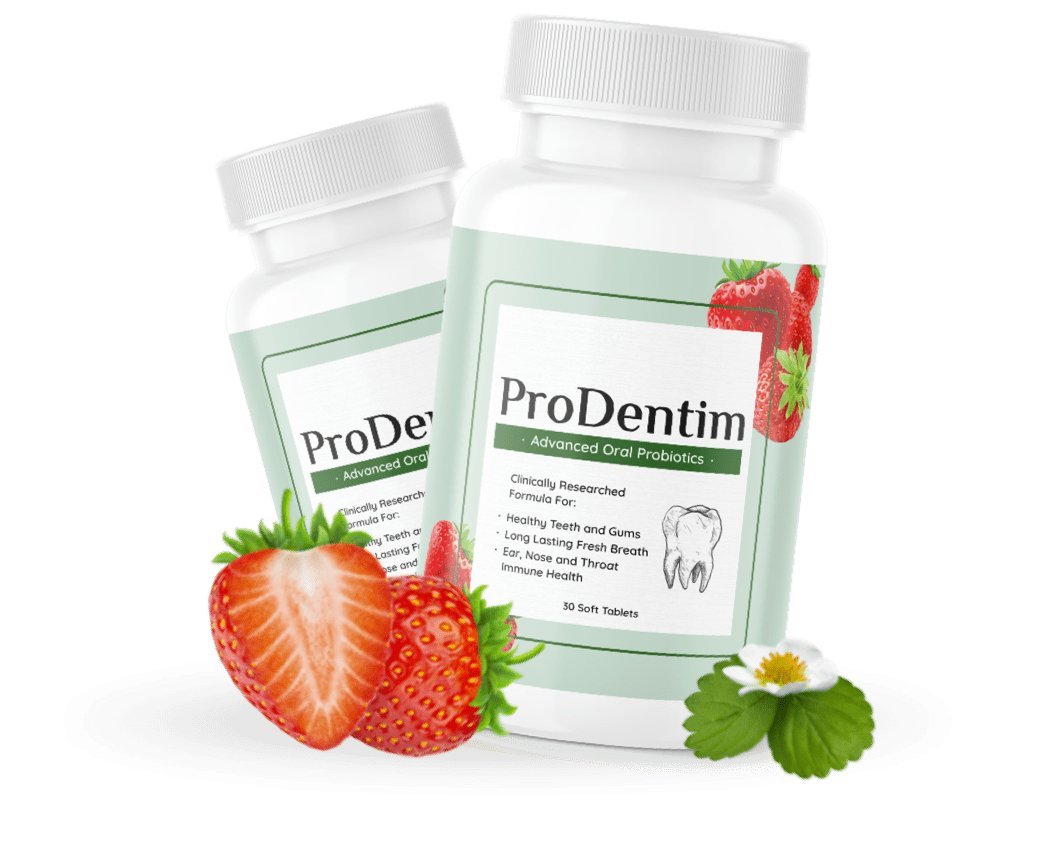
ProDentim is a premium oral probiotic designed to restore the mouth’s natural microbiome. By introducing 3.5 billion beneficial bacteria, it promotes healthier gums and fresher breath. Perfect for individuals seeking advanced dental support, this formula helps maintain tooth health and a brighter smile.
Frequently Asked Questions
While common, bleeding while flossing is not considered healthy. It usually indicates that plaque has been left at the gumline for too long, causing inflammation. If you continue to floss daily, the bleeding should subside within a week or two as the tissues heal. If it persists, consult a dentist.
Yes, chronic stress increases cortisol levels, which can suppress the immune system and make it harder for your body to fight off the bacteria that cause gum inflammation. Stress also often leads to neglected oral hygiene and teeth grinding, both of which can exacerbate gum issues.
Vitamin C is crucial for collagen production and tissue repair, while Vitamin K is essential for proper blood clotting. Additionally, Vitamin D and Calcium support the health of the bone that holds your teeth in place. Always consult with a healthcare provider before starting new supplements.
You should schedule an appointment if your gums bleed regularly during brushing or flossing, if they appear red or swollen, if you notice gum recession, or if you have persistent bad breath. Early intervention can prevent the progression from gingivitis to irreversible periodontitis.
⚖️ Conclusion
Addressing bleeding gums requires a proactive and multifaceted approach to oral hygiene. While it is easy to dismiss occasional bleeding as a result of aggressive brushing, it is almost always a clinical sign of underlying inflammation or infection. The primary takeaway is that healthy gums do not bleed. By prioritizing consistent flossing, using a soft-bristled toothbrush, and maintaining a diet rich in essential vitamins like Vitamin C and K, you can significantly reduce the risk of periodontal disease. However, home care is only one half of the equation. Professional dental cleanings are essential to remove calcified plaque, known as tartar, which cannot be brushed away at home. If you notice persistent bleeding, swelling, or persistent bad breath, it is imperative to consult a dental professional immediately. Early intervention is the most effective way to prevent the progression from reversible gingivitis to permanent periodontitis. Your oral health is a gateway to your overall systemic health, and taking care of your gums is a vital step in maintaining long-term wellness and preventing inflammatory complications throughout the body.
Related Issues
Explore other topics related to Bleeding Gums.