
Home » Common Issues » General Auditory Wellness
The Comprehensive Guide to General Auditory Wellness and Hearing Longevity
Learn how to protect your hearing and maintain auditory wellness. Explore tips on noise prevention, nutrition, and professional care for optimal ear health.
Understanding General Auditory Wellness
The Vital Importance of Auditory Wellness
Auditory wellness is often the most neglected aspect of our overall health regimen. While we diligently track our steps, monitor our cardiovascular health, and focus on visual acuity, our hearing frequently falls to the wayside until a significant problem arises. General auditory wellness encompasses far more than just the ability to hear sounds; it involves the complex biological maintenance of the ear structure, the neurological processing of sound waves, and the preventative measures we take to shield ourselves from an increasingly noisy world. In our modern environment, where personal audio devices and urban noise pollution are omnipresent, understanding how to preserve our hearing is essential for maintaining a high quality of life as we age.
Hearing loss is often a gradual, painless process, which makes it particularly insidious. We may not notice the slow degradation of the microscopic hair cells within the cochlea until we find ourselves asking others to repeat themselves or turning up the television to levels that others find uncomfortable. By prioritizing auditory wellness today, we are not just protecting our ears; we are safeguarding our ability to communicate, our social connections, and even our cognitive function. Emerging research has consistently shown a strong correlation between untreated hearing loss and an increased risk of cognitive decline and dementia, making ear health a critical component of long-term neurological wellness.
Understanding the Mechanics of Sound and Ear Health
To truly appreciate auditory wellness, one must understand the delicate machinery of the ear. Sound travels as pressure waves through the air, entering the outer ear and vibrating the eardrum. These vibrations are then amplified by the three smallest bones in the human body—the malleus, incus, and stapes—located in the middle ear. Finally, these vibrations reach the fluid-filled cochlea in the inner ear, where thousands of tiny hair cells, known as cilia, convert the mechanical energy into electrical signals that the brain interprets as sound. These hair cells are the most vulnerable part of our auditory system. Unlike skin or bone cells, human hair cells do not regenerate once they are damaged or destroyed. This biological reality is the primary reason why prevention is the cornerstone of auditory health.
Identifying and Mitigating Environmental Hazards
The primary threat to auditory wellness in the 21st century is noise-induced hearing loss (NIHL). We are surrounded by sounds that exceed safe decibel levels, often without realizing the cumulative damage they cause. A normal conversation typically registers at 60 decibels, which is perfectly safe. However, prolonged exposure to sounds above 85 decibels—such as heavy city traffic, lawnmowers, or loud restaurants—can begin to cause permanent damage. The risk increases exponentially as the volume rises; for instance, a rock concert or a chainsaw can reach 110 to 120 decibels, where damage can occur in mere minutes.
Practicing auditory wellness means being proactive about these environments. This includes carrying high-fidelity earplugs to concerts, using noise-canceling headphones to avoid cranking up the volume in noisy environments, and being mindful of the 60/60 rule: listening to personal audio devices at no more than 60% of the maximum volume for no more than 60 minutes at a time. By creating a physical barrier between our ears and excessive noise, we provide our auditory system with the protection it needs to function optimally for decades.
The Role of Nutrition and Lifestyle in Hearing Preservation
While external protection is vital, internal support through nutrition also plays a significant role in general auditory wellness. The inner ear is highly metabolic and relies on robust blood flow and antioxidant protection to function. Specific nutrients have been linked to a lower risk of hearing loss. For example, Magnesium has been shown to act as a protective barrier against noise-induced damage by inhibiting the release of excessive glutamate, which can stress hair cells. Zinc is another essential mineral, concentrated in the cochlea, which supports the immune system and may help reduce the symptoms of tinnitus.
Furthermore, Omega-3 fatty acids, commonly found in fish oil, contribute to healthy blood flow to the delicate vessels of the ear. Conversely, poor cardiovascular health, often driven by high blood pressure or smoking, can restrict blood flow to the ears, leading to accelerated hearing loss. Therefore, a lifestyle that supports heart health—regular exercise, a balanced diet, and the avoidance of tobacco—is inherently a lifestyle that supports auditory wellness. Even staying hydrated is important, as the fluid in the cochlea requires proper systemic hydration to maintain the correct pressure and chemistry for sound transmission.
Recognizing Early Warning Signs and Seeking Professional Help
One of the most important aspects of a wellness mindset is the ability to recognize when something is wrong. Early signs of auditory strain often include a persistent ringing in the ears (tinnitus), a feeling of fullness or pressure in the ear canal, or the "cocktail party effect," where you can hear someone speaking but struggle to distinguish their words from background noise. If you find that speech sounds muffled or that you are increasingly relying on visual cues like lip-reading, it is time to consult an audiologist. Regular hearing screenings should be part of your annual health checkup, especially after the age of 50. These tests provide a baseline that allows professionals to track changes over time and intervene before the loss becomes debilitating. Modern interventions, ranging from advanced hearing aids to cochlear implants, are far more effective when implemented early, helping the brain maintain its ability to process complex auditory information.
Top Recommended Products for General Auditory Wellness
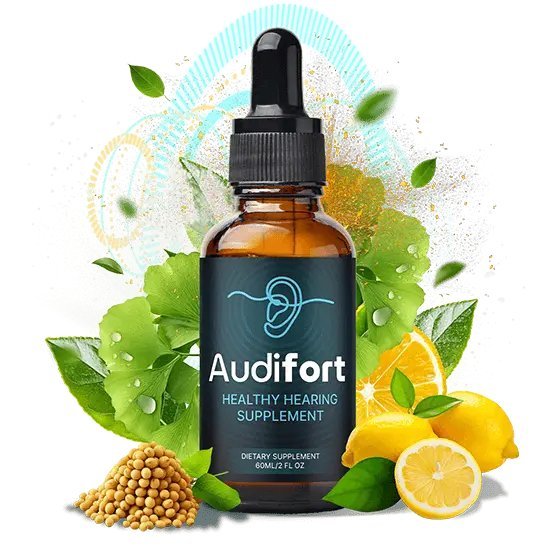
Audifort is a cutting-edge dietary supplement specifically engineered to support auditory health and provide relief from the persistent ringing of tinnitus. In this detailed look at Audifort Reviews, we explore how its unique blend of natural botanical extracts and essential minerals works synergistically to protect the delicate structures of the inner ear. Designed for those struggling with age-related hearing decline or noise-induced auditory stress, Audifort focuses on improving blood circulation to the ears and reducing oxidative damage. Whether you are looking to sharpen your hearing or quiet the internal noise, Audifort provides a science-backed pathway to better auditory clarity and long-term ear health maintenance.

ZenCortex has emerged as a leading name in the auditory health industry, promising a holistic approach to ear health and cognitive function. This liquid supplement is designed for individuals who are tired of the constant ringing, buzzing, or muffled sounds that often accompany aging or environmental exposure. In these ZenCortex Reviews, we dive deep into the science behind the formula, which combines over 20 potent plant-based ingredients. Unlike traditional pills, ZenCortex offers a highly bioavailable liquid dropper format, ensuring that the body absorbs the nutrients quickly for maximum efficacy. Whether you are looking to sharpen your mental focus or protect your delicate auditory system from oxidative stress, ZenCortex claims to provide the 360-degree support you need.
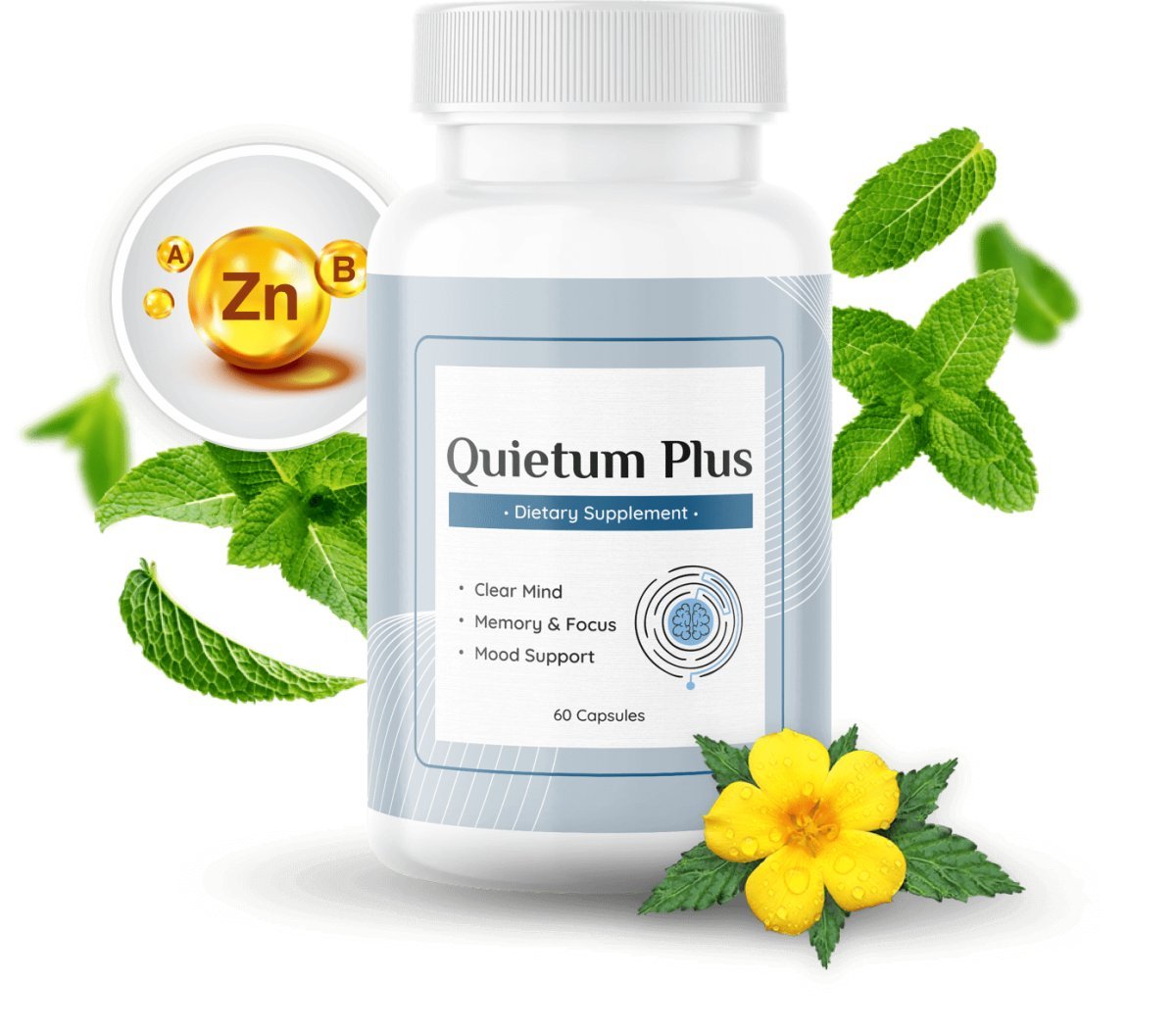
Quietum Plus is a natural dietary supplement formulated to support ear health and auditory function. By utilizing a blend of 18 plant-based ingredients, it aims to assist the body in maintaining healthy nerve function and blood circulation to the ears. Designed for those who want a non-invasive way to support their hearing wellness, it focuses on long-term nutritional support rather than instant fixes.
Frequently Asked Questions
For most adults, a baseline hearing test is recommended once every three to five years. However, if you are over the age of 50, work in a high-noise environment, or notice symptoms like tinnitus, you should transition to an annual screening to monitor for changes.
Generally, yes. Noise-canceling headphones reduce the background ambient noise, which allows you to listen to your music or podcasts at a lower, safer volume. Earbuds, especially those without a good seal, often lead users to turn the volume up to dangerous levels to drown out external sounds.
Earwax (cerumen) buildup can cause temporary conductive hearing loss and discomfort, but it rarely causes permanent damage unless it is pushed deep against the eardrum with a cotton swab. You should never insert objects into your ear canal; instead, seek professional cleaning if you suspect a blockage.
The 60/60 rule is a simple guideline for using headphones: listen at no more than 60% of the device's maximum volume for no more than 60 minutes at a time. After an hour, give your ears a break to recover from the constant vibration and pressure.
⚖️ Conclusion
Auditory wellness is a fundamental pillar of overall health that is frequently neglected in standard medical checkups. Our hearing allows us to navigate social environments, enjoy the nuances of music, and remain alert to environmental hazards. However, the modern world is increasingly noisy, placing our delicate auditory systems under constant strain. To preserve your hearing for the long term, you must adopt a multi-faceted approach that combines physical protection with proactive lifestyle choices. This means wearing high-quality ear protection in loud environments, adhering to the 60/60 rule when using personal audio devices, and nourishing your body with vitamins that support nerve health and blood flow to the inner ear. Furthermore, regular screenings with an audiologist should be treated with the same importance as an annual physical or eye exam. By identifying changes early, you can implement interventions that prevent further degradation. Ultimately, hearing health is about maintaining your quality of life and staying connected to the people and experiences you love. Do not wait for silence or ringing to start caring for your ears; the best time to protect your hearing is right now.
Related Issues
Explore other topics related to General Auditory Wellness.