
Home » Ingredients » Ginger Root
Ginger Root: The Comprehensive Guide to its Health Benefits and Science
Ginger root is a potent bioactive rhizome celebrated for its anti-inflammatory and digestive properties. Derived from the Zingiber officinale plant, it is widely used in supplements to combat nausea and support joint health.
Benefits of Ginger Root
The Origins and History of Ginger Root
Ginger root, scientifically known as Zingiber officinale, is a flowering plant whose rhizome (underground stem) has been utilized for millennia as both a culinary spice and a cornerstone of traditional medicine. Originating in the lush tropical rainforests of Southeast Asia, ginger was among the first spices to be exported from the Orient, reaching the Mediterranean via the lucrative spice trade routes of the ancient Greeks and Romans. Historically, it has held a prestigious place in Ayurvedic medicine in India and Traditional Chinese Medicine (TCM), where it was revered as a 'universal medicine' capable of balancing the body's internal energies.
Botany and Traditional Use
As a member of the Zingiberaceae family, ginger is closely related to other powerful medicinal herbs like turmeric and cardamom. The plant produces aesthetic green stalks and yellow flowers, but its therapeutic power resides entirely within the knotted, fibrous rhizome. For centuries, maritime cultures used ginger to combat seasickness, while ancient herbalists prescribed it for ailments ranging from digestive distress and respiratory congestion to chronic pain and inflammation. Today, ginger has transitioned from ancient folklore into the realm of modern clinical science, becoming one of the most widely researched and consumed dietary supplements in the global market.
Top Rated Supplements with Ginger Root
Discover top-rated products that utilize clinical doses of Ginger Root as a core ingredient.
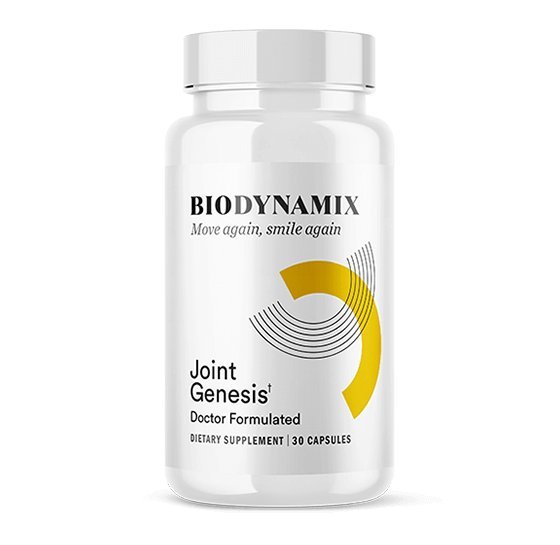
Joint Genesis is a dietary supplement designed by BioDynamix to support joint health by focusing on the quality of synovial fluid, often referred to as 'joint jelly.' Unlike many traditional supplements that focus solely on cartilage, this formula aims to maintain the thickness and lubricating properties of the fluid that cushions your joints. It is primarily formulated for older adults or those experiencing the common stiffness associated with aging and daily physical activity.
Scientific Analysis of Ginger Root
The Mechanism of Action: How Ginger Works in the Body
The therapeutic efficacy of ginger root is primarily attributed to its rich concentration of bioactive compounds, most notably gingerols, shogaols, and zingerone. Gingerol is the primary pungent component of fresh ginger and is structurally related to capsaicin and piperine. When ginger is dried or heated, gingerols are converted into shogaols, which are even more potent in their biological activity.
Anti-Inflammatory and Antioxidant Pathways
At the molecular level, ginger acts as a powerful anti-inflammatory agent by inhibiting the enzymes cyclooxygenase (COX) and lipoxygenase (LOX). By suppressing these enzymes, ginger reduces the production of pro-inflammatory prostaglandins and leukotrienes, which are key drivers of pain and swelling in the body. Furthermore, ginger has been shown to modulate the NF-κB signaling pathway, a master regulator of the immune response, thereby preventing the overproduction of inflammatory cytokines. Its antioxidant capacity is equally impressive; ginger helps neutralize free radicals and increases the body's levels of endogenous antioxidants like glutathione, protecting cells from oxidative stress-induced damage.
Proven Health Benefits and Clinical Research
1. Gastrointestinal Health and Nausea Relief
Perhaps the most well-established benefit of ginger is its ability to alleviate nausea. Clinical research has consistently demonstrated that ginger is highly effective against various forms of emesis. It works by acting as an antagonist to 5-HT3 receptors in the digestive tract and by stimulating antral contractions, which speeds up gastric emptying. This makes it particularly useful for:
- Pregnancy-Induced Nausea: Numerous meta-analyses have found that ginger significantly reduces the severity of morning sickness with a safety profile comparable to or better than standard anti-nausea medications.
- Chemotherapy-Induced Nausea: When used as an adjunct to standard anti-emetic therapy, ginger helps reduce the delayed phase of nausea in cancer patients.
- Post-Operative Recovery: Studies show that ginger can reduce the incidence of nausea and vomiting following surgical procedures.
2. Osteoarthritis and Joint Pain Management
Ginger's anti-inflammatory properties make it a popular choice for individuals suffering from degenerative joint diseases. A landmark study published in the journal Arthritis & Rheumatism found that a highly concentrated ginger extract significantly reduced pain and stiffness in patients with osteoarthritis of the knee. Unlike many non-steroidal anti-inflammatory drugs (NSAIDs), ginger provides these benefits with a much lower risk of gastrointestinal bleeding or kidney distress.
3. Glycemic Control and Metabolic Health
Emerging research suggests that ginger may play a vital role in managing type 2 diabetes. In a 2015 randomized controlled trial, participants who consumed 2 grams of ginger powder daily saw a 12% reduction in fasting blood sugar and a 10% improvement in HbA1c (a marker for long-term blood sugar levels). The mechanism appears to involve the inhibition of enzymes that break down carbohydrates and the improvement of insulin sensitivity in muscle cells.
4. Menstrual Pain (Dysmenorrhea)
Ginger has been found to be remarkably effective in treating primary dysmenorrhea. In several clinical trials, ginger was shown to be as effective as common painkillers like ibuprofen and mefenamic acid when taken during the first few days of the menstrual period. Because it addresses the root cause—excess prostaglandin production—it offers a natural alternative for monthly pain management.
5. Cardiovascular Health
Ginger may contribute to heart health by lowering levels of LDL (bad) cholesterol and triglycerides. Some studies indicate that ginger can interfere with the absorption of cholesterol and promote its excretion through bile. Additionally, ginger possesses mild anti-platelet properties, which can help maintain healthy blood flow and reduce the risk of clot formation.
Safety, Side Effects, and Dosage Considerations
Ginger is generally recognized as safe (GRAS) by the FDA when consumed in typical dietary amounts. In supplement form, dosages typically range from 500 mg to 2,000 mg per day. While well-tolerated by most, some individuals may experience mild side effects, including:
- Heartburn or acid reflux, especially when taken in powder form on an empty stomach.
- Mild diarrhea or abdominal discomfort.
- A peppery taste in the mouth or throat.
Precautions and Interactions
Due to its mild blood-thinning effects, individuals taking anticoagulant or antiplatelet medications (such as Warfarin or Aspirin) should consult a physician before starting a ginger regimen. Similarly, those with gallstones should exercise caution, as ginger may stimulate bile production. Pregnant women are generally advised to limit ginger intake to 1,000 mg to 1,500 mg per day and should always consult their healthcare provider before use.
Conclusion
Ginger root remains one of the most versatile and scientifically validated botanical ingredients in the world of nutrition. Whether used for acute digestive relief or chronic inflammatory support, its multi-faceted mechanism of action provides a holistic approach to wellness that few other single ingredients can match.
Frequently Asked Questions
For digestive issues or nausea, it is best taken 30 minutes before meals. For general anti-inflammatory benefits, it can be taken at any time, though taking it with food may reduce the risk of mild heartburn.
Yes, ginger may have a mild calcium-channel blocking effect which could lower blood pressure. If you are on antihypertensive medication, monitor your levels closely and consult your doctor.
Both have benefits. Supplements often provide a standardized dose of gingerols, which is better for clinical therapeutic targets like joint pain. Fresh ginger contains more gingerol, while dried ginger (often in capsules) contains more shogaol, which is more potent for certain anti-inflammatory pathways.
Most clinical studies use doses between 1,000 mg and 2,000 mg per day. It is generally recommended not to exceed 4,000 mg (4 grams) of ginger from all sources per day to avoid gastrointestinal irritation.
⚖️ Conclusion
Ginger root stands as one of the most empirically supported botanical supplements available today, transitioning from a staple of traditional medicine to a clinically validated therapeutic agent. Scientific research consistently highlights its efficacy in managing gastrointestinal distress, particularly nausea associated with pregnancy, chemotherapy, and motion sickness. Beyond digestion, its potent anti-inflammatory properties—driven by the inhibition of cyclooxygenase and lipoxygenase pathways—make it a viable natural alternative for those suffering from chronic joint pain or exercise-induced muscle soreness. Emerging data also suggests promising roles in glycemic control and lipid metabolism, though more long-term human trials are necessary to solidify these specific applications. For the average consumer, ginger root offers a high safety profile and significant versatility. We recommend choosing a standardized extract containing at least 5% gingerols to ensure potency. While generally safe, individuals on anticoagulant therapy or those with gallstones should exercise caution and consult a healthcare professional. Ultimately, ginger remains a foundational supplement for anyone looking to naturally support their digestive health and systemic inflammatory response through a well-tolerated, plant-based intervention.