
Home » Ingredients » Manganese
Manganese: The Essential Trace Mineral for Bone Strength and Metabolic Vitality
Manganese is an essential trace mineral required for numerous biological processes, including bone formation, blood clotting, and cellular metabolism. It serves as a vital cofactor for several enzymes, most notably the antioxidant superoxide dismutase.
Benefits of Manganese
What is Manganese?
Manganese is a trace mineral that the human body requires in small amounts for various physiological functions. While it is often overshadowed by minerals like calcium or iron, it is no less critical to human health. Manganese is not found as a free element in nature; it is often found in combination with iron and other minerals. In the human body, it is primarily stored in the bones, liver, pancreas, and kidneys, where it facilitates a wide range of chemical reactions.
Origins and Discovery
The name manganese comes from the Latin word 'magnes,' meaning magnet, due to its confusion with magnetic ores in ancient times. It was first isolated as a distinct element in 1774 by the Swedish chemist Johan Gottlieb Gahn. However, it wasn't until the early 20th century that scientists began to understand its nutritional importance. In 1931, researchers discovered that manganese was essential for growth and reproduction in animals, leading to its eventual classification as an essential nutrient for humans. Today, it is sourced primarily from diet—found abundantly in whole grains, legumes, nuts, and leafy green vegetables—and is a staple in high-quality multi-mineral supplements.
Top Rated Supplements with Manganese
Discover top-rated products that utilize clinical doses of Manganese as a core ingredient.
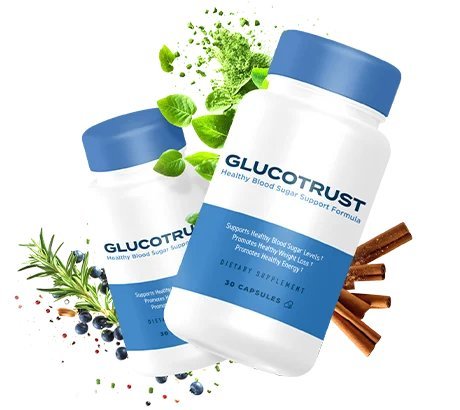
GlucoTrust is a dietary supplement designed to support healthy blood sugar levels and improve sleep quality using a blend of natural ingredients. Aimed at individuals looking for a holistic way to manage their metabolic health alongside diet and exercise, it focuses on the connection between restorative rest and hormonal balance. While not a replacement for medical treatment, it offers a lifestyle-oriented approach to wellness.
Scientific Analysis of Manganese
Mechanism of Action: How Manganese Works in the Body
Manganese functions primarily as an enzymatic cofactor or as a constituent of metalloenzymes. This means it acts as a 'helper molecule' that triggers or accelerates chemical reactions necessary for life. One of its most critical roles is as a component of the enzyme manganese superoxide dismutase (MnSOD). MnSOD is the principal antioxidant enzyme located within the mitochondria—the powerhouses of our cells. It neutralizes superoxide radicals, which are toxic byproducts of energy production, thereby protecting cells from oxidative stress and DNA damage.
Beyond its antioxidant role, manganese is vital for the metabolism of macronutrients. It activates enzymes involved in the metabolism of carbohydrates, amino acids, and cholesterol. For instance, it is a cofactor for the enzyme pyruvate carboxylase, which is essential for gluconeogenesis—the process by which the body creates glucose from non-carbohydrate sources. Furthermore, it plays a role in the urea cycle, helping the body detoxify ammonia, a byproduct of protein breakdown.
Proven Health Benefits and Scientific Research
Bone Health and Osteoporosis Prevention
Manganese is indispensable for the formation of bone cartilage and bone collagen. Research suggests that manganese, when taken in combination with calcium, zinc, and copper, can help improve bone mineral density, particularly in postmenopausal women. A landmark study published in the Journal of Nutrition demonstrated that women who received a combination of these minerals showed significant improvements in spinal bone density compared to those who took calcium alone. This suggests that while calcium is the building block, manganese acts as a critical architect in maintaining skeletal integrity.
Metabolic Health and Blood Sugar Regulation
Manganese plays a complex role in glucose metabolism. The pancreas contains high concentrations of manganese, which is involved in the production and secretion of insulin. Scientific studies have observed that individuals with lower levels of manganese in their blood are more likely to have glucose intolerance or type 2 diabetes. While more clinical trials are needed to determine if supplementation can treat diabetes, the current evidence highlights manganese's role in stabilizing blood sugar levels and supporting healthy insulin sensitivity.
Wound Healing and Collagen Production
One of the lesser-known benefits of manganese is its contribution to wound healing. Manganese is required for the activation of prolidase, an enzyme that provides the amino acid proline for collagen formation in human skin cells. Collagen is the structural protein that provides strength and elasticity to the skin and connective tissues. Without adequate manganese, the body may struggle to repair tissues effectively after injury or surgery.
Brain Health and Neuroprotection
The brain requires manganese for several functions, including the synthesis of neurotransmitters and the protection of neurons from oxidative damage. Manganese is a cofactor for glutamine synthetase, which converts the excitatory neurotransmitter glutamate into glutamine. This regulation is crucial because an excess of glutamate can lead to excitotoxicity, a condition where nerve cells are damaged or killed by overstimulation. However, the relationship between manganese and the brain is delicate, as both deficiency and excess can lead to neurological issues.
Safety, Side Effects, and Toxicity
While manganese is essential, it is a mineral where 'more' is not necessarily 'better.' The human body has efficient homeostatic mechanisms to regulate manganese levels, primarily through biliary excretion. However, excessive intake—usually through industrial exposure or very high-dose long-term supplementation—can lead to toxicity known as manganism. Symptoms of manganism resemble Parkinson's disease, including tremors, difficulty walking, and facial muscle spasms.
For the general population, the Tolerable Upper Intake Level (UL) for manganese is set at 11 mg per day for adults. Most people easily reach the Recommended Dietary Allowance (RDA) of 1.8 to 2.3 mg through a balanced diet. Side effects at standard supplemental doses are rare but may include mild digestive upset. Individuals with chronic liver disease should exercise caution, as the liver is the primary organ responsible for clearing excess manganese from the body.
Frequently Asked Questions
The Recommended Dietary Allowance (RDA) for manganese is 2.3 mg for adult men and 1.8 mg for adult women. Pregnant and lactating women may require slightly more, approximately 2.0 to 2.6 mg per day.
Yes, most people can meet their manganese needs through a diet rich in whole grains, nuts (like hazelnuts and pecans), legumes, spinach, and tea. However, those with specific malabsorption issues or restricted diets may benefit from supplementation.
Manganese can interact with certain medications. It may decrease the absorption of antibiotics like quinolones and tetracyclines if taken at the same time. Additionally, taking manganese with antacids or laxatives containing magnesium may interfere with its absorption.
Manganese is best taken with a meal to enhance absorption and minimize the potential for stomach upset. It is often included in multi-mineral or bone-support formulas.
⚖️ Conclusion
Manganese is an essential trace mineral that serves as a cornerstone for several vital biological systems. Its role as a cofactor for the antioxidant enzyme superoxide dismutase makes it a primary defender against cellular oxidative stress, while its contribution to bone mineralization and collagen synthesis ensures structural health throughout the lifespan. Scientific research consistently supports its inclusion in bone-health regimens, particularly when paired with calcium and zinc. Furthermore, its influence on glucose metabolism and neurotransmitter regulation underscores its importance for metabolic and neurological stability. While deficiency is relatively rare in the modern diet, ensuring adequate intake is crucial for long-term wellness. However, because the window between therapeutic benefit and potential toxicity is narrower than that of many other minerals, users should stick to the recommended daily allowance and avoid excessive high-dose supplementation unless directed by a healthcare professional. For most individuals, a balanced diet or a standard multi-mineral supplement provides the ideal amount of manganese to support peak physiological function without risk. It remains a highly recommended nutrient for those focusing on skeletal integrity and antioxidant support.