
Home » Ingredients » Milk Thistle
Milk Thistle: The Ultimate Natural Liver Guard and Detoxifier
Milk thistle is a powerful herbal supplement derived from the Silybum marianum plant, renowned for its potent liver-protecting and antioxidant properties. Its primary active component, silymarin, is widely used to support detoxification and metabolic health.
Benefits of Milk Thistle
The Botanical Origins of Milk Thistle
Milk thistle, known scientifically as Silybum marianum, is a flowering herb that belongs to the Asteraceae family, the same family as daisies and ragweed. It is native to the Mediterranean regions of Europe, North Africa, and the Middle East, though it has since naturalized in many other parts of the world, including North America. The plant is easily identifiable by its prickly green leaves featuring distinctive white veins, which according to legend, were caused by a drop of the Virgin Mary's milk—hence the common name 'Milk Thistle'.
A Legacy of Traditional Healing
The medicinal use of milk thistle dates back over 2,000 years. Ancient Greek botanist Dioscorides and Roman naturalist Pliny the Elder both documented its use for supporting bile flow and treating liver-related ailments. Throughout the Middle Ages, it remained a staple in European herbalism, often utilized to treat 'melancholy' and various obstructions of the liver and spleen. In the modern era, milk thistle has transitioned from a traditional remedy to one of the most heavily researched botanical ingredients in the world, with hundreds of clinical trials investigating its efficacy in modern hepatology and metabolic science.
Top Rated Supplements with Milk Thistle
Discover top-rated products that utilize clinical doses of Milk Thistle as a core ingredient.
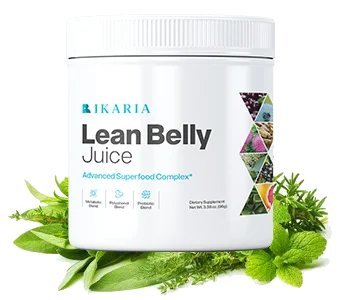
Ikaria Juice is a natural dietary supplement inspired by the longevity and lifestyle of the residents of Ikaria, Greece. It is formulated as a convenient powder that blends easily into water or your favorite beverage. Designed for adults looking to support their metabolic health, this formula focuses on addressing internal factors like uric acid levels that may hinder weight management efforts. It aims to provide a gentle, nutrient-rich approach to wellness without the use of harsh stimulants.
Scientific Analysis of Milk Thistle
The Science of Silymarin: Mechanism of Action
The therapeutic power of milk thistle is not found in the whole plant, but concentrated within its seeds. These seeds contain a complex of flavonolignans collectively known as silymarin. Silymarin is composed of several active compounds, including silybin (the most potent and abundant), isosilybin, silychristin, and silydianin. These compounds work synergistically to provide multi-faceted health benefits.
At a cellular level, silymarin functions through several distinct mechanisms:
- Antioxidant Scavenging: Silymarin increases the production of glutathione, the body's master antioxidant, while directly neutralizing reactive oxygen species (ROS) that cause cellular damage.
- Protein Synthesis Stimulation: It stimulates RNA polymerase I in the liver, which promotes the synthesis of structural and functional proteins, essentially aiding the liver in regenerating damaged tissue.
- Anti-inflammatory Activity: Silymarin inhibits the NF-kB pathway, a major trigger for inflammation, thereby reducing the production of pro-inflammatory cytokines.
- Cell Membrane Stabilization: It alters the outer structure of liver cell membranes, preventing toxins (such as alcohol or pollutants) from binding to or entering the cells.
Proven Health Benefits and Clinical Research
1. Liver Health and Detoxification
The most well-documented benefit of milk thistle is its role in liver health. It is frequently used as a complementary therapy for conditions such as Non-Alcoholic Fatty Liver Disease (NAFLD), alcoholic liver disease, and even viral hepatitis. Research indicates that standardized silymarin extracts can significantly lower elevated liver enzymes (ALT and AST), which are markers of liver stress and damage. In cases of cirrhosis, some studies suggest that long-term supplementation may improve survival rates by slowing the progression of scarring.
2. Blood Sugar Regulation and Metabolic Support
Emerging research has highlighted milk thistle's potential in managing Type 2 diabetes. Clinical trials have shown that silymarin can act similarly to some pharmaceutical glucose-lowering agents by improving insulin sensitivity. By reducing oxidative stress in the pancreas and liver, milk thistle helps stabilize blood sugar levels and may lower HbA1c levels in diabetic patients when used alongside conventional treatments.
3. Neuroprotection and Cognitive Longevity
As an antioxidant that can cross the blood-brain barrier, silymarin is being studied for its neuroprotective effects. Animal studies suggest it may prevent the oxidative damage associated with Alzheimer’s and Parkinson’s diseases. By reducing the formation of amyloid plaques in the brain, milk thistle shows promise as a supportive agent for maintaining cognitive function during the aging process.
4. Skin Health and Anti-Aging
Oxidative stress from UV radiation is a primary cause of skin aging and inflammatory conditions like acne. Due to its systemic anti-inflammatory effects, milk thistle may help reduce the frequency and severity of acne breakouts. Furthermore, its ability to combat glycation—a process where sugar damages collagen—makes it a valuable internal supplement for maintaining skin elasticity and a youthful appearance.
Potential Side Effects and Safety Profile
Milk thistle is generally considered safe and well-tolerated, even when taken in high doses for extended periods. However, some individuals may experience mild side effects, including:
- Gastrointestinal Issues: Some users report a mild laxative effect, bloating, or abdominal discomfort.
- Allergic Reactions: People allergic to ragweed, marigolds, or daisies may experience an allergic reaction to milk thistle.
- Drug Interactions: Because milk thistle is processed by the liver, it may interact with medications metabolized by the Cytochrome P450 enzyme system. This includes certain blood thinners, anti-anxiety medications, and statins.
It is also important to note that while milk thistle supports liver function, it is not a 'magic pill' that can erase the effects of heavy alcohol consumption or a poor diet. It should be viewed as one component of a comprehensive lifestyle approach to health.
Dosage and Standardization
When choosing a milk thistle supplement, the concentration of silymarin is more important than the total milligrams of the herb. Most clinical studies utilize standardized extracts containing 70% to 80% silymarin. A common therapeutic dosage ranges from 140 mg to 210 mg of silymarin taken two to three times daily. For general liver maintenance, a lower dose of 100 mg to 150 mg per day is often sufficient. Because silymarin is poorly absorbed by the gut, some modern formulations use phytosome technology (binding silymarin to phospholipids) to significantly enhance bioavailability.
Frequently Asked Questions
Milk thistle can be taken at any time of day, but it is best consumed with a meal containing some healthy fats to aid in the absorption of its fat-soluble flavonolignans.
While some antioxidant benefits occur immediately, significant improvements in liver enzymes or skin health typically require consistent use for 8 to 12 weeks.
While milk thistle may help protect the liver from toxins, it should not be used as a license to drink excessively. It is best used as a recovery and support tool during periods of abstinence or moderate consumption.
Yes, clinical studies have shown that milk thistle is safe for most people when taken for up to 41 months. However, it is always wise to consult a healthcare provider for long-term therapeutic use.
⚖️ Conclusion
Milk thistle stands as one of the most rigorously researched herbal supplements in the world, primarily valued for its hepatoprotective qualities. The core of its efficacy lies in the silymarin complex, particularly silybin, which acts as a potent antioxidant and anti-inflammatory agent. Clinical research consistently demonstrates its ability to support liver regeneration, manage non-alcoholic fatty liver disease, and protect against environmental toxins. Beyond the liver, emerging studies suggest benefits for glycemic control in type 2 diabetics and neuroprotective properties that may combat cognitive decline. However, consumers should prioritize standardized extracts containing at least 70 to 80 percent silymarin to ensure therapeutic potency. While generally safe for most individuals, those with allergies to the Asteraceae family or those on specific cytochrome P450 substrate medications should exercise caution. Overall, milk thistle is a highly recommended supplement for individuals looking to optimize metabolic health or support their body's natural detoxification pathways. Its long history of traditional use combined with modern clinical validation makes it a cornerstone of botanical medicine. For best results, it should be integrated into a holistic health regimen alongside a balanced diet and regular medical consultation.