
Home » Ingredients » Resveratrol
Resveratrol: The Powerhouse Polyphenol for Longevity and Heart Health
Resveratrol is a naturally occurring polyphenol found in red grapes and berries, celebrated for its potent antioxidant properties. It is widely researched for its ability to support cardiovascular health, improve metabolic function, and promote healthy aging through the activation of longevity genes.
Benefits of Resveratrol
What is Resveratrol?
Resveratrol is a natural phytoalexin, a protective compound produced by plants in response to environmental stressors such as injury, fungal infection, or intense ultraviolet radiation. Chemically known as a stilbenoid, it belongs to the larger family of polyphenols, which are plant-derived micronutrients known for their health-promoting properties. While it was first isolated in 1939 from the roots of the white hellebore plant, it wasn't until the late 20th century that it became a household name in nutritional science.
The global fascination with resveratrol stems largely from the "French Paradox"—the observation that populations in France tend to have lower rates of heart disease despite a diet high in saturated fats. Researchers hypothesized that the regular consumption of red wine, which is rich in resveratrol, might be a contributing factor. Today, resveratrol is primarily sourced from the roots of Polygonum cuspidatum (Japanese Knotweed), as well as the skins of red grapes, blueberries, raspberries, and peanuts. Its history transitions from a niche botanical curiosity to one of the most studied molecules in modern gerontology and preventative medicine.
Top Rated Supplements with Resveratrol
Discover top-rated products that utilize clinical doses of Resveratrol as a core ingredient.
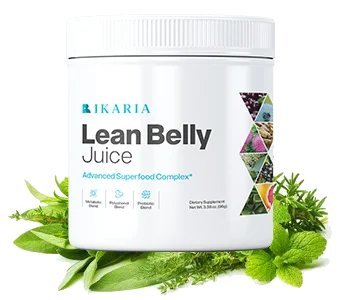
Ikaria Juice is a natural dietary supplement inspired by the longevity and lifestyle of the residents of Ikaria, Greece. It is formulated as a convenient powder that blends easily into water or your favorite beverage. Designed for adults looking to support their metabolic health, this formula focuses on addressing internal factors like uric acid levels that may hinder weight management efforts. It aims to provide a gentle, nutrient-rich approach to wellness without the use of harsh stimulants.
Scientific Analysis of Resveratrol
The Biological Mechanism of Action
Resveratrol functions through several sophisticated biological pathways that distinguish it from standard antioxidants. While it does directly neutralize free radicals, its primary value lies in its role as a signaling molecule. The most significant mechanism discovered to date is its ability to activate Sirtuin 1 (SIRT1), a member of the sirtuin family of proteins often referred to as "longevity genes." SIRT1 plays a critical role in cellular health, DNA repair, and the regulation of mitochondrial biogenesis.
By activating SIRT1, resveratrol mimics the beneficial effects of caloric restriction, a dietary intervention known to extend lifespan in various animal models. Furthermore, resveratrol activates the AMPK (AMP-activated protein kinase) pathway. AMPK acts as a metabolic master switch that improves insulin sensitivity, promotes fatty acid oxidation, and enhances energy production within the cells. Together, these pathways help the body manage metabolic stress and maintain cellular integrity over time.
Comprehensive Health Benefits and Scientific Evidence
Cardiovascular Protection
Resveratrol is perhaps best known for its cardioprotective effects. Research suggests it supports the heart through multiple avenues. First, it promotes the production of nitric oxide in the endothelium (the lining of the blood vessels). Nitric oxide is a vasodilator, meaning it helps blood vessels relax and widen, which naturally supports healthy blood pressure levels. Clinical studies have shown that resveratrol supplementation can significantly reduce systolic blood pressure, particularly in individuals with hypertension.
Additionally, resveratrol helps prevent the oxidation of LDL cholesterol. Oxidized LDL is a primary driver of plaque buildup in the arteries (atherosclerosis). By inhibiting this oxidation and reducing systemic inflammation, resveratrol helps maintain arterial flexibility and reduces the risk of cardiovascular events. A meta-analysis of randomized controlled trials indicated that resveratrol could also improve lipid profiles by lowering total cholesterol and triglycerides.
Longevity and Anti-Aging
The anti-aging potential of resveratrol is a cornerstone of modern longevity research. Beyond SIRT1 activation, resveratrol helps protect telomeres—the protective caps on the ends of chromosomes that shorten as we age. By preserving telomere length and promoting efficient DNA repair, resveratrol may slow the biological aging process at a cellular level. In laboratory settings, resveratrol has been shown to extend the lifespan of yeast, worms, and fruit flies. While human longevity is more complex, the compound’s ability to reduce the "hallmarks of aging" makes it a primary focus for those seeking to maximize their healthspan.
Metabolic Health and Blood Sugar Regulation
For individuals concerned with metabolic syndrome or Type 2 diabetes, resveratrol offers significant promise. By activating the AMPK pathway, it improves the way the body utilizes insulin, allowing cells to absorb glucose more efficiently from the bloodstream. Several clinical trials have demonstrated that resveratrol supplementation leads to improved fasting blood glucose levels and lower HbA1c (a long-term marker of blood sugar control). It also appears to protect the pancreas from oxidative damage, ensuring sustained insulin production.
Neuroprotection and Cognitive Function
As we age, the brain becomes increasingly susceptible to oxidative stress and the accumulation of protein aggregates, such as beta-amyloid plaques. Resveratrol’s anti-inflammatory properties allow it to cross the blood-brain barrier, where it can exert protective effects on neurons. Research suggests that resveratrol may interfere with the formation of these plaques, which are linked to Alzheimer’s disease. Furthermore, by increasing cerebral blood flow, resveratrol ensures that the brain receives adequate oxygen and nutrients, potentially improving memory and focus in older adults.
Forms of Resveratrol: Trans vs. Cis
When choosing a resveratrol supplement, it is crucial to understand the difference between its two chemical forms: trans-resveratrol and cis-resveratrol. Trans-resveratrol is the isomer that is biologically active and stable. It is the form used in the vast majority of scientific research and clinical trials. Cis-resveratrol, on the other hand, is significantly less stable and does not provide the same health benefits. Most high-quality supplements will specify that they contain 98% or 99% pure trans-resveratrol, often sourced from Japanese Knotweed for its high concentration and purity.
Potential Side Effects and Safety Considerations
Resveratrol is generally considered safe for most adults when taken in appropriate dosages. Common supplemental doses range from 250 mg to 1,500 mg per day. However, at very high doses (exceeding 2,000 mg daily), some individuals may experience mild gastrointestinal distress, including nausea, bloating, or diarrhea.
Because resveratrol has mild anti-platelet effects (it can thin the blood), it should be used with caution by individuals taking anticoagulant medications like warfarin or clopidogrel. It is also recommended to discontinue resveratrol use at least two weeks before a scheduled surgery to minimize the risk of excessive bleeding. As with any supplement, individuals with pre-existing medical conditions or those who are pregnant or nursing should consult with a healthcare provider before starting a regimen.
Optimizing Absorption
One of the challenges with resveratrol is its relatively low bioavailability; the body metabolizes and excretes it quickly. To maximize its effectiveness, many experts recommend taking resveratrol with a meal that contains healthy fats, such as avocado or olive oil, which can enhance its absorption. Some modern formulations also use micronized particles or liposomal delivery systems to further improve the amount of resveratrol that reaches the bloodstream.
Frequently Asked Questions
Resveratrol is best taken in the morning. Since it activates the SIRT1 longevity pathway, which is naturally more active during the day, taking it early aligns with the body's circadian rhythms. It is also recommended to take it with a source of healthy fat to improve absorption.
While red wine does contain resveratrol, the concentration is quite low. You would need to consume hundreds of glasses of wine daily to reach the therapeutic doses (250mg-500mg) found in concentrated supplements, which is obviously not recommended.
Yes, Resveratrol can have a mild blood-thinning effect. It may interact with anticoagulant or anti-platelet drugs like aspirin, warfarin, or ibuprofen. It may also affect how the liver processes certain medications, so consult your doctor if you are on prescription drugs.
Trans-resveratrol is the biologically active form of the molecule that provides health benefits. Some supplements contain a mix of isomers, but you should look for 'Trans-Resveratrol' on the label to ensure maximum efficacy and stability.
Long-term studies in humans have generally shown that Resveratrol is safe when taken in moderate doses. Some people may experience mild digestive issues at high doses, but no significant long-term toxicity has been reported in healthy individuals.
⚖️ Conclusion
Resveratrol stands out as one of the most compelling dietary ingredients for those focused on cardiovascular health and the science of longevity. Its unique ability to activate the SIRT1 longevity gene and the metabolic switch AMPK provides a multifaceted approach to cellular aging that few other antioxidants can match. The scientific consensus, backed by decades of research and numerous human clinical trials, highlights its efficacy in supporting healthy blood pressure, improving insulin sensitivity, and protecting the brain from age-related decline. While its low natural bioavailability remains a hurdle, choosing a high-quality trans-resveratrol supplement and consuming it with healthy fats can significantly enhance its results. For individuals looking to mirror the health-protective benefits of the Mediterranean diet or proactively manage the effects of aging, resveratrol is a highly recommended addition to a well-rounded wellness protocol. Given its excellent safety profile at standard dosages, it remains a foundational pillar in the world of preventative nutrition and life-extension strategies. Always ensure you select a stabilized, high-purity form for the best biological outcomes.