
Home » Ingredients » Rhodiola Rosea
Rhodiola Rosea: The Golden Root for Stress Relief and Peak Performance
Rhodiola Rosea is a powerful adaptogenic herb known for its ability to help the body resist physical and environmental stress. Primarily found in cold, mountainous regions, it is widely used to enhance energy, focus, and emotional well-being.
Benefits of Rhodiola Rosea
What is Rhodiola Rosea?
Rhodiola Rosea, often referred to as "Golden Root" or "Arctic Root," is a perennial flowering plant in the family Crassulaceae. It grows natively in the high-altitude, cold regions of Europe, Asia, and North America. For centuries, this resilient herb has been a staple in traditional medicine, particularly in Russia and Scandinavia, where it was used to help people survive the harsh northern winters and demanding physical labor.
The history of Rhodiola dates back to the ancient Greeks; Dioscorides, the Greek physician, first documented its medicinal applications in 77 AD. Vikings were said to rely on the plant to boost their physical strength and endurance, while Chinese emperors sent expeditions to Siberia to bring back the "Golden Root" for its perceived life-extending properties. Today, it is classified as an adaptogen—a natural substance that increases the body's non-specific resistance to stressors, helping maintain homeostasis in the face of physical, chemical, or biological challenges.
Top Rated Supplements with Rhodiola Rosea
Discover top-rated products that utilize clinical doses of Rhodiola Rosea as a core ingredient.
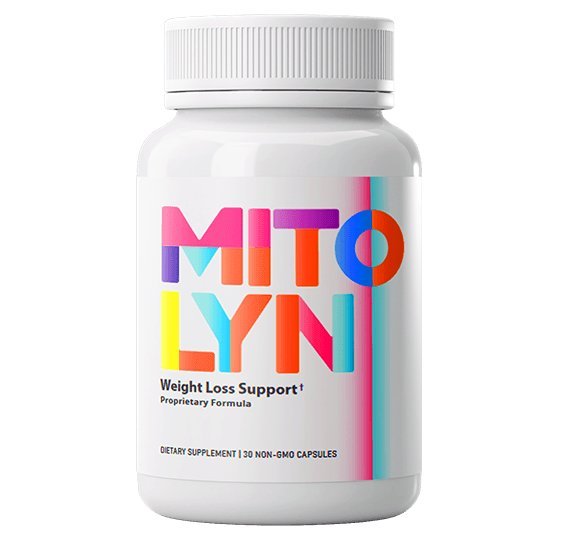
Mitolyn is revolutionizing the wellness space, offering unparalleled support for mitochondrial health. Search mitolyn reviews to see real-world results and understand why this supplement is becoming a cornerstone of advanced nutritional regimens. Experience the difference in your energy levels and vitality with Mitolyn.
Scientific Analysis of Rhodiola Rosea
The Biological Mechanisms of Rhodiola Rosea
Rhodiola Rosea works differently than traditional stimulants. While caffeine provides a temporary spike in energy by blocking adenosine receptors, Rhodiola influences the body’s primary stress response system: the Hypothalamic-Pituitary-Adrenal (HPA) axis. By modulating the release of stress hormones like cortisol, Rhodiola helps prevent the "crash" associated with chronic stress and burnout.
Phytochemical Composition
The therapeutic potential of Rhodiola Rosea is attributed to its unique phytochemical profile. The most critical bioactive compounds are rosavins (including rosavin, rosin, and rosarin) and salidrosides. High-quality supplements are typically standardized to contain 3% rosavins and 1% salidrosides, the ratio naturally found in the plant's rhizome. Salidroside, in particular, has been studied for its neuroprotective and anti-aging properties, while rosavins are primarily linked to the herb’s mood-lifting effects.
Neurotransmitter Modulation
Research suggests that Rhodiola Rosea inhibits the activity of enzymes like monoamine oxidase (MAO), which break down neurotransmitters such as serotonin, dopamine, and norepinephrine. By keeping these "feel-good" chemicals active in the brain for longer periods, Rhodiola can effectively improve mood, increase motivation, and sharpen cognitive focus. Furthermore, it appears to enhance the permeability of the blood-brain barrier to precursors of dopamine and serotonin, further supporting mental health.
Proven Health Benefits Backed by Science
1. Combatting Fatigue and Burnout
One of the most well-documented uses of Rhodiola is its ability to reduce fatigue caused by stress. In a landmark study published in the journal 'Planta Medica,' researchers found that participants taking Rhodiola extract experienced significant improvements in mental performance and a decrease in cortisol levels compared to a placebo group. It is particularly effective for "stress-induced fatigue," where individuals feel physically exhausted but mentally wired.
2. Enhancing Cognitive Function
Rhodiola is a potent nootropic. During periods of high mental workload, it helps maintain executive functions such as memory, calculation, and sustained attention. Studies involving night-shift workers and students during exam periods have shown that Rhodiola reduces mental errors and improves work capacity by preventing the cognitive decline usually associated with sleep deprivation and prolonged mental exertion.
3. Improving Exercise Performance
Athletes often turn to Rhodiola to gain a competitive edge. It has been shown to improve endurance by increasing the time to exhaustion and improving VO2 max (the maximum amount of oxygen the body can utilize during exercise). Additionally, its anti-inflammatory properties help reduce C-reactive protein and creatine kinase levels, which are markers of muscle damage, thereby speeding up recovery after intense workouts.
4. Managing Depression and Anxiety
Rhodiola may serve as a natural alternative or adjunct for managing mild-to-moderate depression. In a clinical trial published in the 'Journal of Affective Disorders,' Rhodiola was found to significantly reduce symptoms of depression, insomnia, and emotional instability. While it may not be as potent as pharmaceutical antidepressants for severe cases, it often presents fewer side effects, making it an attractive option for those seeking a gentler approach.
Scientific Research and Clinical Evidence
The body of evidence supporting Rhodiola is substantial. A comprehensive meta-analysis of 11 placebo-controlled trials concluded that Rhodiola Rosea has beneficial effects on physical performance, mental performance, and certain mental health conditions. Researchers specifically noted its ability to act as a "secondary adaptogen," meaning it provides a steady state of resilience rather than a temporary boost. Another study involving 118 participants with burnout symptoms showed significant improvement across all measures of stress and depression after just 12 weeks of supplementation.
Potential Side Effects and Safety
Rhodiola Rosea is generally considered safe for most healthy adults when taken in recommended dosages. However, because of its stimulating nature, some individuals may experience:
- Dizziness or lightheadedness
- Dry mouth
- Excessive salivation (rare)
- Restlessness or difficulty sleeping if taken late in the evening
It is important to note that Rhodiola may interact with certain medications. Because it can lower blood sugar and blood pressure, individuals on diabetes or hypertension medication should consult a physician. Furthermore, because it stimulates the immune system, it is generally advised that people with autoimmune diseases avoid its use unless supervised by a medical professional.
Optimal Dosage and Timing
The most effective dosage for Rhodiola Rosea typically ranges between 200mg and 600mg per day. For the best results, it should be taken on an empty stomach about 30 minutes before breakfast or lunch. Taking it late in the day is generally discouraged, as it may interfere with the ability to fall asleep. When choosing a supplement, ensure it is standardized to at least 3% rosavins and 1% salidrosides to guarantee potency.
Frequently Asked Questions
Some users notice a boost in energy and mental clarity within 30 to 60 minutes. However, for chronic stress and mood benefits, it usually takes 2 to 4 weeks of consistent daily use to reach full efficacy.
Yes, Rhodiola is safe for daily use. However, some practitioners recommend 'cycling' the herb (e.g., 5 days on, 2 days off, or taking a week off every few months) to prevent the body from building a tolerance.
Rhodiola can have a synergistic effect with caffeine, enhancing its stimulating properties. While this can improve focus, sensitive individuals may find the combination causes jitters or anxiety.
You should consult your doctor before combining Rhodiola with SSRIs or MAOIs, as Rhodiola affects serotonin levels and could potentially lead to a rare but serious condition called serotonin syndrome.
⚖️ Conclusion
Rhodiola Rosea stands out as one of the most rigorously studied adaptogens in the modern supplement landscape, offering a compelling bridge between ancient traditional wisdom and contemporary clinical validation. The consensus among researchers highlights its primary efficacy in mitigating the physiological impact of chronic stress and reducing burnout-related fatigue. By modulating the body's stress-response system and optimizing neurotransmitter balance, it provides a dual-action benefit of calming the mind while simultaneously boosting physical and mental energy levels. Scientific evidence particularly supports its use for individuals facing high-pressure environments, such as students or professionals, as well as athletes looking to enhance recovery and endurance. While generally considered safe with a low toxicity profile, users should remain mindful of potential interactions with antidepressant medications and the stimulant-like effects that may interfere with sleep if taken late in the day. Ultimately, for those seeking a natural, non-habit-forming way to improve resilience and cognitive clarity, Rhodiola Rosea is a highly recommended inclusion in a daily wellness regimen. Its long history of use and robust safety data make it a premier choice for long-term vitality and stress management.