
Home » Ingredients » Selenium
Selenium Supplements: What the Research Shows
Selenium is an essential trace mineral that the body uses to make selenoproteins, several of which are antioxidant enzymes. It is vital for thyroid hormone metabolism, DNA synthesis, and protecting the body from oxidative damage and infection.
Last updated 7 October 2026
Selenium: the short answer
Selenium is an essential mineral, and deficiency is rare in places like the United States. In people who already get enough, large trials and Cochrane reviews found supplements did not prevent cancer or heart disease. In Hashimoto's thyroiditis, supplements can lower thyroid antibodies, but trials show no clear improvement in thyroid function or quality of life.
| What it is | An essential trace mineral found in Brazil nuts, seafood, meat, poultry, grains and eggs. The body uses it to make about 25 selenoproteins, including antioxidant enzymes (glutathione peroxidases) and enzymes involved in thyroid hormone metabolism. |
|---|---|
| Most studied for | Cancer prevention (especially prostate cancer), heart disease, Hashimoto's thyroiditis and other thyroid disease, cognitive decline, HIV, and male fertility. |
| Amounts used in studies | Most trials used 200 mcg a day: SELECT gave 200 mcg a day as selenomethionine to 35,533 men (stopped after about 5.5 years); the NPC trial gave 200 mcg a day as selenium yeast for a mean of 4.5 years. Thyroid trials used 80 to 200 mcg a day for 3 to 12 months. The adult RDA is 55 mcg a day. |
| Strength of evidence | Mixed. Large, high-quality trials show no cancer or heart benefit in people with adequate intake; small trials show lower thyroid antibodies in Hashimoto's but no clear effect on TSH, thyroid ultrasound or quality of life. |
| Safety | The adult upper limit is 400 mcg a day from all sources (EFSA set 255 mcg in 2023). Excess causes selenosis: hair and nail loss, garlic breath, metallic taste, rash, nausea, fatigue and irritability. SELECT and a 2018 Cochrane review flagged a possible small rise in type 2 diabetes risk, and SELECT found more high-grade prostate cancer in men with high baseline selenium. Brazil nuts (68 to 91 mcg each) can push intake too high. Cisplatin can lower selenium levels. |
| In products we review | Thyrafemme Balance, NeuroZoom, Keravita Pro, VisiFlora |
Sources: NIH ODS selenium fact sheet · SELECT trial, JAMA 2009 · Cochrane: selenium for preventing cancer · Selenium in autoimmune thyroiditis review
Benefits of Selenium
What is Selenium?
Selenium is a naturally occurring trace mineral found in soil, water, and certain foods. While the body only requires it in small amounts, its impact on physiological processes is profound. It was discovered in 1817 by the Swedish chemist Jöns Jacob Berzelius, who initially noted its similarities to tellurium. For decades, it was considered a toxin until the mid-20th century, when researchers identified its essential role in preventing specific diseases.
A Brief History and Sources
Historically, selenium deficiency was linked to Keshan disease, a form of cardiomyopathy first identified in China. Today, we understand that selenium is a key component of selenoproteins, which are enzymes that perform critical functions in the body. Natural sources include Brazil nuts, seafood, organ meats, and whole grains, though the selenium content in plant-based foods depends heavily on the mineral concentration of the soil where they were grown. This geographic variability has made selenium supplementation an important consideration for populations living in regions with low soil selenium levels.
Top Rated Supplements with Selenium
Products we review that list Selenium as an ingredient. Not every product discloses how much of each ingredient a serving contains, so check each review before assuming it matches the amounts used in studies.
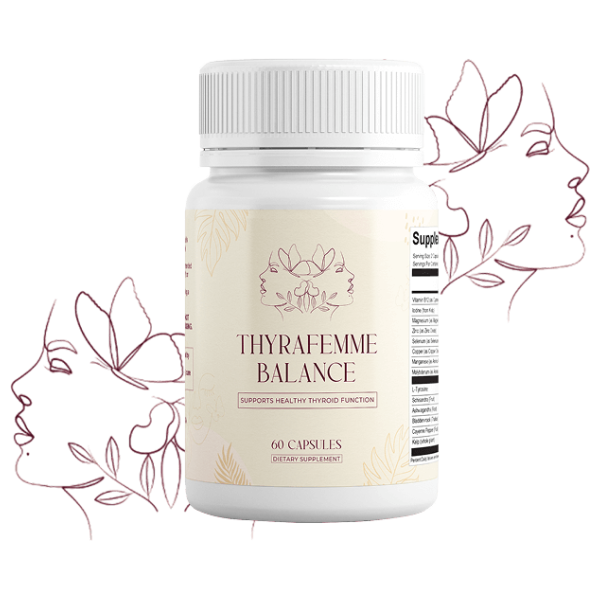
Thyrafemme Balance is a 14-ingredient capsule sold to women for “thyroid balance”, with energy, mood, weight, hair and skin among the promised benefits. This review covers the full label, what research shows for selenium, ashwagandha and iodine, why women with thyroid disease or on thyroid medicine should be careful, the real prices and the 60-day refund.
NeuroZoom is a dietary supplement that the vendor markets for memory, focus and mental clarity. The vendor calls it a 35-in-1 formula of vitamins, minerals, plant extracts and other compounds, but does not publish the amount of each. It is primarily intended for individuals looking to maintain their cognitive edge as they age or those facing high-pressure mental environments. Only a few of its ingredients, such as bacopa, have trial evidence for memory, and the formula itself has not been tested in a published trial.
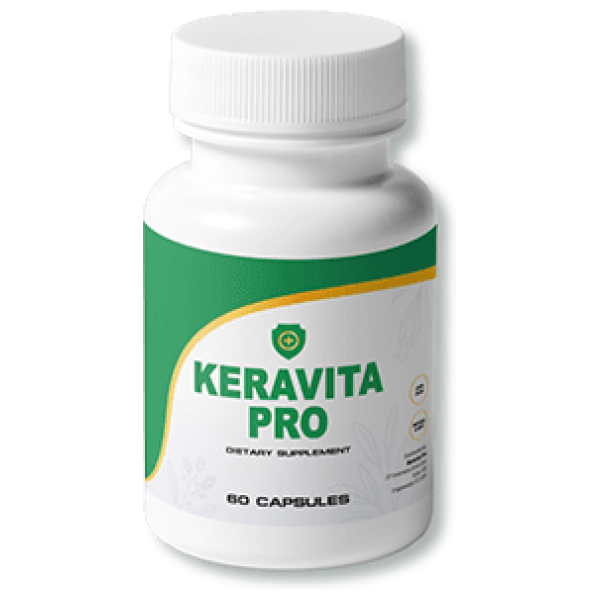
Keravita Pro is a capsule sold online for toenail fungus and healthy nails and hair. This review covers its full label, which turns out to be a general “immune” blend of about 20 herbs, whether any capsule can clear nail fungus, a safety caution about graviola, the sales claims, the prices and the 60-day refund.
VisiFlora is a one-a-day capsule sold as a “22-in-1” vision formula that “starts in the gut”. Its page names ingredients such as lutein, zeaxanthin, astaxanthin, bilberry, saffron, zinc and beta-carotene, but publishes no label. This review covers what the research shows for those ingredients, why the missing label and the beta-carotene matter, the real prices and the 60-day refund.
Scientific Analysis of Selenium
The Biological Mechanism of Selenium
Selenium exerts its biological effects primarily through its incorporation into selenoproteins. Unlike many other minerals that act as simple cofactors, selenium is integrated into the amino acid chain as selenocysteine, often referred to as the 21st amino acid. This unique structural integration allows selenoproteins to perform essential redox (reduction-oxidation) reactions. There are approximately 25 known selenoproteins in the human body, each serving distinct roles. The best known are the glutathione peroxidases (GPx), antioxidant enzymes that break down hydrogen peroxide and lipid hydroperoxides, helping protect cell membranes and DNA from oxidative stress.
Thyroid Hormone Metabolism
The thyroid gland contains the highest concentration of selenium per gram of tissue in the entire body. This is because selenium is a mandatory component of the iodothyronine deiodinase enzymes (D1, D2, and D3). These enzymes are responsible for converting the inactive thyroid hormone (T4) into its active form (T3). Severe selenium deficiency, especially together with iodine deficiency, can contribute to underactive thyroid in some very low-selenium regions. Furthermore, selenoproteins like glutathione peroxidase protect the thyroid gland itself from the oxidative damage generated during the production of thyroid hormones.
Health Benefits and What the Research Shows
Clinical trials of selenium supplements have mostly found little benefit in people who already get enough selenium. One of the most significant areas of study involves cardiovascular health. Selenoproteins help limit inflammation and lipid oxidation, which led researchers to test whether selenium could lower heart disease risk. A 2006 meta-analysis of observational studies linked the highest selenium levels to a 15% lower risk of coronary heart disease, but a Cochrane review of randomized trials found supplements did not reduce cardiovascular events.
Immune System Support
Selenium is needed for normal immune function. Laboratory research suggests selenium can influence T-cell and natural killer (NK) cell activity, but it has not been established that supplements reduce infections in people. In selenium-deficient mice, a harmless coxsackievirus mutated into a strain that damaged the heart; this effect has not been shown in people. In adults with HIV, a Cochrane review of four trials found that 200 mcg a day may have little or no effect on CD4 counts or viral load.
Cognitive Function and Aging
Selenoproteins have antioxidant roles, and selenium may help maintain healthy brain function. Oxidative stress is a hallmark of neurodegenerative diseases such as Alzheimer's and Parkinson's. Studies have observed that blood selenium levels tend to decline with age, and lower levels are often correlated with cognitive decline. However, the PREADViSE trial of 200 mcg a day in 7,540 older men found no reduction in dementia, and a 2022 meta-analysis of 11 trials found no improvement in cognitive test scores.
Selenium and Cancer Prevention
The relationship between selenium and cancer has been a subject of intense scientific debate. The Nutritional Prevention of Cancer (NPC) trial, a randomized trial of 200 mcg a day, did not reduce skin cancer, its main goal, although a secondary analysis found 49% fewer prostate cancers in men. However, the much larger SELECT trial in 35,533 men found that 200 mcg a day did not prevent prostate or other cancers, and a 2018 Cochrane review found no cancer-preventing effect of selenium supplements. In SELECT, selenium did not lower prostate cancer risk in men with low selenium status and raised the risk of high-grade prostate cancer in men whose levels were already high. This suggests a "U-shaped" response curve where both deficiency and excess can be detrimental.
Potential Side Effects and Toxicity (Selenosis)
While selenium is essential, the window between an effective dose and a toxic dose is relatively narrow. The Tolerable Upper Intake Level (UL) for adults is set at 400 micrograms (mcg) per day. Chronic intake above this level can lead to selenosis. Symptoms of selenium toxicity include a characteristic garlic-like odor on the breath, hair loss, brittle nails, gastrointestinal distress, and irritability. In severe cases, it can cause neurological damage and organ failure. The body absorbs up to about 90% of selenium from common supplement forms, including selenomethionine and sodium selenite, so every form counts toward the upper limit.
Interactions and Considerations
Selenium can interact with certain medications. For example, the chemotherapy drug cisplatin can lower selenium levels, although whether this matters clinically is not known. Additionally, there is some evidence suggesting that high selenium levels might be associated with an increased risk of Type 2 diabetes in populations that are already selenium-replete, though this remains a topic of ongoing research. Always consult with a healthcare provider before beginning a high-dose selenium regimen, especially if you have pre-existing metabolic conditions.
Frequently Asked Questions
The Recommended Dietary Allowance (RDA) for most adults is 55 micrograms (mcg) per day. However, therapeutic doses used in clinical studies for thyroid support or immune health often range between 100 mcg and 200 mcg. It is advised not to exceed 400 mcg daily from all sources.
Selenium can be taken at any time of day; there is no strong evidence that timing or meals change how well it is absorbed. Taking it with food can also help prevent potential gastrointestinal upset.
Yes, Brazil nuts are the richest food source of selenium. A single nut can contain between 68 and 91 mcg, meaning just one or two nuts a day can easily meet or exceed the RDA. Because 1 ounce (6 to 8 nuts) can provide about 544 mcg, regularly eating more than one or two a day could push intake above the 400 mcg upper limit.
Trials using 80 to 200 mcg a day for 3 to 12 months found selenium can lower anti-thyroid peroxidase (TPO) antibodies, but a systematic review found no effect on TSH, thyroid ultrasound findings or quality of life in people not taking thyroid medication.
⚖️ Conclusion
Selenium is an essential mineral that works mainly as part of specialized selenoproteins. Selenoproteins help convert thyroid hormone to its active form and protect the thyroid gland from oxidative stress. Beyond the thyroid, selenium is part of glutathione peroxidases, enzymes that help limit oxidative damage, but supplements have not been shown to prevent disease in people who get enough. Supplements can correct deficiency, and in Hashimoto's thyroiditis they can lower thyroid antibodies, but trials have not shown better thyroid function or quality of life, so caution is wise. The narrow therapeutic window between deficiency and toxicity—known as selenosis—means that high-dose long-term supplementation should be approached with professional guidance. Most people get enough selenium from food; trials have used 100 to 200 mcg a day, but these doses have not been shown to improve immunity or metabolic health and may slightly raise type 2 diabetes risk. Overall, selenium is essential in small amounts, but taking more than you need has not been shown to help and can cause harm.