
Home » Ingredients » Taraxacum
Taraxacum: The Ultimate Guide to Dandelion's Therapeutic Benefits
Taraxacum, most commonly known as the dandelion, is a powerful botanical ingredient utilized for centuries in traditional medicine to support liver and kidney function. Rich in antioxidants and bioactive compounds, it is now a staple in modern dietary supplements for its detoxifying and anti-inflammatory properties.
Benefits of Taraxacum
What is Taraxacum?
Taraxacum, specifically Taraxacum officinale, is a genus of flowering plants in the family Asteraceae. While often dismissed as a common garden weed, this perennial herb is a nutritional powerhouse that has been a cornerstone of herbal medicine across diverse cultures for millennia. Originating in Eurasia and North America, Taraxacum has successfully naturalized worldwide, thriving in various climates and soil types.
The Historical Significance of Dandelion
The name 'Taraxacum' is believed to be derived from the Greek words 'taraxos' (disorder) and 'akos' (remedy), highlighting its long-standing reputation as a healing agent. Historical records show that Arabian physicians in the 10th and 11th centuries utilized dandelion to treat liver and spleen ailments. In Traditional Chinese Medicine (TCM), it was frequently prescribed for respiratory infections and digestive issues. Native American tribes also recognized its value, using decoctions of the root and leaf to treat kidney disease, skin disorders, and stomach upset. Today, modern science is finally catching up to these ancient practices, validating many of the traditional uses of this versatile plant.
Top Rated Supplements with Taraxacum
Discover top-rated products that utilize clinical doses of Taraxacum as a core ingredient.
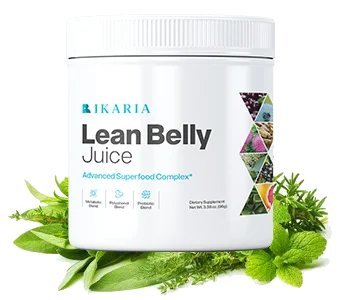
Ikaria Juice is a natural dietary supplement inspired by the longevity and lifestyle of the residents of Ikaria, Greece. It is formulated as a convenient powder that blends easily into water or your favorite beverage. Designed for adults looking to support their metabolic health, this formula focuses on addressing internal factors like uric acid levels that may hinder weight management efforts. It aims to provide a gentle, nutrient-rich approach to wellness without the use of harsh stimulants.
Scientific Analysis of Taraxacum
Mechanism of Action: How Taraxacum Works
The therapeutic efficacy of Taraxacum is attributed to its complex profile of bioactive secondary metabolites. These include sesquiterpene lactones (such as taraxacin), triterpenoids (like taraxasterol), polyphenols (including chicoric acid and chlorogenic acid), and flavonoids (such as luteolin and quercetin). These compounds interact with several physiological pathways to promote health.
Hepatoprotective and Cholagogue Effects
One of the primary mechanisms of Taraxacum is its ability to stimulate the production and flow of bile from the liver and gallbladder. This cholagogue effect is largely mediated by the bitter compounds found in the root. By increasing bile flow, Taraxacum facilitates the emulsification of fats and the elimination of fat-soluble toxins. Research suggests that dandelions antioxidants protect liver cells (hepatocytes) from oxidative damage caused by environmental toxins and alcohol consumption.
Diuretic Action and Kidney Support
Taraxacum leaf is renowned for its potent diuretic properties. Unlike many pharmaceutical diuretics that can lead to potassium depletion, Taraxacum is naturally high in potassium. This allows it to increase urine output and flush excess sodium and water from the body while simultaneously replenishing potassium levels. This mechanism is particularly beneficial for managing mild edema and supporting overall renal health.
Proven Health Benefits and Scientific Research
Modern clinical and pre-clinical studies have shed light on the diverse health applications of Taraxacum extracts. From metabolic health to immune support, the evidence continues to grow.
1. Enhanced Liver Function and Detoxification
Studies have shown that Taraxacum root extract can significantly reduce lipid accumulation in the liver. In animal models, dandelion polysaccharides have demonstrated the ability to mitigate non-alcoholic fatty liver disease (NAFLD) by modulating the AMPK signaling pathway, which regulates energy metabolism. Furthermore, the high concentration of antioxidants helps neutralize free radicals, reducing the inflammatory markers associated with liver stress.
2. Blood Sugar Regulation and Metabolic Health
Taraxacum contains inulin, a type of prebiotic fiber that supports gut health and helps stabilize blood sugar levels. Chicoric and chlorogenic acids found in the plant have been shown to inhibit alpha-glucosidase, an enzyme responsible for breaking down carbohydrates into glucose. By slowing this process, Taraxacum can help prevent rapid spikes in blood sugar after meals, making it a valuable adjunct for metabolic support.
3. Anti-Inflammatory and Antioxidant Properties
Chronic inflammation is a root cause of many degenerative diseases. Taraxacum is rich in polyphenols that inhibit the production of pro-inflammatory cytokines such as TNF-alpha and IL-6. Research published in the Journal of Medicinal Food indicates that dandelion extracts can suppress the inflammatory response in macrophages, suggesting potential benefits for conditions like arthritis and cardiovascular disease.
4. Digestive Health and Microbiome Support
As a bitter herb, Taraxacum stimulates the secretion of gastric juices and digestive enzymes. This improves the breakdown of food and the absorption of nutrients. Additionally, the inulin content acts as a fertilizer for beneficial gut bacteria, promoting a healthy microbiome which is essential for immune function and mental clarity.
Potential Side Effects and Safety Profile
Taraxacum is generally recognized as safe (GRAS) by the FDA when consumed in amounts commonly found in food. However, as a concentrated supplement, certain precautions should be observed.
- Allergic Reactions: Individuals with allergies to plants in the Asteraceae family (such as ragweed, daisies, and marigolds) may experience allergic dermatitis or respiratory symptoms.
- Gastrointestinal Issues: Some users may experience mild stomach upset, heartburn, or diarrhea due to the herb's bitter compounds stimulating acid production.
- Drug Interactions: Because of its diuretic effect, Taraxacum may interact with medications like Lithium or pharmaceutical diuretics. It may also interfere with certain antibiotics (quinolones) by reducing their absorption.
- Gallbladder Concerns: Those with gallstones or bile duct obstructions should consult a healthcare provider before use, as the increased bile flow could trigger a gallbladder attack.
Standardization and Dosage
Dosage varies depending on the part of the plant used. Typical supplement dosages range from 500mg to 2,000mg of dried root or leaf extract per day. For liver support, extracts standardized for flavonoids or bitter compounds are often preferred. It is always recommended to start with a lower dose to assess individual tolerance.
Frequently Asked Questions
For digestive support, it is best taken 15-30 minutes before a meal. For its diuretic effects, it is recommended to take it earlier in the day to avoid interrupted sleep due to increased urination.
Because Taraxacum has natural diuretic properties, it may enhance the effects of blood pressure medications. You should consult your physician to ensure it won't cause your blood pressure or potassium levels to fluctuate unsafely.
It depends on your goals. The root is generally preferred for liver detoxification and digestive health, while the leaf is more effective as a diuretic for reducing water retention.
Taraxacum is generally safe for long-term consumption at moderate doses. However, it is often used in cycles (e.g., 4-6 weeks on, 1-2 weeks off) particularly when used for targeted detoxification protocols.
⚖️ Conclusion
Taraxacum officinale has evolved from a common garden weed into one of the most respected botanical ingredients in the modern dietary supplement industry. Extensive research underscores its dual functionality as a potent diuretic and a hepatoprotective agent, largely attributed to its rich concentration of sesquiterpene lactones and phenolic acids. Scientific studies suggest that it effectively stimulates bile flow, aids in glycemic control through its inulin content, and provides significant antioxidant protection against oxidative stress. While it is generally recognized as safe for most individuals, those with gallbladder issues or allergies to the Asteraceae family should exercise caution. For those looking to support natural detoxification pathways, reduce water retention, or improve digestive efficiency, Taraxacum remains a top-tier recommendation. It bridges the gap between ancient traditional wisdom and contemporary nutritional science, offering a multifaceted approach to metabolic health. When sourced from high-quality extracts, particularly those standardized for flavonoids, it serves as a reliable cornerstone for any comprehensive wellness regimen. We recommend it as a safe, effective, and evidence-based addition for long-term health maintenance.