
The Brain Song vs The Memory Wave: BDNF or Brain Cleaning?
| Features |
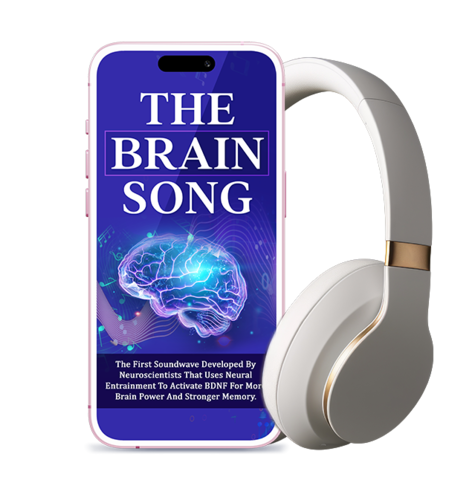
The Brain Song
★★★
3.4/5
|
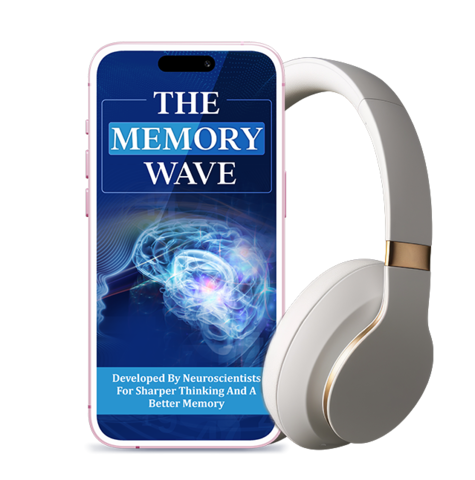
The Memory Wave
★★★
3.4/5
|
|---|---|---|
| Price | $39 | $39 |
| Guarantee | 90 Days | 90 Days |
| Pros |
|
|
| Cons |
|
|
| Action | Read Review | Read Review Check Price |
Scored side by side
Both products run through the same five criteria — see how we score.
| Criterion | The Brain Song | The Memory Wave | Edge |
|---|---|---|---|
| Ingredient transparency · 25% | 3.5 | 3.5 | Tie |
| Strength of evidence · 25% | 2.0 | 2.0 | Tie |
| Value for money · 20% | 5.0 | 5.0 | Tie |
| Guarantee terms · 15% | 4.0 | 4.0 | Tie |
| Buying experience · 15% | 2.5 | 3.0 | The Memory Wave |
| Overall | 3.4/5 | 3.4/5 | Tie |
Comparison Analysis
These two are the same product in different packaging: the same sales template, the same $39 price, the same 12-minute daily session, the same footer and the same 90-day refund through ClickBank. Both aim at gamma brainwaves, and they tie at 3.4 on our rubric.
The pitch
The Brain Song says gamma activity encourages BDNF, a protein that helps brain cells grow and connect. The Memory Wave says gamma activity supports the brain's "cleaning process". Both are real areas of neuroscience; neither has been shown to respond to a 12-minute audio track.
The evidence
The research both borrow from used 40 Hz light-and-sound devices, mostly in mice, for about an hour a day. We found no human study showing that listening to audio raises BDNF — aerobic exercise is the best-established way to do that. Neither product has a published trial.
Testimonials and refunds
The Brain Song's small print says its testimonials may be digital avatars of people connected to the creators; The Memory Wave's says its study participants were paid. Both link to a refund policy written for bottles — ignore it, and request any refund through ClickBank within 90 days, which both checkouts confirm.
Verdict
No winner, and no reason to buy both. If a daily listening routine appeals, pick either one and use the refund window honestly. If your real goal is a healthier brain, a daily brisk walk has better evidence behind it than either.