
Home » Ingredients » Vitamin E
Vitamin E: The Essential Antioxidant for Cellular Protection and Longevity
Vitamin E is a powerful group of fat-soluble compounds, primarily alpha-tocopherol, renowned for its potent antioxidant capabilities. It plays a fundamental role in protecting cell membranes from oxidative damage while supporting immune function and skin health.
Benefits of Vitamin E
What is Vitamin E?
Vitamin E is not a single substance but rather a group of eight fat-soluble compounds consisting of four tocopherols and four tocotrienols (alpha, beta, gamma, and delta). Among these, alpha-tocopherol is the only form recognized to meet human requirements, as it is the form preferentially absorbed and accumulated by the human liver. This essential micronutrient was first discovered in 1922 by researchers Herbert Evans and Katharine Bishop at the University of California, Berkeley. Initially identified as a 'fertility factor' necessary for successful reproduction in laboratory rats, it was eventually named 'tocopherol' from the Greek words 'tokos' (offspring) and 'pherein' (to bear).
Historically, Vitamin E transitioned from a reproductive aid to a celebrated antioxidant in the mid-20th century. It is naturally synthesized by plants and is abundant in vegetable oils, nuts, seeds, and green leafy vegetables. Because it is fat-soluble, the body stores Vitamin E in fatty tissue and the liver, utilizing it as a primary defense mechanism against the oxidation of lipids. Over the decades, it has become a staple in both the dietary supplement industry and the skincare world, valued for its ability to stabilize cellular structures and combat the effects of environmental stressors.
Top Rated Supplements with Vitamin E
Discover top-rated products that utilize clinical doses of Vitamin E as a core ingredient.
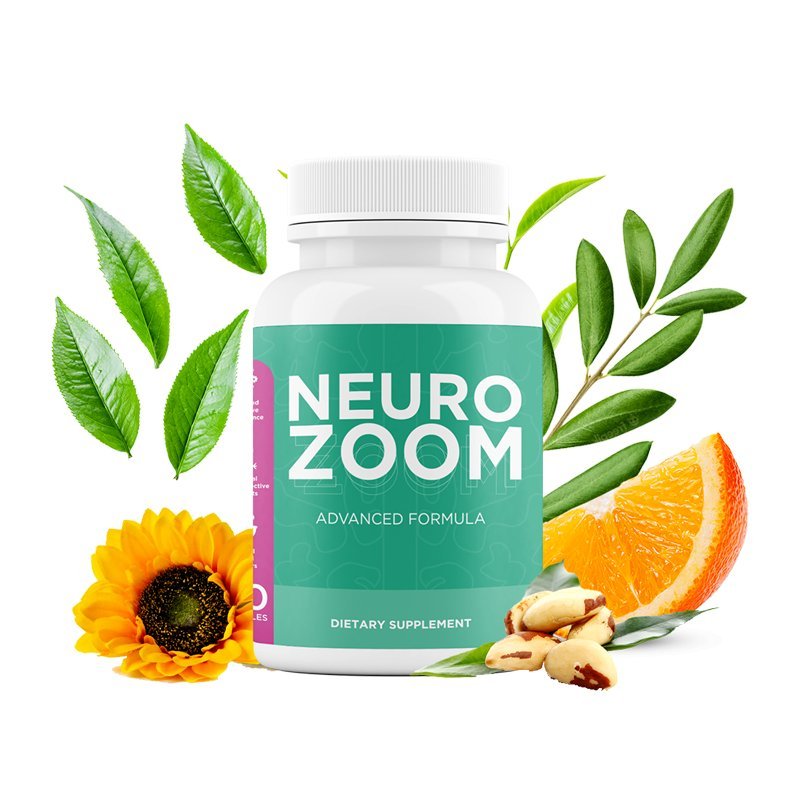
NeuroZoom is a comprehensive dietary supplement designed to support cognitive functions like memory, focus, and mental clarity. Featuring a unique 35-in-1 formula, it targets various aspects of brain health by providing essential vitamins, minerals, and herbal extracts. It is primarily intended for individuals looking to maintain their cognitive edge as they age or those facing high-pressure mental environments. While it isn't a magic fix, it offers a robust nutritional foundation for long-term brain wellness.
Scientific Analysis of Vitamin E
The Mechanism of Action: How Vitamin E Works
The primary biological function of Vitamin E is to act as a chain-breaking antioxidant. It protects the body's cells from oxidative stress, a process that occurs when there is an imbalance between free radicals and antioxidants. Free radicals are unstable molecules produced during normal metabolic processes or through exposure to environmental toxins like UV radiation and cigarette smoke. These molecules seek to stabilize themselves by stealing electrons from cell membranes, specifically targeting polyunsaturated fatty acids (PUFAs).
When a free radical attacks a lipid membrane, it initiates a chain reaction called lipid peroxidation. Vitamin E intervenes by donating a hydrogen atom to the lipid peroxyl radical, neutralizing it before it can damage the cell membrane. Interestingly, Vitamin E does not work alone; after it neutralizes a free radical, it becomes oxidized itself. It is then 'recycled' back into its active form by other antioxidants, most notably Vitamin C (ascorbic acid), creating a synergistic antioxidant network within the body.
Proven Health Benefits of Vitamin E
The benefits of Vitamin E extend across multiple physiological systems, largely due to its protective effects on cell integrity. One of its most well-documented roles is in skin health. Both oral and topical Vitamin E have been shown to reduce UV-induced skin damage, improve skin hydration, and support the healing of the cutaneous layer. By preventing the oxidation of sebum, Vitamin E helps maintain the skin's natural barrier function.
Beyond aesthetics, Vitamin E is a critical supporter of the immune system. It enhances the proliferation of T-lymphocytes and improves the 'immunological synapse' in older adults, effectively helping the body mount a more robust defense against pathogens. Furthermore, research suggests that Vitamin E may play a role in eye health. By protecting the cells of the eyes from oxidative damage, it may help reduce the risk of age-related macular degeneration (AMD) and cataracts, particularly when taken in combination with Vitamin C, beta-carotene, and zinc.
Deep Dive into Scientific Research
The scientific community has scrutinized Vitamin E in numerous large-scale clinical trials. In the realm of cardiovascular health, early observational studies suggested that high intakes of Vitamin E were associated with a lower risk of heart disease. Researchers hypothesized that Vitamin E prevents the oxidation of low-density lipoprotein (LDL) cholesterol, which is a key step in the development of atherosclerosis. However, large randomized controlled trials, such as the Heart Outcomes Prevention Evaluation (HOPE) study, showed more nuanced results, suggesting that while Vitamin E is essential, its role in preventing major cardiac events may be more preventative than curative.
Another significant area of research involves cognitive health. Because the brain is highly susceptible to oxidative stress due to its high fat content and oxygen consumption, Vitamin E has been studied for its potential to slow the progression of Alzheimer’s disease. Some clinical trials have demonstrated that high doses of alpha-tocopherol can slow functional decline in patients with moderately severe Alzheimer's, although it does not prevent the onset of the disease itself.
In recent years, research has shifted toward the role of Vitamin E in Non-Alcoholic Fatty Liver Disease (NAFLD). Several meta-analyses have indicated that Vitamin E supplementation can significantly improve liver enzyme levels and histological scores (such as inflammation and ballooning) in patients with non-alcoholic steatohepatitis (NASH), making it a common recommendation in clinical guidelines for specific patient populations.
Natural vs. Synthetic Vitamin E
When looking at supplements, it is vital to distinguish between natural and synthetic forms. Natural Vitamin E is labeled as 'd-alpha-tocopherol,' while the synthetic version is 'dl-alpha-tocopherol.' The 'dl' form is a mixture of eight different stereoisomers, only one of which is identical to the natural form. Research indicates that the natural 'd' form has significantly higher bioavailability and is retained in body tissues for longer periods compared to the synthetic version.
Safety, Side Effects, and Interactions
Vitamin E is generally considered safe when taken within the Recommended Dietary Allowance (RDA). However, because it is fat-soluble, it can accumulate in the body. High-dose supplementation (typically exceeding 1,000 mg or 1,500 IU per day) has been linked to an increased risk of bleeding. This is because Vitamin E can interfere with Vitamin K’s role in blood clotting. Individuals taking anticoagulant or antiplatelet medications, such as Warfarin or Aspirin, should consult a healthcare provider before supplementing with Vitamin E, as it may potentiate the blood-thinning effects and increase the risk of hemorrhagic stroke.
- Antioxidant Protection: Neutralizes free radicals to prevent lipid peroxidation.
- Immune Support: Enhances T-cell mediated immunity, especially in the elderly.
- Dermatological Health: Protects skin from UV damage and supports barrier repair.
- Cognitive Support: Potential to slow functional decline in neurodegenerative conditions.
- Liver Health: Improves outcomes in patients with NASH and NAFLD.
Frequently Asked Questions
The Recommended Dietary Allowance (RDA) for adults is 15 mg (or 22.4 IU) of d-alpha-tocopherol per day. Higher therapeutic doses may be used under medical supervision for specific conditions like NASH.
Yes, because Vitamin E is fat-soluble, it is best absorbed when taken with a meal that contains healthy fats, such as avocado, nuts, or olive oil.
Vitamin E can interact with blood thinners (like Warfarin), antiplatelet drugs, and some chemotherapy medications. Always consult your doctor if you are on prescription medication.
D-alpha-tocopherol is the natural form derived from plants and is more bioavailable. Dl-alpha-tocopherol is the synthetic version and is generally less potent.
⚖️ Conclusion
Vitamin E remains a cornerstone of nutritional science, primarily recognized for its unparalleled ability to neutralize lipid peroxyl radicals and maintain the structural integrity of cellular membranes. Scientific consensus highlights its critical role in supporting immune function, especially in the aging population, and its synergistic relationship with other antioxidants like Vitamin C. While early clinical trials regarding cardiovascular health and cancer prevention yielded mixed results, contemporary research focuses on its targeted benefits for non-alcoholic fatty liver disease and cognitive decline. It is essential to distinguish between natural d-alpha-tocopherol and synthetic dl-alpha-tocopherol, as the former possesses superior bioavailability. However, supplementation must be approached with caution; high doses exceeding 1,000 mg daily can interfere with blood clotting and increase the risk of hemorrhagic stroke, particularly in individuals taking anticoagulant medications. For most healthy adults, obtaining Vitamin E through a balanced diet rich in nuts and seeds is ideal, while supplementation should be tailored to specific deficiency risks or therapeutic needs under professional guidance. Ultimately, Vitamin E is a powerful biological tool that, when used correctly, provides significant protection against the chronic oxidative stress underlying many modern health conditions.