
Home » Ingredients » 5-HTP
5-HTP Benefits: What the Research Shows
5-HTP is a naturally occurring amino acid and chemical precursor that serves as a vital intermediate in the biosynthesis of serotonin. It is widely used as a dietary supplement to support emotional well-being, enhance sleep quality, and manage appetite.
Last updated 7 October 2026
5-HTP: the short answer
5-HTP has been studied mainly for depression, where small, mostly older trials suggest some benefit, but reviews rate the evidence as weak and few studies used a placebo. Single small trials hint at benefits for sleep, appetite, fibromyalgia and migraine. It often causes nausea and should not be combined with antidepressants because of serotonin syndrome risk.
| What it is | 5-hydroxytryptophan, the compound the body makes from the amino acid tryptophan and then converts into serotonin and melatonin. Supplements are usually extracted from the seeds of the African plant Griffonia simplicifolia. |
|---|---|
| Most studied for | Depression; also small studies on sleep, appetite and weight loss, fibromyalgia and migraine prevention. |
| Amounts used in studies | Doses vary widely: 50 mg a day for 4 weeks (depression in Parkinson's disease), 100 mg a day for 12 weeks (sleep in older adults) and 900 mg a day for 12 weeks (obesity). There is no official recommended intake or upper limit. |
| Strength of evidence | Limited: a Cochrane review found only 2 adequate depression trials (64 patients), and a 2020 meta-analysis judged the studies relatively weak with few placebo groups; other uses rest on single small trials. |
| Safety | Nausea, vomiting and other stomach upset are common, especially above 100 mg. Combining it with SSRIs, SNRIs, MAOIs or other serotonin-raising drugs can cause serotonin syndrome, which can be life-threatening. In the 1990s an eosinophilia-myalgia-like illness was linked to 5-HTP containing a contaminant called 'Peak X', later found in some over-the-counter products; confirmed cases have been rare. Long-term safety data are limited. |
| In products we review | Sumatra Slim Belly Tonic |
Sources: Cochrane review on depression · 2020 depression meta-analysis · 5-HTP physiology and toxicology review · Peak X contaminant study
Benefits of 5-HTP
What is 5-HTP?
5-Hydroxytryptophan, commonly known as 5-HTP, is a naturally occurring amino acid and chemical precursor as well as a metabolic intermediate in the biosynthesis of the neurotransmitters serotonin and melatonin from tryptophan. Unlike many other supplements that are synthesized entirely in a laboratory, 5-HTP is typically derived from the seeds of an African plant known as Griffonia simplicifolia. This woody climbing shrub is native to West Africa and Central Africa, where it has been used in traditional medicine for centuries.
A Brief History and Discovery
The scientific community's interest in 5-HTP began in the mid-20th century as researchers started to unlock the complex relationship between brain chemistry and mood. While tryptophan was the initial focus of research, scientists discovered that 5-HTP was a more direct path to serotonin production because it bypasses the rate-limiting step in the serotonin synthesis process. By the 1970s and 1980s, 5-HTP gained popularity in clinical settings as a potential alternative to early antidepressant medications, leading to its eventual status as a widely available dietary supplement in the 1990s.
Top Rated Supplements with 5-HTP
Products we review that list 5-HTP as an ingredient. Not every product discloses how much of each ingredient a serving contains, so check each review before assuming it matches the amounts used in studies.
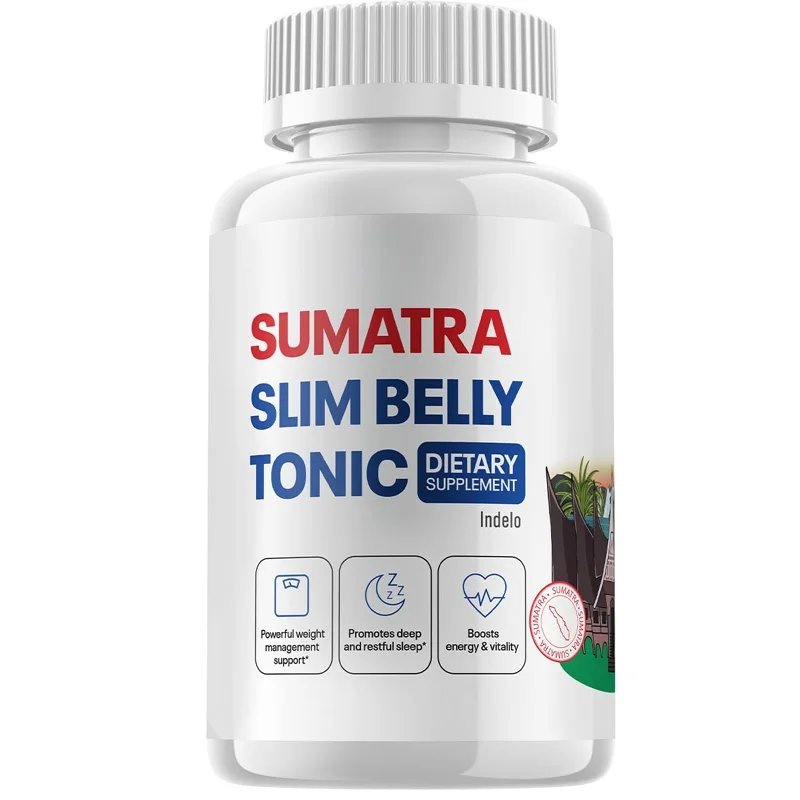
Sumatra Slim Belly Tonic was a nightly powder marketed for weight management on the idea that better sleep helps metabolism. It is no longer available: its official website showed it as sold out and then went offline when we checked in October 2026. This review stays up for reference and covers what the blend contained, how well the sleep-metabolism claim holds up, and how to ask for a refund if you bought it.
Scientific Analysis of 5-HTP
Mechanism of Action: How 5-HTP Works in the Brain
To understand how 5-HTP functions, one must first understand the serotonin pathway. Serotonin is a neurotransmitter responsible for regulating mood, sleep, appetite, and pain sensation. The body creates serotonin through a two-step process: first, the essential amino acid L-tryptophan is converted into 5-HTP by the enzyme tryptophan hydroxylase. Then, 5-HTP is converted into serotonin (5-hydroxytryptamine) by the enzyme aromatic L-amino acid decarboxylase.
The primary advantage of supplementing with 5-HTP over L-tryptophan is efficiency. The conversion of tryptophan to 5-HTP is the rate-limiting 'bottleneck' in serotonin production, and supplemental 5-HTP skips this step. 5-HTP can cross the blood-brain barrier, where it is converted into serotonin, but how much supplements raise brain serotonin in people has not been well established.
Health Benefits and What the Research Shows
1. Mood Regulation and Depression
Perhaps the most well-studied application of 5-HTP is its effect on depression. A number of small, mostly older trials have tested 5-HTP for depression, some comparing it with antidepressant drugs. Claims that it works as well as selective serotonin reuptake inhibitors (SSRIs) rest on weak studies and have not been confirmed in large placebo-controlled trials. The theory is that providing more raw material for serotonin could help mood, but this has not been proven. A Cochrane review found only two trials (64 patients) of adequate quality; they suggested 5-HTP or tryptophan worked better than placebo, but the evidence was not conclusive.
2. Improving Sleep Quality and Insomnia
Serotonin is a direct precursor to melatonin, the hormone that regulates the sleep-wake cycle. Because serotonin is converted into melatonin, 5-HTP could in theory support melatonin production. Older studies in healthy volunteers found that 5-HTP increased REM (dreaming) sleep, but good evidence that it helps people fall asleep faster is lacking. In a small 12-week trial in 30 older adults, 100 mg a day improved self-rated sleep quality in poor sleepers compared with taking nothing; there was no placebo group.
3. Weight Loss and Appetite Suppression
5-HTP has gained significant attention as a weight-loss aid. Serotonin plays a crucial role in satiety—the feeling of being full. One theory is that low serotonin may increase cravings for carbohydrates, though this has not been proven. Small trials have reported that high doses of 5-HTP reduced food intake and caused earlier feelings of fullness. In a 12-week placebo-controlled trial in 20 adults with obesity, 900 mg of 5-HTP a day led to significant weight loss and lower carbohydrate intake, both with and without a prescribed diet.
4. Relief from Fibromyalgia Symptoms
Fibromyalgia is a chronic condition characterized by widespread musculoskeletal pain, fatigue, and sleep issues. Some researchers believe that low serotonin levels may lower the pain threshold in fibromyalgia patients. A small placebo-controlled trial in 50 people with fibromyalgia reported improvements in all measured symptoms, with only mild side effects, but larger trials are lacking. It is not a cure, and its role in managing chronic pain has not been established.
5. Migraine Prevention
Some older research suggests 5-HTP may help prevent migraines, but the evidence is limited. Serotonin is thought to play a role in migraine, which is why 5-HTP has been studied for it. In a 1986 trial of 124 people with migraine, 71% improved on 5-HTP versus 75% on the drug methysergide, mainly in attack intensity and duration rather than frequency.
Potential Side Effects and Safety Precautions
While generally considered safe for short-term use, 5-HTP can cause side effects in some individuals. The most common issues are gastrointestinal, including:
- Nausea and vomiting
- Stomach pain or cramping
- Diarrhea
- Dizziness or drowsiness
The most significant risk associated with 5-HTP is Serotonin Syndrome. This occurs when serotonin levels in the brain become dangerously high. This is most likely to happen if 5-HTP is taken in combination with other pro-serotonergic drugs, such as SSRIs, SNRIs, or MAOIs. Symptoms of serotonin syndrome include agitation, rapid heart rate, high blood pressure, and muscle rigidity. Always consult a healthcare provider before starting 5-HTP if you are taking prescription medications.
Dosage and Administration
Doses in studies have ranged widely, from 50 mg to 900 mg per day, and no standard dose has been established. No proven dose for mood exists, as depression trials used a wide range of amounts. A small sleep trial in older adults used 100 mg a day; the best dose and timing for sleep are unknown. It is generally advised to start with a low dose (50 mg) and gradually increase it to assess tolerance and minimize digestive upset.
Frequently Asked Questions
The timing depends on your goals. For appetite, the best timing has not been established in studies. For sleep, it is often taken in the evening, but the ideal timing has not been tested. For mood, studies used varying schedules, and no best timing has been shown.
No, you should not take 5-HTP with SSRIs or other antidepressants without strict medical supervision. Combining them can lead to Serotonin Syndrome, a potentially life-threatening condition caused by excessive serotonin levels.
How quickly any effect appears has not been well studied; the sleep and weight trials ran for 12 weeks. Depression studies varied in length, and any benefit should be reviewed with a doctor.
Most clinical studies have lasted only a few weeks to a few months. Long-term safety data are limited, and the idea of 'cycling' the supplement to protect the body's own serotonin production has not been tested.
⚖️ Conclusion
5-HTP has been studied for mood, sleep, appetite and pain, but most trials are small, old or lack a placebo group. Some small studies suggest benefits for depressive symptoms, sleep quality and appetite, but reviews rate the overall evidence as weak, and more placebo-controlled trials are needed. Unlike L-tryptophan, 5-HTP bypasses the rate-limiting step of tryptophan hydroxylase, making it a more direct precursor to serotonin. However, its potency necessitates caution. The potential for serotonin syndrome when combined with SSRIs or MAOIs is a critical safety consideration that users must not ignore. Nausea and other stomach upset are common, especially at doses above 100 mg, and benefits in healthy people have not been shown. In conclusion, 5-HTP shows some promise but is not a proven treatment, and it should be used only under professional guidance. It is not a substitute for proven treatments for depression or insomnia. Anyone considering it, especially people taking antidepressants or other serotonin-affecting medicines, should talk to a doctor first.