
Home » Ingredients » EGCG
EGCG Benefits: What the Research Shows
EGCG, or Epigallocatechin Gallate, is a potent plant-based compound known as a catechin, primarily found in green tea. It is studied for its antioxidant properties and its effects on weight and cholesterol, with modest results, and high-dose supplements can harm the liver.
Last updated 6 October 2026
EGCG: the short answer
Green tea, as a drink or extract, modestly lowers total and LDL cholesterol in meta-analyses, but its effect on weight is small and not clinically important, and a trial of EGCG alone found no extra fat loss. Supplements providing 800 mg or more of EGCG a day can raise liver enzymes.
| What it is | Epigallocatechin gallate, the main catechin (a type of polyphenol) in green tea, sold in concentrated green tea extracts. |
|---|---|
| Most studied for | Weight and body fat, cholesterol, breast-cancer risk markers and liver safety. |
| Amounts used in studies | About 270-843 mg of EGCG a day for 12 weeks to 12 months. |
| Strength of evidence | Mixed. The modest cholesterol benefit comes from green tea generally; a Cochrane review found weight loss not significant, and trials of EGCG alone were mostly negative. |
| Safety | EFSA found that 800 mg or more of EGCG a day from supplements raises liver enzymes. EU rules limit a daily portion to less than 800 mg and warn against taking it on an empty stomach, in pregnancy, while breastfeeding or under 18. Green tea may weaken nadolol, atorvastatin and raloxifene (NCCIH). |
| In products we review | Ikaria Juice, Nagano Tonic |
Sources: EFSA opinion on green tea catechins · 12-month trial: liver enzymes · NCCIH: green tea · EU limit on green tea catechins
Benefits of EGCG
What is EGCG?
Epigallocatechin gallate, commonly known as EGCG, is a type of catechin, which is a sub-category of polyphenols found in various plants. It is the most abundant and potent antioxidant found in the leaves of the Camellia sinensis plant, the source of green, white, and black teas. While other teas contain it, green tea is particularly rich in EGCG because its leaves are steamed or pan-fired rather than fermented, preserving the delicate antioxidant profile that makes this compound so biologically active.
The history of EGCG is inextricably linked with the history of tea consumption, which dates back over 5,000 years to ancient China. Traditionally used in Eastern medicine for its revitalizing and healing properties, modern science began isolating EGCG in the 20th century to understand exactly why tea drinkers often experienced lower rates of chronic disease. Today, EGCG is among the most studied plant compounds and is sold in supplements for weight, heart and brain health, although the human evidence for these uses is modest.
Top Rated Supplements with EGCG
Products we review that list EGCG as an ingredient. Not every product discloses how much of each ingredient a serving contains, so check each review before assuming it matches the amounts used in studies.
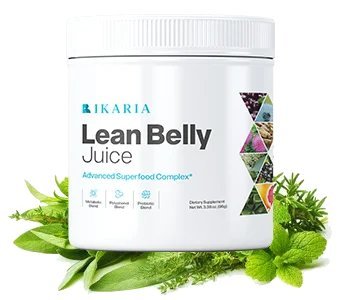
Ikaria Juice (sold as Ikaria Lean Belly Juice) is a powdered dietary supplement named after the Greek island of Ikaria. It is formulated as a convenient powder that blends easily into water or your favorite beverage. It is marketed for metabolism and belly fat; its listed ingredients include milk thistle, dandelion, Panax ginseng, resveratrol, EGCG, citrus pectin and fucoxanthin, none with strong human evidence for weight loss. It is not built around caffeine or other stimulants, though the vendor does not state its caffeine content.
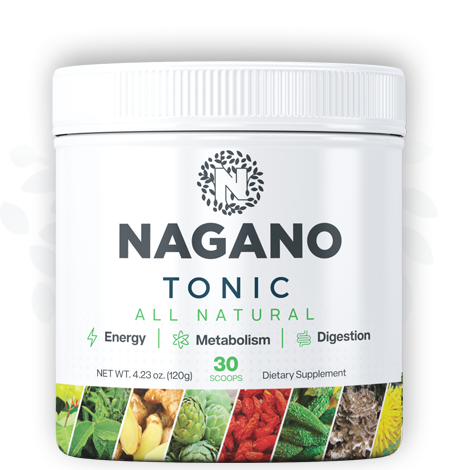
Nagano Tonic, sold as Nagano Lean Body Tonic, is a flavoured powder you stir into water or another drink once a day. Each scoop combines a greens and berry blend, nine herbs including green tea extract, ashwagandha, ginger, cinnamon and Panax ginseng, a small fibre and enzyme blend, five probiotic strains, and vitamins C and B12. It is marketed as a “Japanese elixir” that wakes up a sleeping metabolism. This review covers what the label discloses, what research on its ingredients shows at these amounts, the real package prices and how the 180-day refund works.
Scientific Analysis of EGCG
The Mechanism of Action: How EGCG Works
EGCG acts as an antioxidant in laboratory tests and has other biological effects. In laboratory studies, EGCG reduces oxidative stress and protects cells from DNA damage and lipid peroxidation. One of its most significant mechanisms is the inhibition of catechol-O-methyltransferase (COMT), an enzyme that breaks down norepinephrine. By inhibiting COMT, EGCG allows norepinephrine levels to remain elevated, which signals the body to break down fat cells for energy, a process known as thermogenesis.
Furthermore, EGCG activates the AMPK (AMP-activated protein kinase) pathway. Often referred to as the body's "metabolic master switch," AMPK activation improves insulin sensitivity, enhances fat oxidation, and inhibits the production of new cholesterol in the liver. This dual action on both the nervous system and metabolic pathways makes EGCG a unique tool for body composition management.
Possible Health Benefits of EGCG
- Weight Management and Fat Loss: Effects on weight are small: a Cochrane review found green tea preparations produced weight loss that was not statistically significant or clinically important, and a trial of EGCG alone found no extra fat loss. Some studies suggest EGCG combined with caffeine slightly increases energy use, but the effect on body weight is small.
- Cardiovascular Protection: EGCG supports heart health by improving endothelial function—the ability of blood vessels to dilate and maintain healthy blood pressure. Green tea modestly lowers total and LDL cholesterol in meta-analyses, although this comes from green tea generally rather than EGCG supplements.
- Neuroprotection and Cognitive Health: Research indicates that EGCG can cross the blood-brain barrier. In laboratory studies it protects nerve cells and may affect the amyloid plaques linked to Alzheimer's disease, but this has not been shown in people.
- Anti-Inflammatory Properties: By suppressing pro-inflammatory cytokines and signaling pathways like NF-kB, EGCG helps manage systemic inflammation, which is the root cause of many chronic illnesses.
Scientific Research and Clinical Evidence
EGCG has been widely studied, but the human results are modest. One meta-analysis reported that green tea catechins slightly decreased body weight, but a later Cochrane review judged the weight loss too small to be clinically important. Observational studies have linked drinking green tea to lower heart disease risk, mainly in Asian populations; this does not show that EGCG supplements prevent heart disease.
Laboratory studies show EGCG can kill some cancer cells, but human findings on cancer are inconsistent. This has led to ongoing research into EGCG as a potential adjunct therapy for cellular health and longevity.
Potential Side Effects and Safety Considerations
While EGCG is generally considered safe for most people when consumed in moderate amounts (such as in brewed tea), highly concentrated supplements require caution. The most significant concern is hepatotoxicity (liver toxicity). EFSA found that 800 mg or more of EGCG a day from supplements raises liver enzymes, and in a 12-month trial of 843 mg a day, about 5% of women developed moderate or worse liver abnormalities. EU rules now limit a daily portion to less than 800 mg and warn against taking it on an empty stomach. Symptoms of liver stress may include jaundice, dark urine, or abdominal pain.
Other minor side effects can include nausea, upset stomach, or dizziness, particularly if taken without food. Because green tea extracts often contain caffeine, those sensitive to stimulants should look for decaffeinated EGCG supplements to avoid jitters, insomnia, or an increased heart rate. It is always recommended to consult with a healthcare professional before starting EGCG, especially for individuals with pre-existing liver conditions or those taking medications for blood thinning or blood pressure.
Frequently Asked Questions
Trials used about 270 mg to 843 mg of EGCG a day; stay below 800 mg a day from supplements because of the liver risk. It is generally advised not to exceed 800 mg daily in supplemental form to avoid potential liver stress.
Pure EGCG is a single compound and does not inherently contain caffeine. However, many green tea extracts used in supplements contain naturally occurring caffeine unless they are specifically labeled as 'decaffeinated.'
While taking EGCG on an empty stomach can increase its absorption, it also increases the risk of stomach upset and potential liver toxicity. Taking it with a small, non-protein-heavy meal is generally recommended for safety and comfort.
Any effect of EGCG on weight is small, so diet and exercise matter far more.
⚖️ Conclusion
EGCG is one of the most studied plant compounds, but its proven benefits in people are modest. Green tea modestly lowers cholesterol, while effects on weight are small and brain benefits have not been shown in people. The primary mechanism—combating oxidative stress through its potent antioxidant profile—makes it a versatile addition to any wellness regimen focused on cellular health. Dosage matters: 800 mg or more of EGCG a day from supplements can raise liver enzymes, so stay below that and do not take it on an empty stomach. For optimal results, a daily intake of 400 to 600 mg is recommended, preferably sourced from high-quality, standardized green tea extracts. It is not a meaningful weight-loss aid on its own. If you take it, choose a product that states its EGCG content per serving. People with liver problems, those who are pregnant or breastfeeding, and anyone under 18 should avoid concentrated green tea extracts.