
Digestive Health Product Reviews
Supplements sold for constipation, bloating and “gut health” usually mix probiotics, fiber and herbs, and some contain laxatives. These reviews check what is actually in each formula, what the research supports and where the claims go too far. Constipation that does not improve with simple changes, or comes with warning signs such as blood in the stool, needs a doctor rather than a supplement.
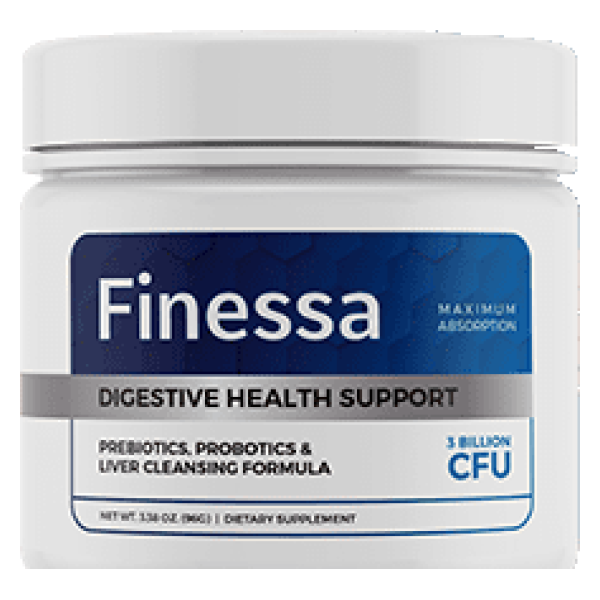
Finessa is a powdered digestive supplement sold for constipation, bloating and a “flatter belly”. One scoop combines fruit and vegetable powders, liver herbs such as dandelion and milk thistle, probiotics and cascara sagrada, a stimulant laxative. This review covers what the label shows, what the research supports, why the laxative matters, side effects, the real prices and how the 180-day refund works.
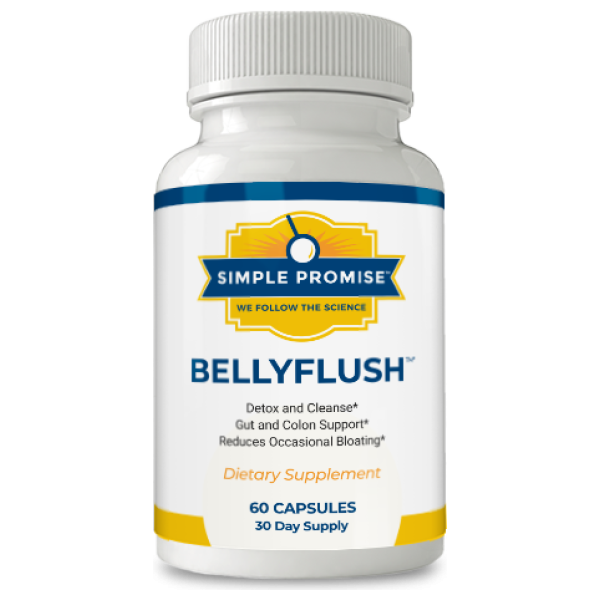
BellyFlush is a capsule from Simple Promise sold to flush out “stuck poop”, flatten the belly and help you lose weight. This review covers its label, which includes three stimulant laxatives, what the research says about laxatives, cleansing and weight, better-tested ways to treat constipation, the real prices and the 365-day refund.
More About Digestive Health Product Reviews
What helps constipation
For occasional constipation, the first steps are simple: more fiber from food or a fiber supplement such as psyllium, enough fluids and regular activity. A few supplements have modest support. In a 2014 meta-analysis of 14 trials in adults with constipation, probiotics added about 1.3 bowel movements a week, with the clearest effect for Bifidobacterium lactis, although the trials varied widely. The European Food Safety Authority accepts that at least 12 g a day of chicory inulin increases stool frequency. The 2023 US guideline on chronic constipation from the American Gastroenterological Association and the American College of Gastroenterology covers fiber, osmotic laxatives such as polyethylene glycol and stimulant laxatives such as senna and bisacodyl.
Laxatives in gut health formulas
Some digestive supplements contain herbal stimulant laxatives such as cascara sagrada, senna or aloe, often without saying how much. Stimulant laxatives work, but over-the-counter laxatives in the US carry a warning not to use them for longer than a week unless a doctor says so. In 2002 the FDA ruled cascara and aloe out of over-the-counter laxative medicines because manufacturers had not supplied the safety data it asked for; both are still sold in supplements. Check the label before taking any gut supplement every day.
When to see a doctor
- See a doctor if constipation does not get better with self-care, or if you have a family history of colon or rectal cancer.
- See a doctor right away if constipation comes with blood in your stool or bleeding from the rectum, constant belly pain, vomiting, fever or weight loss you cannot explain.
- For diarrhea, see a doctor if it lasts more than two days, or comes with a high fever, bloody or black stools, severe pain or signs of dehydration.