
Eye Health and Vision Supplement Reviews
Vision supplements make some of the boldest promises we see, from “20/20 vision in days” to reversing macular degeneration. These reviews check what is actually in each formula, how it compares with the AREDS2 vitamins that have real trial evidence, and where the claims go too far. No supplement restores lost vision or replaces an eye exam.
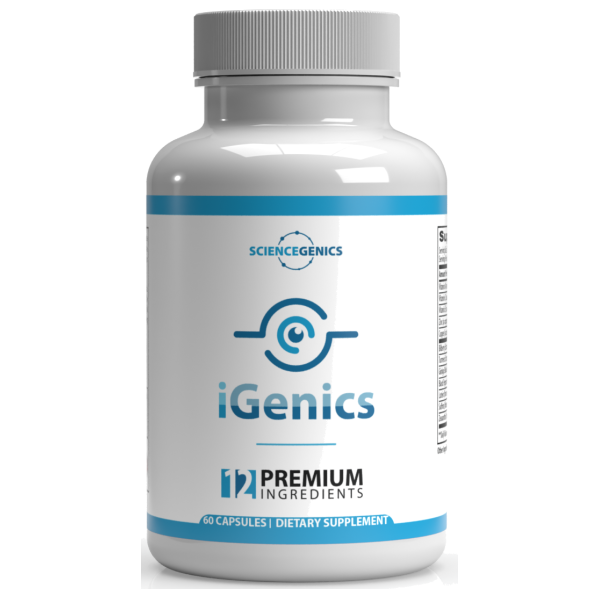
iGenics is a capsule from Science Genics sold for “healthier eyesight”. Its label lists 12 ingredients with full amounts, including vitamin C, zinc, copper, lutein, zeaxanthin, saffron, bilberry, turmeric and ginkgo. This review compares it with the AREDS2 eye vitamins that have real trial evidence, explains who those vitamins help, and covers the prices and the guarantee.
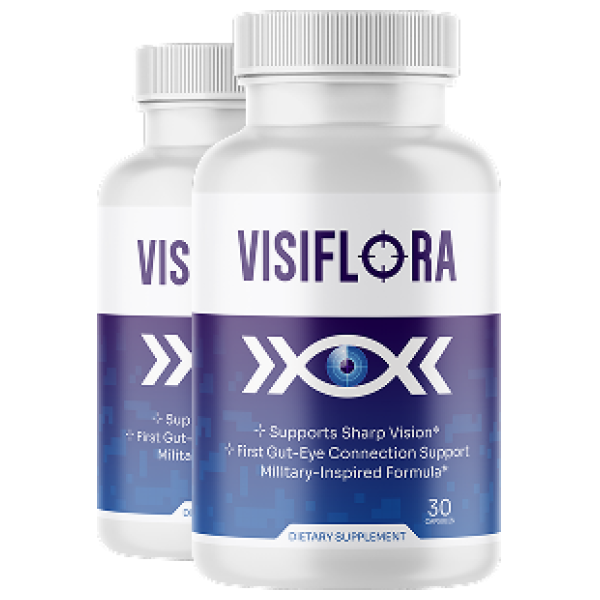
VisiFlora is a one-a-day capsule sold as a “22-in-1” vision formula that “starts in the gut”. Its page names ingredients such as lutein, zeaxanthin, astaxanthin, bilberry, saffron, zinc and beta-carotene, but publishes no label. This review covers what the research shows for those ingredients, why the missing label and the beta-carotene matter, the real prices and the 60-day refund.
More About Eye Health and Vision Supplement Reviews
What the evidence supports
The strongest evidence for any eye supplement comes from two large National Eye Institute trials. In AREDS, 3,640 people aged 55–80 took high doses of vitamins C and E, beta-carotene and zinc, or a placebo, for about six years; the combination cut the odds of developing advanced age-related macular degeneration (AMD) by about a quarter, with the clearest benefit in people who already had intermediate AMD. AREDS2 then replaced beta-carotene with lutein and zeaxanthin, because beta-carotene was linked to more lung cancers in former smokers. These formulas are for people who already have intermediate AMD, or late AMD in one eye. They do not prevent AMD in healthy eyes, they did not reduce cataract surgery, and they do not restore lost vision.
What doesn't help
Bilberry has been sold for night vision for decades, but the most recent randomized trials were negative. In the DREAM trial, fish oil did no better than an olive oil placebo for dry eye. And no supplement has been shown to reverse the age-related loss of close focus that makes reading glasses necessary.
When to see an eye doctor urgently
- Go to an eye doctor or emergency room right away if you notice a lot of new floaters, flashes of light, or a dark shadow or curtain across your vision. These can be signs of a retinal detachment, a medical emergency.
- Sudden loss of vision, or a painful red eye with blurred vision, also needs same-day care.
- Otherwise, have regular eye exams, especially after 55 or if you have diabetes.