
Home » Ingredients » Alpha-Lipoic Acid
Alpha-Lipoic Acid: What It Is, Neuropathy Research and Side Effects
Alpha-lipoic acid is an antioxidant the body makes in small amounts. Short trials of 600 mg a day eased diabetic nerve pain, but longer trials found little effect; it can lower blood sugar.
Last updated 3 November 2026
Alpha-Lipoic Acid: the short answer
Alpha-lipoic acid (ALA, also called lipoic acid or thioctic acid) is a compound the body makes in small amounts and uses in the mitochondria to turn food into energy; supplements provide far more and act as an antioxidant. Its best-studied use is diabetic nerve pain: 600 mg a day given by drip for 3 weeks, or by mouth for 5 weeks, eased burning, stabbing pain and numbness more than a placebo, but a 2024 Cochrane review of trials lasting six months or longer found little or no effect on symptoms. In weight-loss trials it added about 1.3 kg (3 lb) of weight loss. It can cause nausea and skin rashes, can lower blood sugar in people taking diabetes medicines and, rarely, triggers an immune reaction to insulin that causes low blood sugar.
| What it is | A sulfur-containing compound the body makes in small amounts to help turn food into energy; supplements act as an antioxidant. |
|---|---|
| Usual dose | 600 mg once a day in neuropathy trials, on an empty stomach about 30 minutes before a meal. Higher doses worked no better. |
| Neuropathy | Eased symptoms in 3- to 5-week trials; a 2024 Cochrane review found little or no effect on symptoms at six months. |
| Weight | About 1.3 kg (3 lb) more weight loss than placebo in a 2017 analysis of 10 trials. |
| Safety | Rashes, nausea and dizziness, more at high doses; may push blood sugar too low with diabetes medicines; rarely triggers insulin autoimmune syndrome. |
| In products we review | FIMAVYN, VisiFlora |
Sources: Lipoic acid (Linus Pauling Institute, Oregon State University) · Treatment of symptomatic diabetic polyneuropathy with alpha-lipoic acid: a meta-analysis (Diabet Med 2004) · Oral alpha-lipoic acid improves symptomatic diabetic polyneuropathy: the SYDNEY 2 trial (Diabetes Care 2006) · Alpha-lipoic acid over 4 years in diabetic polyneuropathy: the NATHAN 1 trial (Diabetes Care 2011) · Alpha-lipoic acid for diabetic peripheral neuropathy (Cochrane Review 2024) · Alpha-lipoic acid as a supplement for weight loss: meta-analysis of randomized trials (Obes Rev 2017) · Alpha-lipoic acid as a trigger of insulin autoimmune syndrome (Metabol Open 2026)
Benefits of Alpha-Lipoic Acid
What is alpha-lipoic acid?
Alpha-lipoic acid, also called lipoic acid or thioctic acid, is a sulfur-containing compound that plants, animals and people make in small amounts. Inside cells it is bound to enzymes in the mitochondria that turn food into energy. Kidney, heart, liver, spinach and broccoli contain a little. Supplements provide far more, usually 300 to 600 mg, and at those doses free lipoic acid acts as an antioxidant. It comes in two mirror-image forms: R-lipoic acid, the natural form, and S-lipoic acid. Most supplements are a 50:50 mix of the two; R-ALA products contain only the R form.
Why people take it
People take ALA mainly for burning pain, tingling and numbness from diabetic neuropathy, and also for blood sugar, weight loss and as an antioxidant. In Germany it is approved as a treatment for diabetic neuropathy.
Top Rated Supplements with Alpha-Lipoic Acid
Products we review that list Alpha-Lipoic Acid as an ingredient. Not every product discloses how much of each ingredient a serving contains, so check each review before assuming it matches the amounts used in studies.
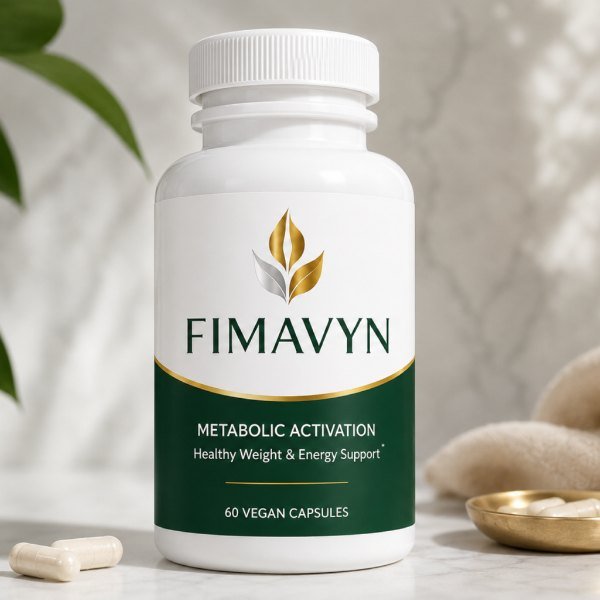
FIMAVYN is a new two-capsule supplement sold as “Metabolic Activation” for healthy weight and energy. This review covers its full label, which discloses most of its doses, what research shows for each ingredient and at what doses, who should check with a doctor first, the prices, shipping and the 60-day guarantee.
VisiFlora is a one-a-day capsule sold as a “22-in-1” vision formula that “starts in the gut”. Its page names ingredients such as lutein, zeaxanthin, astaxanthin, bilberry, saffron, zinc and beta-carotene, but publishes no label. This review covers what the research shows for those ingredients, why the missing label and the beta-carotene matter, the real prices and the 60-day refund.
Scientific Analysis of Alpha-Lipoic Acid
What the research shows
- Diabetic nerve pain, short term: an analysis of four trials with 1,258 people found that 600 mg a day given by drip for 3 weeks reduced pain, burning and numbness in the feet by about a quarter more than a placebo. In the SYDNEY 2 trial, 181 people with diabetic neuropathy took 600, 1,200 or 1,800 mg by mouth or a placebo for 5 weeks: symptom scores fell by about half with ALA against about a third with the placebo, 600 mg worked as well as the higher doses, and nausea, vomiting and dizziness rose with the dose.
- Diabetic nerve pain, longer term: in the four-year NATHAN 1 trial of 460 people, 600 mg a day did not change the main combined measure of nerve function, although some nerve examination scores were better than with the placebo. A 2024 Cochrane review of three trials lasting six months or more, with 816 people, concluded that ALA probably has little or no effect on neuropathy symptoms at six months. Most of the neuropathy trials were run by one German research group and funded by the maker of an ALA medicine. Any benefit seems to be modest and short-term.
- Weight: a 2017 analysis of 10 trials found about 1.3 kg (3 lb) more weight loss with ALA than with a placebo, over a few months.
- Blood sugar: ALA may improve how the body uses insulin, but it is not a substitute for diabetes medicines.
How much alpha-lipoic acid per day
There is no recommended daily amount, because the body makes what it needs. The neuropathy trials used 600 mg once a day; 1,200 and 1,800 mg worked no better and caused more nausea. Food lowers how much is absorbed, so it is usually taken on an empty stomach, about 30 minutes before a meal.
R-lipoic acid or regular ALA?
R-lipoic acid is the form the body makes, and products containing only the R form cost more. The neuropathy trials above used the ordinary 50:50 mix, and there are no good trials showing that R-ALA works better in people.
Side effects and safety
- Common side effects: skin rashes, hives and itching are the most often reported, followed by stomach pain, nausea, vomiting, diarrhoea and dizziness, which become more common at doses above 600 mg.
- Diabetes medicines: with insulin or diabetes tablets, ALA may push blood sugar too low, so check your levels more often and tell your doctor.
- Insulin autoimmune syndrome: rarely, ALA leads the body to make antibodies against its own insulin, causing repeated episodes of low blood sugar, mostly in people with certain inherited immune-system gene types. It usually settles once ALA is stopped and the condition is treated.
- Pregnancy and breastfeeding: there is too little safety information, so ask your doctor first.
Products we review that contain it
FIMAVYN provides 150 mg of alpha-lipoic acid per two capsules, a quarter of the 600 mg used in the neuropathy trials; FIMAVYN is sold for weight, where the trials used 300 to 1,800 mg a day. VisiFlora includes it in its “Gut-Eye Barrier Complex” with no amount stated, and there are no good trials of ALA for eyesight. Neither product is sold for nerve pain; our neuropathy guide covers what helps.
Frequently Asked Questions
A sulfur-containing compound the body makes in small amounts and uses to turn food into energy. Supplements provide much more and act as an antioxidant. It is also called lipoic acid or thioctic acid.
Its best evidence is for diabetic nerve pain in the short term: 600 mg a day for 3 to 5 weeks eased symptoms more than a placebo. Longer trials found little or no effect, and its effect on weight is small.
Short trials in people with diabetes found it eased burning, pain and numbness, but a 2024 Cochrane review of trials lasting six months or more found little or no effect on symptoms. Ask your doctor before relying on it.
There is no recommended amount. Neuropathy trials used 600 mg once a day; 1,200 and 1,800 mg worked no better and caused more nausea.
On an empty stomach, about 30 minutes before a meal, because food lowers how much is absorbed.
Skin rashes, hives and itching, stomach pain, nausea, vomiting, diarrhoea and dizziness, more often at high doses. It can push blood sugar too low with diabetes medicines and, rarely, triggers insulin autoimmune syndrome.
Only a little: a 2017 analysis of 10 trials found about 1.3 kg (3 lb) more weight loss than with a placebo over a few months.
R-lipoic acid is the natural form, but the neuropathy trials used the ordinary 50:50 mix of R and S forms, and there are no good trials showing that R-ALA works better.
Many trials were in people with diabetes, but it can lower blood sugar further when taken with insulin or diabetes tablets, so talk to your doctor and check your levels more often.
Among the products we review, FIMAVYN provides 150 mg per two capsules, and VisiFlora includes it in a blend with no amount stated.
⚖️ Conclusion
Alpha-lipoic acid has real but limited evidence: in people with diabetic neuropathy, 600 mg a day eased symptoms over three to five weeks, yet trials lasting six months to four years found little or no lasting benefit, and most of the research came from one group funded by a manufacturer. Its effect on weight is about 1.3 kg. If you have diabetes and want to try it for nerve pain, take 600 mg before a meal, check your blood sugar and talk to your doctor; the smaller amounts in the products we review are not what the trials tested.