
Home » Common Issues » Arthritis Symptoms
Arthritis Symptoms: A Comprehensive Guide to Identifying and Managing Joint Pain
Early signs of arthritis, the difference between osteoarthritis and rheumatoid arthritis, what helps joint pain and stiffness, and when to see a doctor.
Understanding Arthritis Symptoms
Understanding the Complexity of Arthritis Symptoms
Arthritis is often misunderstood as a single disease, but it is actually an umbrella term covering more than 100 different conditions that affect the joints and surrounding tissues. While the underlying causes vary—ranging from the mechanical wear and tear of osteoarthritis to the autoimmune responses of rheumatoid arthritis—most cause joint pain and stiffness, and some, such as rheumatoid arthritis and gout, are driven mainly by inflammation. Recognizing arthritis symptoms early is critical because many forms of the disease are progressive. In inflammatory types, untreated inflammation can lead to permanent joint damage, loss of mobility, and a significant decrease in quality of life. Understanding the nuances of how these symptoms manifest is the first step toward effective management and long-term joint preservation.
The Primary Indicators: Pain and Stiffness
The most common symptom reported by individuals with arthritis is joint pain, often referred to as arthralgia. This pain can be constant or intermittent, and it may be felt while moving or even while at rest. In cases of osteoarthritis, the pain typically worsens after physical activity or at the end of a long day. Conversely, inflammatory types like rheumatoid arthritis often present with pain that is most severe first thing in the morning. Morning stiffness is a common sign of inflammatory arthritis; if it regularly takes more than 30 to 60 minutes for your joints to "loosen up," see a doctor, as it may point to an inflammatory condition such as rheumatoid arthritis rather than osteoarthritis.
Visible Changes: Swelling, Redness, and Warmth
Inflammation within a joint often produces visible and tactile changes. When the lining of the joint (the synovium) becomes inflamed, it may produce excess fluid, leading to swelling or edema. The affected area might appear puffy or enlarged compared to the opposite side of the body. In more acute cases, the skin over the joint may appear red or feel warm to the touch. This warmth is a direct result of increased blood flow to the area as the body attempts to manage the inflammatory response. A hot, red or swollen joint without a clear injury, especially with a fever, needs prompt medical assessment, as it can be a sign of infection or gout.
Reduced Range of Motion and Crepitus
As arthritis progresses, the physical structure of the joint changes. Cartilage, the slippery tissue that cushions the ends of bones, begins to thin or wear away entirely. This loss of cushioning leads to a reduced range of motion, making it difficult to perform simple tasks like bending the knee, turning a doorknob, or reaching overhead. You may also experience a sensation known as crepitus—a grinding, popping, or crunching sound when the joint moves. While occasional joint popping is normal, crepitus with pain or swelling can be a sign that the joint surfaces or cartilage are damaged and is worth having checked.
Systemic Symptoms: Beyond the Joints
Certain types of arthritis are systemic, meaning they affect the entire body, not just the musculoskeletal system. For example, people with rheumatoid arthritis or lupus-related arthritis may experience profound fatigue that does not improve with rest. This fatigue is linked to the disease's inflammation, although pain, poor sleep, anemia and low mood can also contribute. Other systemic symptoms can include a low-grade fever, a general sense of malaise, or unintended weight loss. In some cases, arthritis can even impact internal organs, including the heart, lungs, and eyes, highlighting the importance of a holistic approach to diagnosis and treatment.
The Impact of Weather and Environment
Many individuals living with arthritis report that their symptoms fluctuate based on environmental factors. One theory is that changes in barometric pressure—often occurring before a storm or a cold front—affect the tissues around the joints, but this has not been proven. Scientific studies on the "weather-joint pain" connection have yielded mixed results, although many patients say they notice it. Some people find that cold, damp weather worsens their stiffness, so keeping joints warm in colder months may be worth trying.
When to Seek Professional Consultation
It is easy to dismiss joint pain as a natural part of aging, but persistent symptoms should never be ignored. If you experience joint pain or stiffness that lasts for more than three days, or if you have several episodes of joint symptoms within a month, it is time to consult a healthcare professional. Early diagnosis is particularly vital for autoimmune forms of arthritis, where early aggressive treatment with disease-modifying medicines can control inflammation and help slow or prevent irreversible joint damage. A rheumatologist can utilize blood tests, imaging like X-rays or MRIs, and physical examinations to pinpoint the specific type of arthritis and develop a tailored treatment strategy.
Lifestyle Adjustments for Symptom Relief
While medical treatment is often necessary, lifestyle changes also play an important role in managing arthritis symptoms. Maintaining a healthy weight is paramount, as excess body weight puts additional mechanical stress on weight-bearing joints like the knees and hips. Body fat also releases inflammatory substances, which researchers think may contribute to arthritis beyond the extra load on the joints. Low-impact exercise, such as swimming or cycling, is recommended for most people with arthritis and helps strengthen the muscles that support the joints. Diet may also help; a diet rich in oily fish, vegetables, fruit and fiber supports general health, and omega-3 fats may modestly ease rheumatoid arthritis symptoms.
At a Glance: The Products Compared
| Product | Our score | Price per bottle | Money-back | |
|---|---|---|---|---|
| Joint Genesis | 4.5/5 | $49–$79 | 180 days | Read review → |
| Arctic Blast | 3.2/5 | $33.33–$59.95 | 365 days | Read review → |
| JointVive | 3.1/5 | $29–$69 | 365 days | Read review → |
Scores use our published rubric. Prices are the official site's per-bottle price, from the largest package to the smallest; shipping and taxes can change the total, so check it at checkout.
Top Recommended Products for Arthritis Symptoms

Joint Genesis is a dietary supplement designed by BioDynamix to support joint health by focusing on the quality of synovial fluid, often referred to as 'joint jelly.' Unlike many traditional supplements that focus solely on cartilage, this formula aims to maintain the thickness and lubricating properties of the fluid that cushions your joints. It is primarily formulated for older adults or those experiencing the common stiffness associated with aging and daily physical activity.
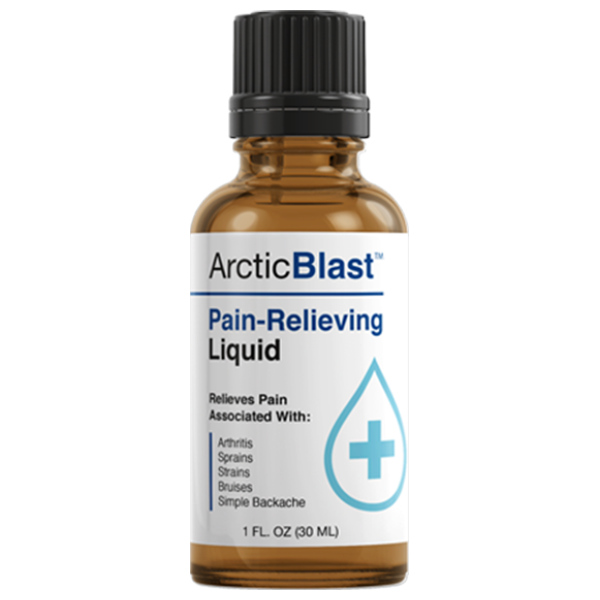
Arctic Blast is a pain-relief liquid you rub on sore joints and muscles, sold through ClickBank with a story about DMSO. This review covers its registered drug label (menthol 10%, camphor 3%), what the research shows, which topical treatments have better evidence, the real prices and the 365-day refund.

JointVive is a liquid supplement from Nutraville sold for joint comfort, flexibility and mobility, taken as “one drop per day” from a 60 ml dropper bottle. It names nine ingredients: pine bark extract, tamarind, chlorella, ginkgo biloba, spirulina, lion’s mane mushroom, bacopa, moringa and neem, with no amounts. This review covers what is known about each, why only two of them have any joint research, the real prices and how the 365-day refund works.
Frequently Asked Questions
The earliest signs often include a dull ache at the base of the thumb or in the knuckles, stiffness in the fingers upon waking, and difficulty with fine motor tasks like buttoning a shirt or opening a jar.
While most arthritis develops gradually, gout and infectious (septic) arthritis can cause sudden, intense pain and swelling; a hot, swollen joint with a fever needs urgent medical care.
Muscle pain is usually felt in the soft tissues and often improves with rest or gentle stretching over a few days. Arthritis pain is localized within the joint itself and is frequently accompanied by stiffness, swelling, or a grinding sensation.
Yes, especially in the early stages of osteoarthritis, you may experience significant pain and stiffness without visible swelling or redness.
⚖️ Conclusion
Managing arthritis symptoms is a multifaceted journey that requires patience, persistence, and a proactive mindset. Recognizing the early signs—whether it is a lingering ache in the morning or a sudden swelling in the knuckles—is the first and most critical step toward preserving your long-term mobility and quality of life. While the diagnosis can feel overwhelming, it is important to remember that modern medicine and lifestyle interventions offer more hope than ever before. Exercise, weight management and modern medicines can ease symptoms, and for inflammatory types such as rheumatoid arthritis, early treatment can slow joint damage. Do not ignore the signals your body is sending; persistent joint discomfort is not a natural part of aging that must be endured in silence. By working closely with healthcare professionals and making informed adjustments to your daily routine, many people can manage flares and maintain an active, fulfilling lifestyle. Ultimately, the goal is not just to treat the pain but to protect the integrity of your joints for the years ahead. Supplements are not a substitute for diagnosis, prescribed treatment or exercise.
Related Issues
Explore other topics related to Arthritis Symptoms.