
Home » Common Issues » Joint Stiffness
Understanding Joint Stiffness: How to Reclaim Your Mobility and Comfort
Discover why your joints feel stiff, from morning aches to chronic conditions. Learn expert-backed strategies for mobility, relief, and long-term joint health.
Understanding Joint Stiffness
Joint stiffness is a sensation that many of us will experience at some point in our lives, often described as a feeling of resistance or difficulty when trying to move a joint through its normal range of motion. It can range from a fleeting annoyance after a long night of sleep to a debilitating chronic condition that impacts daily activities like walking, typing, or simply standing up from a chair. While it is frequently associated with the natural aging process, joint stiffness is not an inevitable part of growing older. Understanding the nuances of why our joints lose their fluidity is the first step toward reclaiming mobility and improving quality of life.
The Physiology Behind Stiff Joints
At its core, joint stiffness occurs when there is an issue with the components that facilitate movement: the cartilage, the synovial fluid, or the surrounding soft tissues like tendons and ligaments. Cartilage acts as a shock absorber, allowing bones to glide smoothly over one another. Synovial fluid serves as a lubricant, reducing friction within the joint capsule. When the cartilage thins or the production of synovial fluid decreases—often due to inflammation or wear and tear—the mechanical efficiency of the joint is compromised. This leads to that characteristic feeling of rustiness or tightness that makes movement feel labored.
Identifying Common Causes and Triggers
One of the most prevalent causes of joint stiffness is osteoarthritis, a degenerative wear and tear condition where the protective cartilage on the ends of your bones wears down over time. However, it is not the only culprit. Rheumatoid arthritis, an autoimmune disorder, causes the body's immune system to attack the lining of the joint capsule, leading to significant inflammation and stiffness, particularly in the morning. Other factors include bursitis, tendonitis, and even lifestyle habits like prolonged inactivity. If you spend eight hours a day at a desk without moving, your joints are essentially remaining in a static position, which can lead to temporary stiffness as the soft tissues tighten and the fluid becomes less viscous.
The Phenomenon of Morning Stiffness
Many individuals report that their symptoms are most severe immediately upon waking. This is often referred to as gelling, where the synovial fluid inside the joints thickens during periods of inactivity. For those with inflammatory conditions, this morning stiffness can last for an hour or more. In contrast, those with mechanical issues like osteoarthritis might find their stiffness dissipates within 30 minutes as they begin to move and warm up the joint. Understanding the duration of your morning stiffness can be a vital diagnostic tool for healthcare providers in determining the underlying cause of your discomfort.
Practical Strategies for Improving Mobility
Managing joint stiffness requires a multi-faceted approach. Movement is medicine; low-impact exercises such as swimming, cycling, and yoga are excellent for maintaining joint flexibility without placing undue stress on the skeletal system. Strength training is also crucial, as stronger muscles provide better support for the joints they surround, taking some of the load off the articular surfaces. Additionally, incorporating dynamic stretching into your daily routine can help keep the connective tissues pliable and ready for the demands of the day. Consistency is key when it comes to exercise; even ten minutes of gentle movement can significantly reduce the sensation of tightness.
The Impact of Nutrition and Hydration
What you put into your body significantly influences the health of your joints. Dehydration can lead to a decrease in the volume of synovial fluid, making joints feel stiffer. Conversely, an anti-inflammatory diet rich in omega-3 fatty acids—found in fatty fish like salmon and walnuts—can help reduce the systemic inflammation that contributes to joint pain. Ingredients like turmeric and ginger have also been studied for their natural anti-inflammatory properties and can be easily integrated into a healthy diet. Maintaining a healthy weight is perhaps the most impactful nutritional strategy, as excess body weight places significant mechanical stress on weight-bearing joints like the knees and hips, accelerating the degradation of cartilage.
Environmental Factors and Temperature
Many people find that their joint stiffness worsens during cold or damp weather. While the exact scientific link is still being studied, one theory suggests that changes in barometric pressure can cause the tissues around the joints to expand and contract, leading to pain and stiffness. Keeping the joints warm through the use of heated wraps, warm baths, or simply dressing in layers can help maintain blood flow and keep the synovial fluid at an optimal viscosity. Localized heat therapy is a time-tested method for soothing stiff muscles and joints, providing immediate, albeit temporary, relief.
When to Seek Professional Guidance
While occasional stiffness from a hard workout or a cold morning is normal, persistent or worsening symptoms should not be ignored. If joint stiffness is accompanied by swelling, redness, warmth, or a fever, it may indicate an underlying infection or a systemic inflammatory condition that requires medical intervention. Consulting with a rheumatologist or a physical therapist can provide you with a tailored plan to address the root cause of your discomfort. Early intervention is key to preventing long-term joint damage and ensuring that you can remain active and independent for years to come. Do not let stiffness become your new normal when there are numerous clinical and lifestyle interventions available.
Top Recommended Products for Joint Stiffness
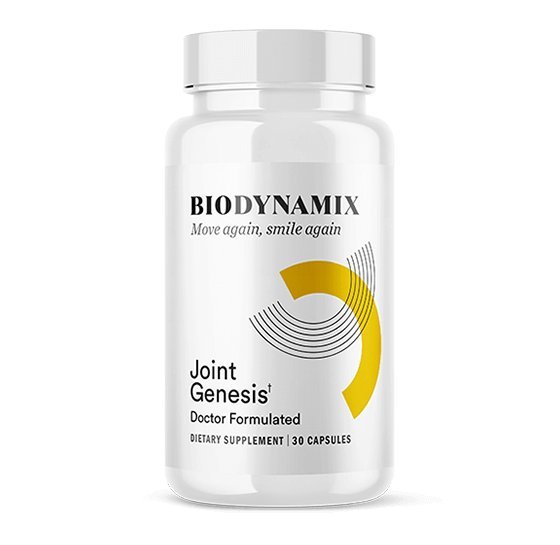
Joint Genesis is a dietary supplement designed by BioDynamix to support joint health by focusing on the quality of synovial fluid, often referred to as 'joint jelly.' Unlike many traditional supplements that focus solely on cartilage, this formula aims to maintain the thickness and lubricating properties of the fluid that cushions your joints. It is primarily formulated for older adults or those experiencing the common stiffness associated with aging and daily physical activity.
Frequently Asked Questions
Morning stiffness, often called 'gelling,' occurs because synovial fluid thickens during sleep and inactivity. For most, it clears up within 30 minutes of moving, but if it lasts longer than an hour, it may indicate an inflammatory condition like rheumatoid arthritis.
Yes, hydration is critical for joint health. Synovial fluid, which lubricates your joints, is largely made of water. When you are dehydrated, the friction between your joints can increase, leading to a feeling of stiffness and discomfort.
Generally, heat is better for stiffness as it relaxes muscles and improves circulation to the area. Ice is typically reserved for acute injuries or active swelling and inflammation to numb the pain and reduce fluid buildup.
Low-impact activities are ideal. Swimming, water aerobics, cycling, and Tai Chi are excellent choices because they improve range of motion and strength without the high-impact stress of running or jumping.
⚖️ Conclusion
Addressing joint stiffness is a proactive journey that combines medical understanding with consistent lifestyle adjustments. It is important to recognize that while some degree of stiffness may occur with age or inactivity, it should never be accepted as a barrier to a fulfilling life. By prioritizing regular low-impact movement, maintaining optimal hydration, and consuming a diet rich in anti-inflammatory nutrients, you can significantly enhance your joint lubrication and overall flexibility. Remember that the body is designed for motion; the use it or lose it principle applies heavily to musculoskeletal health. If your stiffness is persistent, painful, or interferes with your daily routine, seeking a professional evaluation is a vital step. Do not wait for the discomfort to become chronic before taking action. Small, daily commitments to your physical health—such as stretching every morning or choosing water over sugary drinks—can yield profound long-term benefits. Reclaiming your mobility starts with the decision to support your joints today, ensuring a more active and comfortable tomorrow.
Related Issues
Explore other topics related to Joint Stiffness.