
Home » Common Issues » Knee Pain
The Ultimate Guide to Knee Pain Relief: Causes, Treatments, and Prevention Strategies
Discover the root causes of knee pain, effective home remedies, and professional treatments to restore mobility and improve your joint health naturally.
Understanding Knee Pain
The Complex Anatomy of the Knee Joint
Knee pain is one of the most prevalent musculoskeletal complaints in the United States, impacting individuals of all ages and lifestyles. To understand why knee pain is so common, one must first appreciate the intricate anatomy of this essential joint. The knee is the largest joint in the human body, acting as a complex hinge that facilitates movement while bearing the majority of the body's weight. It is formed by the junction of three primary bones: the femur (thigh bone), the tibia (shin bone), and the patella (kneecap). These bones are held together by a network of ligaments and tendons, and they are cushioned by specialized cartilage known as the meniscus. Because the knee is responsible for absorbing significant mechanical stress during daily activities like walking, climbing stairs, and running, it is particularly susceptible to both acute injuries and degenerative conditions.
Identifying the Common Causes of Knee Discomfort
Knee pain can arise from a wide variety of sources, ranging from sudden trauma to long-term wear and tear. One of the most frequent causes of acute pain is ligamentous injury. This includes tears to the Anterior Cruciate Ligament (ACL), which often occurs during sports that involve sudden stops or changes in direction. Similarly, injuries to the Medial Collateral Ligament (MCL) or the Meniscus can cause immediate instability and sharp pain. Beyond acute trauma, chronic conditions like osteoarthritis are leading contributors to knee dysfunction, especially in older adults. Osteoarthritis occurs when the protective cartilage that cushions the ends of the bones wears down over time, leading to bone-on-bone friction, inflammation, and stiffness. Other potential culprits include bursitis—inflammation of the small, fluid-filled sacs that cushion the joint—and patellar tendonitis, often referred to as jumper's knee, which involves irritation of the tendon connecting the kneecap to the shin bone.
Recognizing Symptoms That Demand Attention
While occasional mild soreness after a long walk might not be a cause for alarm, certain symptoms indicate a more serious underlying issue that requires clinical evaluation. Persistent swelling and redness are clear signs of inflammation that should not be ignored. If you experience a sensation of the knee "giving out" or feeling unstable, it may suggest a ligament tear. Furthermore, mechanical symptoms such as clicking, popping, or the knee "locking" in place often point toward a meniscus tear or a loose fragment of bone or cartilage within the joint space. Perhaps most critically, if you are unable to fully extend or flex your knee, or if you cannot bear weight on the affected leg, it is imperative to seek a professional diagnosis to prevent further damage and long-term disability.
The Role of Biomechanics and Lifestyle Factors
It is a common misconception that knee pain is solely the result of a direct hit or a specific injury. In many cases, the pain is a manifestation of poor biomechanics or lifestyle factors. For instance, individuals with flat feet or high arches may experience altered gait patterns that place excessive stress on the knee joint. Additionally, weakness in the surrounding musculature—specifically the quadriceps, hamstrings, and gluteal muscles—can force the knee joint to absorb more impact than it was designed to handle. Weight management also plays a pivotal role in joint health. For every pound of excess body weight, an additional four pounds of pressure is exerted on the knees with every step taken. Over time, this cumulative stress accelerates the degradation of joint tissues, making weight optimization a cornerstone of any long-term knee health strategy.
Evidence-Based Strategies for Pain Management and Recovery
Managing knee pain effectively requires a multi-faceted approach that addresses both the symptoms and the underlying cause. For minor injuries, the R.I.C.E. protocol (Rest, Ice, Compression, and Elevation) remains a gold standard for initial home care. However, long-term recovery usually involves physical therapy, which focuses on strengthening the muscles that support the joint and improving flexibility. Low-impact exercises, such as swimming, cycling, or using an elliptical machine, are excellent ways to maintain cardiovascular health without aggravating the joint. In cases of chronic inflammation, medical professionals may recommend over-the-counter anti-inflammatories or, in more severe instances, corticosteroid or hyaluronic acid injections. Surgery, such as arthroscopy or total knee replacement, is typically reserved for cases where conservative treatments have failed to provide relief or where structural damage is extensive.
Preventative Measures for Long-Term Joint Longevity
Prevention is always better than cure when it comes to joint health. Maintaining a consistent exercise routine that emphasizes functional strength and mobility can significantly reduce your risk of developing knee problems. Focus on strengthening the hips and core, as these areas provide the stability necessary to keep the knees properly aligned. Choosing appropriate footwear that provides adequate support and cushioning is also vital, especially for those who spend long hours on their feet. Finally, listen to your body; avoid pushing through sharp pain during exercise. By respecting your physical limits and prioritizing recovery, you can ensure that your knees remain strong and functional throughout your life. Authoritative health sources consistently emphasize that a proactive approach to joint care is the most effective way to maintain independence and vitality as we age.
Top Recommended Products for Knee Pain
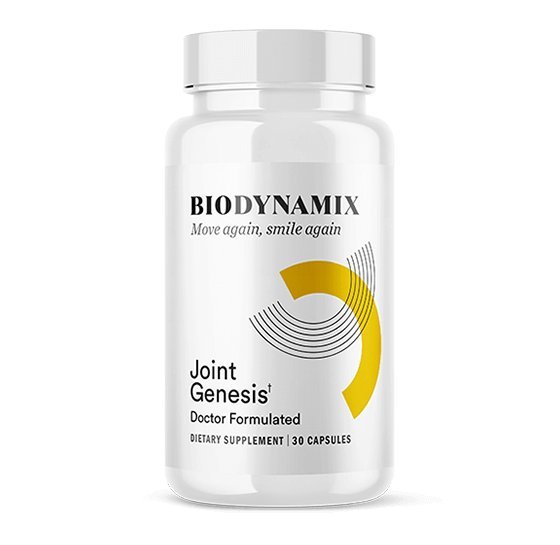
Joint Genesis is a dietary supplement designed by BioDynamix to support joint health by focusing on the quality of synovial fluid, often referred to as 'joint jelly.' Unlike many traditional supplements that focus solely on cartilage, this formula aims to maintain the thickness and lubricating properties of the fluid that cushions your joints. It is primarily formulated for older adults or those experiencing the common stiffness associated with aging and daily physical activity.
Frequently Asked Questions
Popping or clicking sounds, known as crepitus, are often caused by gas bubbles moving in the joint fluid or tendons snapping over bony structures. If the popping is painless, it is usually harmless. However, if it is accompanied by pain or swelling, it may indicate a meniscus tear or cartilage damage.
Generally, walking is better for those with knee pain as it is a lower-impact activity that puts less stress on the joints. Running can exert force up to three to four times your body weight on the knees. If you have pain, start with walking and gradually increase intensity as your strength improves.
Arthritis pain typically develops gradually and is often characterized by morning stiffness that improves with movement. You may also notice a decreased range of motion and increased discomfort during cold or damp weather. A definitive diagnosis requires an X-ray or MRI from a healthcare professional.
Use ice for acute injuries or sudden flare-ups to reduce swelling and numb the pain. Heat is generally better for chronic stiffness or muscle soreness, as it helps to increase blood flow and relax the tissues. If you have significant swelling, avoid heat and stick to cold therapy.
⚖️ Conclusion
Knee pain is more than just a minor physical inconvenience; it is a signal from your body that requires attention and action. Whether your discomfort stems from an acute injury or a chronic condition like osteoarthritis, the path to recovery involves a balanced approach of rest, targeted strengthening, and professional guidance. Ignoring the symptoms can lead to compensatory injuries and long-term mobility issues, making early intervention critical. By prioritizing joint health through weight management, low-impact exercise, and proper biomechanics, you can significantly reduce the strain on your knees. Remember that every individual is unique, and what works for one person may not be suitable for another. Consult with a healthcare professional to develop a personalized plan that addresses your specific needs. Taking proactive steps today will not only alleviate your current pain but also safeguard your mobility for years to come. Your joints are the foundation of your independence, so treat them with the care and respect they deserve to maintain an active, fulfilling lifestyle free from the limitations of chronic pain.
Related Issues
Explore other topics related to Knee Pain.