
Home » Common Issues » Low Testosterone
Low Testosterone: A Comprehensive Guide to Symptoms, Causes, and Restoration
A comprehensive guide to low testosterone (hypogonadism). Learn about symptoms, causes, diagnostic testing, and medical treatment options for men.
Understanding Low Testosterone
The Biological Foundation of Testosterone
Testosterone is often colloquially referred to as the primary male sex hormone, but its influence extends far beyond reproductive health. It is a vital steroid hormone produced primarily in the testicles, though the adrenal glands also contribute a small amount. This hormone serves as a critical driver for numerous physiological processes, including the maintenance of bone density, the distribution of body fat, the regulation of muscle mass and strength, and the production of red blood cells. Beyond the physical, testosterone is a major regulator of mood, cognitive function, and libido. For most men, testosterone levels peak during late adolescence and early adulthood. However, as the body transitions into the fourth decade of life, it is physiologically normal for these levels to undergo a gradual decline, typically decreasing by approximately one percent every year after age 30. When these levels drop significantly below the standard physiological range or are accompanied by a cluster of debilitating symptoms, the condition is clinically recognized as hypogonadism, more commonly known as low testosterone.
Identifying the Multi-Faceted Symptoms of Low T
The manifestation of low testosterone is rarely a single, isolated event. Instead, it often presents as a complex array of symptoms that can emerge so gradually they are mistaken for the natural signs of aging. One of the most common complaints is a profound sense of fatigue that does not improve with rest. Men may find themselves lacking the energy to complete tasks that were once routine, or feeling a sense of 'brain fog' that impairs focus and mental clarity. Sexual health is also a primary indicator; a noticeable decrease in libido, a reduction in the frequency of spontaneous erections, and challenges with erectile dysfunction are hallmark signs that warrant medical investigation. Furthermore, the physical changes can be distressing. Men with low T often experience a decrease in lean muscle mass, even while maintaining a consistent exercise regimen, accompanied by an increase in visceral body fat, particularly around the midsection. In some cases, low levels can lead to gynecomastia, which is the development of breast tissue, or a loss of body and facial hair. Perhaps most importantly, the psychological impact cannot be overlooked. Low testosterone is frequently linked to irritability, increased anxiety, and symptoms of depression, making it a holistic health issue rather than a purely physical one.
Primary vs. Secondary Hypogonadism: Understanding the Root Causes
To effectively address low testosterone, it is crucial to understand the underlying mechanism causing the deficiency. Clinicians generally categorize the condition into two main types: primary and secondary hypogonadism. Primary hypogonadism, also known as primary testicular failure, originates in the testicles themselves. This can be caused by an inherited trait, such as Klinefelter syndrome, or acquired through physical injury, mumps orchitis, or certain types of cancer treatments like chemotherapy and radiation. In these instances, the brain sends the signal to produce testosterone, but the testicles are unable to respond. Conversely, secondary hypogonadism indicates that the testicles are functional, but the signaling mechanism from the brain—specifically the hypothalamus or the pituitary gland—is malfunctioning. This form of the condition is often linked to lifestyle factors and metabolic health. Obesity is a significant contributor, as excess adipose tissue can convert testosterone into estrogen, further depressing hormonal balance. Other causes include chronic inflammatory diseases, the use of certain medications like opioids, obstructive sleep apnea, and high levels of chronic stress, which elevates cortisol and suppresses the endocrine system’s natural rhythm.
The Clinical Path to Diagnosis
Diagnosing low testosterone requires more than a simple checklist of symptoms; it necessitates a rigorous clinical evaluation and precise laboratory testing. Because testosterone levels fluctuate throughout the day—peaking in the early morning hours—most physicians require at least two separate blood tests, usually performed before 10:00 AM, to confirm a diagnosis. These tests typically measure total testosterone, which is the sum of all testosterone in the bloodstream. However, a more nuanced view is often needed, involving the measurement of free testosterone. This represents the tiny fraction of the hormone that is not bound to proteins like Sex Hormone-Binding Globulin (SHBG) and is therefore available for the body to use. A comprehensive diagnostic panel will also look at Luteinizing Hormone (LH) and Follicle-Stimulating Hormone (FSH) to determine if the issue is primary or secondary, as well as prolactin and iron levels to rule out other underlying pathologies. It is essential for patients to work with a specialist, such as an urologist or an endocrinologist, to ensure that the results are interpreted within the context of their overall health profile and that other conditions mimicking low T, such as thyroid dysfunction or clinical depression, are accurately excluded.
Modern Treatment Modalities and Lifestyle Interventions
Once a diagnosis of low testosterone is confirmed, the focus shifts toward restoration and symptom management. The most common medical intervention is Testosterone Replacement Therapy (TRT). TRT is available in several delivery methods, including topical gels, transdermal patches, long-acting injections, and subcutaneous pellets. The goal of TRT is not to achieve supra-physiological levels, but rather to return the patient to a healthy, mid-normal range that alleviates symptoms and protects long-term health. While TRT can be transformative, it is not without risks and requires ongoing monitoring of hematocrit levels, prostate health, and cardiovascular markers. For those not ready for or requiring medical therapy, lifestyle optimization remains a powerful tool. Prioritizing high-quality sleep is perhaps the most effective natural intervention, as the majority of testosterone production occurs during REM cycles. Resistance training and high-intensity interval training (HIIT) have also been shown to provide acute boosts in hormonal output. Additionally, a diet rich in zinc, vitamin D, and healthy fats provides the necessary precursors for hormone synthesis. Managing chronic stress and reducing alcohol consumption can also significantly improve the body's natural ability to maintain hormonal homeostasis, creating a foundation for long-term vitality and well-being.
Top Recommended Products for Low Testosterone
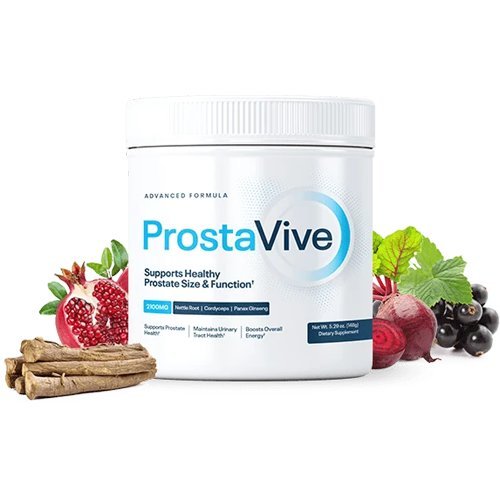
In the landscape of men's health, few issues are as persistent and frustrating as prostate-related discomfort. ProstaVive has emerged as a leading natural solution designed to address the root causes of urinary frequency, bladder pressure, and interrupted sleep. This advanced formula blends potent herbal extracts, essential minerals, and antioxidants to support a healthy prostate size and optimize urinary flow. Many ProstaVive Reviews highlight the product's ability to help men regain control over their daily lives and nocturnal habits. By targeting inflammation and hormonal imbalances, ProstaVive aims to provide a long-term strategy for men over 40 who want to maintain their vitality.
Frequently Asked Questions
While ranges vary by laboratory, a 'normal' total testosterone level generally falls between 300 and 1,000 nanograms per deciliter (ng/dL). However, doctors emphasize that the number is less important than the presence of symptoms, as some men may feel healthy at the lower end of the range while others experience significant symptoms.
Yes, chronic stress triggers the prolonged release of cortisol, a hormone that has an inverse relationship with testosterone. High cortisol levels can inhibit the signaling between the brain and the testes, leading to a temporary but significant drop in testosterone production.
Lifestyle changes can significantly impact hormonal health. Key strategies include getting 7-9 hours of quality sleep, engaging in regular strength training, maintaining a healthy body weight, and ensuring adequate intake of Vitamin D and Zinc. While these may not cure clinical hypogonadism, they can optimize natural production.
In many cases, yes. TRT provides the body with the hormone it is no longer producing on its own. If a patient stops treatment, their levels will typically return to their previous low state. However, if the underlying cause was a temporary lifestyle factor, such as obesity, and that factor is corrected, some men may be able to transition off therapy under medical supervision.
⚖️ Conclusion
Low testosterone is more than just a matter of physical performance; it is a fundamental health concern that affects your metabolic, cardiovascular, and psychological well-being. Recognizing the subtle shift in your energy levels, mood, and physical composition is the first step toward reclaiming your vitality. It is essential to remember that while age plays a role in hormonal decline, significant drops in testosterone are often symptomatic of underlying issues that require professional medical intervention. Self-diagnosing or relying on over-the-counter supplements without clinical guidance can be ineffective or even counterproductive. The most effective approach involves a combination of comprehensive blood testing, lifestyle optimization—such as improving sleep hygiene and resistance training—and working closely with an endocrinologist or urologist to determine if testosterone replacement therapy is appropriate for your specific needs. By taking a proactive, science-based approach to your hormonal health, you can mitigate the long-term risks associated with hypogonadism and significantly improve your overall quality of life. Do not let the stigma surrounding hormonal health prevent you from seeking the professional care you deserve for a healthier, more energized future.
Related Issues
Explore other topics related to Low Testosterone.