
Home » Common Issues » Lung Health
Best Supplements for Lung Health: What the Evidence Supports
Which lung supplements have evidence: NAC for COPD flare-ups, vitamin D, honey, pelargonium and ivy for cough, and the “lung detox” claims and risks to avoid.
Understanding Lung Health
Lung supplements promise to detox the lungs, clear mucus and help you breathe freely. This guide looks at what trials actually show: a few supplements help specific problems, such as COPD flare-ups or a short-term cough, none repairs lung damage, and the measures that protect your lungs most are not supplements at all. The short version: if you smoke, stopping matters more than anything else, and if you have COPD or asthma, keep using your prescribed treatment.
Common lung problems
- COPD (chronic obstructive pulmonary disease, including emphysema and chronic bronchitis): long-term airflow limitation, usually from smoking, with breathlessness, cough and mucus.
- Asthma: inflamed, sensitive airways that narrow in attacks, controlled with inhalers.
- Acute bronchitis and chest colds: a short-term cough after a viral infection, which usually clears within three weeks.
- Bronchiectasis and other chronic conditions that cause daily mucus need a specialist’s care.
What protects your lungs most
In the Lung Health Study, men who quit smoking lost lung function at about 30 mL a year, against 66 mL a year in men who kept smoking, and after 11 years 38% of continuing smokers had lung function below 60% of the normal value, against 10% of quitters. For people with COPD, pulmonary rehabilitation, a supervised program of exercise and education usually lasting eight to twelve weeks, improved breathlessness, fatigue and quality of life in a Cochrane review of 65 trials. Vaccines against flu, pneumonia, COVID-19 and RSV are recommended for many people with lung disease.
At a Glance: The Products Compared
| Product | Our score | Price per bottle | Money-back | |
|---|---|---|---|---|
| Breathe | 2.8/5 | $49–$69 | 180 days | Read review → |
| LungExpand Pro | 2.5/5 | $49–$69 | 60 days | Read review → |
Scores use our published rubric. Prices are the official site's per-bottle price, from the largest package to the smallest; shipping and taxes can change the total, so check it at checkout.
Top Recommended Products for Lung Health
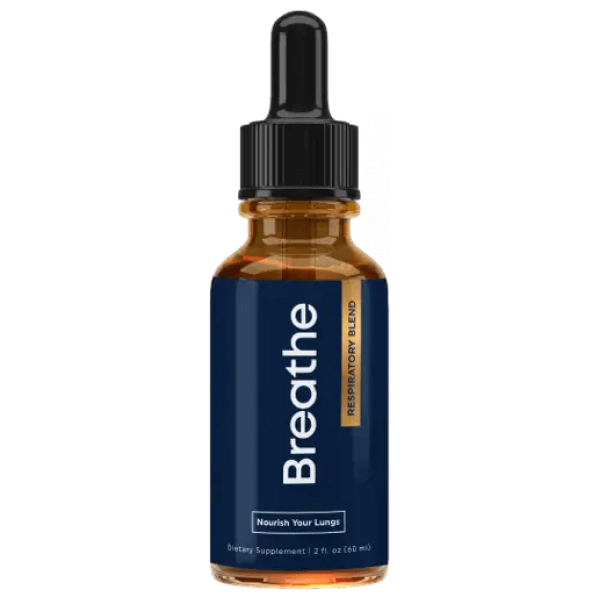
Breathe is a liquid dropper sold for lung health, presented by a respiratory therapist in a video that promises to help clear trapped mucus. Its label lists a 550 mg blend of mullein, thyme, peppermint, ginger, lemon peel and manuka honey. This review checks what that label tells you, what the research shows for each ingredient, the claims, and the prices and refund terms.
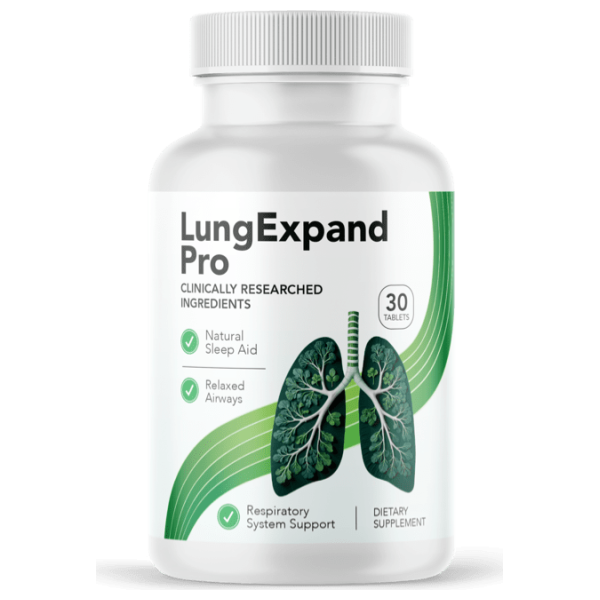
LungExpand Pro is a one-a-day tablet sold for easier breathing and lung health. Its label lists vitamin D3 and a 500 mg blend of umckaloabo (pelargonium), ivy, mullein, coltsfoot, serratiopeptidase and peppermint oil. This review checks what the research shows for each ingredient, why the coltsfoot matters for safety, and the prices and 60-day refund.
Deeper Analysis of Lung Health
Supplements with some evidence
- N-acetylcysteine (NAC) and other mucolytics, for COPD: in a Cochrane review of 38 trials with 10,377 people with COPD or chronic bronchitis, mucolytics such as NAC and carbocysteine made people more likely to stay free of flare-ups; about eight people needed treatment for nine months for one more to avoid a flare-up. Newer and longer trials showed smaller benefits. In some countries these are prescription medicines; ask your doctor.
- Vitamin D, if you are low in it: in a combined analysis of COPD trials, vitamin D did not reduce flare-ups overall, but cut them by about 45% in people whose blood levels were very low (below 25 nmol/L). A blood test tells you whether this applies to you.
- Honey, for a short-term cough: a Cochrane review found honey probably eases cough in children for up to three days, about as well as some over-the-counter cough medicines. Never give honey to babies under one year old.
- Pelargonium (umckaloabo), for acute bronchitis: a Cochrane review found it may relieve symptoms in adults and children, but the evidence was low quality, and the benefit was seen with liquid preparations rather than tablets.
- Thyme and ivy, for acute bronchitis: in a trial of 361 adults, a thyme-ivy syrup taken three times a day reduced coughing fits faster than placebo. Ivy on its own had minimal effects in a 2021 systematic review.
What doesn’t help
- “Lung detox” products: the lungs clear themselves through mucus and tiny hair-like cilia, and no supplement has been shown to remove tar, repair damaged airways or reverse COPD.
- Mullein: a traditional cough herb with no human trials for lung disease or breathing.
- Serratiopeptidase: an enzyme sold to thin mucus and calm inflammation, but a systematic review found the clinical evidence poor, and it may affect blood clotting.
Ingredients to be careful with
- Coltsfoot: a traditional cough herb that naturally contains pyrrolizidine alkaloids, which can damage the liver. Avoid products that do not say they have been tested for them.
- Peppermint and menthol: can make breathing feel easier but do not improve lung function, and can worsen acid reflux.
How the lung supplements we review compare
- Breathe (2.8 out of 5): a liquid dropper with a 550 mg blend of mullein, thyme, peppermint, ginger, lemon peel and manuka honey, marketed to people with COPD and asthma but untested for lung disease. 180-day refund on the ClickBank order page.
- LungExpand Pro (2.5): a tablet with vitamin D3 and a 500 mg blend of pelargonium, ivy, mullein, coltsfoot, serratiopeptidase and peppermint oil. Contains coltsfoot with no testing information. 60-day refund.
Neither contains NAC, the supplement with the best evidence for COPD flare-ups.
When to get help
Call emergency services for severe shortness of breath, chest pain, blue or gray lips or fingertips, confusion or coughing up blood. See a doctor for a cough lasting more than three weeks, breathlessness that is getting worse, unexplained weight loss, or wheezing you have not had before. If you have COPD or asthma, follow your action plan during a flare-up and never stop prescribed inhalers in favor of a supplement.
Key Ingredients for Lung Health
Mucolytics like NAC made people with COPD more likely to stay free of flare-ups in a Cochrane review of 38 trials; benefits were smaller in newer, longer trials.
Cut COPD flare-ups by about 45% only in people with very low blood levels; no effect overall.
Probably eases short-term cough in children for up to three days. Not for babies under one.
May relieve acute bronchitis symptoms; low-quality evidence, mainly for liquid preparations.
A thyme-ivy syrup reduced coughing fits in acute bronchitis; ivy alone had minimal effects.
A traditional cough herb with no human trials for lung disease.
Poor-quality clinical evidence; may affect blood clotting.
Naturally contains liver-toxic pyrrolizidine alkaloids.
Frequently Asked Questions
For people with COPD, mucolytics such as N-acetylcysteine (NAC) have the best evidence: they modestly reduced flare-ups in a Cochrane review of 38 trials. Vitamin D helps only people who are very low in it. No supplement repairs lung damage, and quitting smoking, pulmonary rehabilitation and vaccines matter far more.
No. The lungs clear themselves through mucus and tiny hair-like cilia, and no supplement has been shown to remove tar, repair damaged airways or reverse COPD. Stopping smoking lets the lungs’ own clearing work better and slows the loss of lung function.
Modestly. In a Cochrane review of 38 trials, mucolytics including NAC made people with COPD or chronic bronchitis more likely to stay free of flare-ups, with about eight people treated for nine months to prevent one person’s flare-up. Newer and longer trials showed smaller benefits. Ask your doctor before starting it.
Only if you are very low in it. In a combined analysis of trials, vitamin D did not reduce COPD flare-ups overall, but cut them by about 45% in people with blood levels below 25 nmol/L.
Mullein is a traditional cough herb, but we found no human trials showing that it helps lung disease, mucus or breathing.
Honey probably eases a short-term cough in children over one year old, and pelargonium and thyme-ivy syrups have some low-quality evidence in acute bronchitis. A cough lasting more than three weeks, or one with breathlessness or blood, needs a doctor.
Coltsfoot naturally contains pyrrolizidine alkaloids, which can damage the liver, and European regulators limit these compounds in herbal medicines. Avoid coltsfoot products that do not say they have been tested for them.
Neither has been tested for lung disease. Breathe is a herbal cough blend with a 180-day refund on its ClickBank order page; LungExpand Pro adds pelargonium and ivy but also contains coltsfoot and has a 60-day refund. We rate them 2.8 and 2.5 out of 5.
Call emergency services for severe shortness of breath, chest pain, blue or gray lips or fingertips, confusion, or coughing up blood.
⚖️ Conclusion
A few supplements help specific lung problems. Mucolytics such as NAC modestly reduced COPD flare-ups in a large Cochrane review, vitamin D helps people with COPD who are very low in it, and honey, pelargonium and thyme-ivy syrups may ease a short-term cough. None repairs lung damage or “detoxes” the lungs, and herbs such as mullein and serratiopeptidase have little or no evidence, while coltsfoot carries a liver risk.
The measures that protect your lungs most are not supplements: stop smoking, ask about pulmonary rehabilitation if you have COPD, keep up with vaccines, and use your inhalers as prescribed. The two lung supplements we review, Breathe and LungExpand Pro, contain none of the better-evidenced options for COPD.