
Home » Common Issues » Tooth Decay
Tooth Decay 101: Everything You Need to Know for a Healthy Smile
Master your oral health with our guide on tooth decay. Explore symptoms, stages of cavities, and professional treatments to keep your smile healthy and bright.
Understanding Tooth Decay
The Silent Progression of Tooth Decay
Tooth decay, medically known as dental caries, remains one of the most prevalent chronic diseases globally, affecting individuals across all age groups. Despite significant advancements in preventive dentistry, the battle against cavities is a daily struggle for many. At its core, tooth decay is the destruction of your tooth enamel, the hard, protective outer layer of your teeth. This process is not instantaneous; rather, it is a gradual erosion caused by a complex interaction between oral bacteria, dietary habits, and the physiological environment of your mouth. Understanding the mechanisms of decay is the first step toward maintaining a lifetime of optimal oral health.
The Science Behind the Cavity: How Decay Begins
The human mouth is home to a diverse ecosystem of microorganisms known as the oral microbiome. While many of these bacteria are harmless or even beneficial, certain strains, such as Streptococcus mutans, play a primary role in the development of decay. These bacteria thrive on the fermentable carbohydrates found in the foods and drinks we consume, particularly refined sugars and starches. When you eat, these bacteria process the sugars and produce acid as a byproduct. This acid then mixes with saliva and food particles to form a sticky film called dental plaque.
Plaque adheres to the surfaces of the teeth, especially in hard-to-reach areas like the grooves of the molars and the spaces between teeth. If not removed through regular brushing and flossing, the acid within the plaque begins to dissolve the minerals in the enamel—a process called demineralization. Over time, repeated acid attacks cause the enamel to weaken and eventually break down, resulting in the formation of a tiny hole or cavity. This process is often influenced by the Stephan Curve, a dental concept describing the rise and fall of pH levels in the mouth. Every time you snack on sugar, your mouth stays in an acidic state for approximately 20 to 30 minutes, making frequent snacking a significant risk factor for decay.
Recognizing the Symptoms and Warning Signs
In its earliest stages, tooth decay may be entirely asymptomatic, making it a silent threat to your dental integrity. This is why regular professional examinations are critical. However, as the decay progresses through the layers of the tooth, several physical signs may emerge. One of the most common early indicators is tooth sensitivity, particularly when consuming hot, cold, or very sweet foods and beverages. You might also notice localized pain when biting down or a persistent dull ache that occurs without an obvious trigger.
Visual changes are also key indicators. You may see white spots on the surface of a tooth, which represent areas of early demineralization. As the decay worsens, these spots may turn brown or black, eventually appearing as visible holes or pits. In advanced cases, the infection can reach the inner pulp of the tooth, leading to severe pain, swelling in the gums, or even a visible abscess at the root tip. Ignoring these symptoms can lead to systemic issues, as oral infections have been linked to broader health concerns, including cardiovascular disease and diabetes complications.
The Five Stages of Dental Caries
Tooth decay is a progressive condition that moves through distinct stages. Understanding these stages can help patients realize the urgency of treatment. The first stage is Initial Demineralization, where the enamel begins to lose minerals but the surface is still intact. At this point, the process can often be reversed with professional fluoride treatments and improved hygiene. The second stage is Enamel Decay, where the lesion breaks through the surface and forms a physical cavity. Because enamel has no nerves, this stage is often painless.
The third stage is Dentin Decay. Dentin is the layer beneath the enamel and is much softer, allowing decay to spread more rapidly. Dentin contains microscopic tubules that lead to the tooth's nerve, which is when sensitivity typically begins. The fourth stage involves Pulp Involvement. The pulp is the living center of the tooth containing nerves and blood vessels. When bacteria reach the pulp, it causes intense inflammation and pain. The final stage is Abscess Formation, where the infection spreads beyond the tooth and into the surrounding bone and soft tissues, requiring immediate emergency dental intervention.
Proactive Prevention and Modern Treatments
Preventing tooth decay is significantly more cost-effective and less invasive than treating it. A robust preventive strategy starts with mechanical plaque removal—brushing twice daily with a fluoride-enriched toothpaste and flossing at least once a day. Fluoride is a cornerstone of modern dentistry; it works by promoting remineralization and making the enamel more resistant to future acid attacks. Additionally, maintaining a diet low in frequent sugar consumption and staying hydrated to ensure adequate saliva flow is essential. Saliva acts as a natural buffer, neutralizing acids and washing away food debris.
When prevention is no longer an option, modern restorative dentistry offers several solutions. For minor cavities, dental fillings made of composite resin or silver amalgam are used to restore the tooth's structure. If the decay has weakened a large portion of the tooth, a crown may be necessary to provide strength and protection. For cases where the infection has reached the pulp, a root canal can often save the natural tooth by removing the infected tissue and sealing the canals. In the most severe instances where the tooth is non-restorable, an extraction followed by a dental implant or bridge may be required to maintain oral function and aesthetics.
Top Recommended Products for Tooth Decay
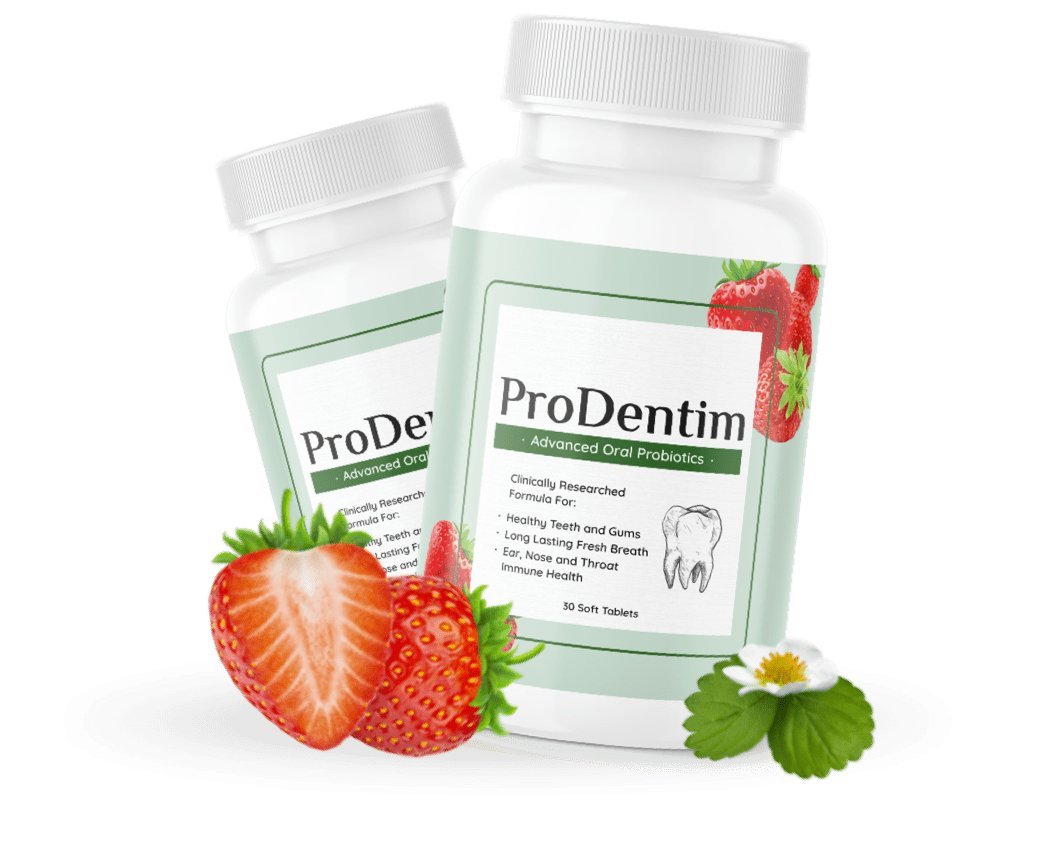
ProDentim is a premium oral probiotic designed to restore the mouth’s natural microbiome. By introducing 3.5 billion beneficial bacteria, it promotes healthier gums and fresher breath. Perfect for individuals seeking advanced dental support, this formula helps maintain tooth health and a brighter smile.
Frequently Asked Questions
Yes, but only in the very earliest stage known as demineralization. At this point, the enamel has lost minerals but a physical hole has not yet formed. Through improved oral hygiene, a low-sugar diet, and professional fluoride treatments, the enamel can remineralize and heal. Once a cavity has broken through the enamel surface, it cannot be reversed and requires a professional filling.
Brushing is only one part of the equation. Cavities can still occur due to several factors: skipping flossing (which leaves bacteria between teeth), a diet high in frequent sugary or acidic snacks, genetics that dictate enamel thickness, or underlying conditions like dry mouth (xerostomia). Additionally, your brushing technique may not be effectively removing all plaque from the deep grooves of your molars.
While the decay itself isn't contagious, the bacteria that cause it (like Streptococcus mutans) can be transmitted. This commonly happens between caregivers and infants through shared spoons, cleaning pacifiers with the mouth, or kissing. Establishing good oral health habits for the whole family is essential to reduce the bacterial load within a household.
For most individuals, a professional dental examination and cleaning every six months is recommended. However, those with a high risk of caries, history of frequent cavities, or certain medical conditions may benefit from more frequent visits every three to four months to catch demineralization before it turns into a significant cavity.
⚖️ Conclusion
Tooth decay is far more than a simple dental nuisance; it is a progressive condition that requires a proactive and consistent approach to manage effectively. The journey from initial demineralization to a full-blown cavity can be slow, offering multiple opportunities for intervention if you are vigilant about your oral hygiene routine. By prioritizing daily brushing with fluoride toothpaste, flossing to remove interdental plaque, and maintaining regular professional cleanings, you can significantly reduce your risk of long-term damage. It is also vital to recognize the role of nutrition, as reducing frequent sugar intake limits the fuel available for acid-producing bacteria. Remember that oral health is a primary window into your overall systemic well-being. Neglecting decay can lead to systemic inflammation and other health complications. Taking ownership of your dental health today ensures that you preserve your natural teeth for a lifetime, avoiding the physical discomfort and financial burden of complex restorative procedures. Stay informed, stay consistent, and consult with your dental professional at the first sign of sensitivity or change in your tooth structure to maintain a healthy, resilient smile.
Related Issues
Explore other topics related to Tooth Decay.