
Home » Common Issues » Yellow Teeth
Yellow Teeth: Understanding Causes and Effective Solutions for a Brighter Smile
Understand why teeth turn yellow and discover the most effective professional and at-home treatments to restore your bright, healthy smile today.
Understanding Yellow Teeth
The Psychology and Science of a Bright Smile
A bright, radiant smile is often considered a universal symbol of health, confidence, and vitality. In modern society, the appearance of our teeth plays a significant role in first impressions and self-esteem. However, many individuals find themselves struggling with yellow teeth, a common cosmetic concern that can lead to social anxiety and a hesitant smile. To effectively address tooth discoloration, it is essential to understand that teeth are not naturally perfectly white. The core of the tooth, known as dentin, has a naturally yellowish hue. This dentin is covered by enamel, the hard, translucent outer layer. When enamel thins or becomes stained, the underlying yellow dentin becomes more visible, leading to the characteristic yellow appearance we often seek to correct.
Identifying the Culprits: Extrinsic vs. Intrinsic Staining
Dental professionals categorize tooth discoloration into two primary types: extrinsic and intrinsic. Understanding which type you are dealing with is the first step toward effective treatment. Extrinsic staining occurs on the surface of the enamel. This is typically the result of lifestyle choices and environmental factors. Common culprits include dark-colored beverages like coffee, black tea, red wine, and dark sodas. These liquids contain intense color pigments called chromogens that attach to the white, outer part of your tooth. Additionally, tobacco use—whether smoking or chewing—is a leading cause of stubborn extrinsic stains due to the presence of tar and nicotine. Tar is naturally dark, while nicotine, though colorless, turns yellowish when combined with oxygen.
On the other hand, intrinsic staining happens within the inner structure of the tooth, the dentin. This type of yellowing is often more complex to treat because it is located beneath the surface. Intrinsic stains can be caused by excessive fluoride exposure during early childhood, the use of certain antibiotics like tetracycline by mothers during the second half of pregnancy or by children under age eight, or physical trauma to a tooth that causes the internal tissue to darken. Because these stains are embedded deep within the tooth, standard whitening toothpastes that focus on surface abrasion are generally ineffective against them.
The Impact of Aging and Genetics on Tooth Color
As we age, it is a biological reality that our teeth will naturally begin to look more yellow. This is a twofold process. First, years of chewing and exposure to acids from food and drink gradually wear down the protective enamel layer. As the enamel becomes thinner, the naturally yellow dentin underneath shows through more prominently. Second, the dentin itself tends to grow and thicken over time, further deepening the yellow appearance of the tooth. Genetics also play a vital role; some individuals are simply born with naturally thicker or whiter enamel than others. If your parents struggled with tooth discoloration early in life, you might be genetically predisposed to a similar condition, regardless of how meticulously you maintain your oral hygiene.
The Role of Oral Hygiene and Plaque Accumulation
While some causes of yellow teeth are out of our direct control, oral hygiene remains the most significant factor we can influence. When we fail to brush and floss regularly, a sticky film of bacteria known as plaque begins to accumulate on the teeth. If not removed, plaque can harden into tartar, also known as calculus. Tartar is incredibly porous and picks up stains much more easily than smooth enamel. Furthermore, tartar often has a distinct yellow or brown color, which can make the entire smile appear dingy. Consistent hygiene practices do more than just keep teeth white; they protect the structural integrity of the enamel, preventing the erosion that leads to sensitivity and further discoloration.
Evaluating Treatment Options: Professional vs. At-Home
The market is saturated with products promising a whiter smile, but not all treatments are created equal. Professional in-office whitening remains the gold standard for safety and efficacy. Dentists use high-concentration bleaching gels, often activated by specialized lights or lasers, to break down both extrinsic and intrinsic stains in a single session. This method provides the most dramatic results while ensuring that the gums and soft tissues are protected from chemical irritation.
For those seeking more affordable options, at-home whitening kits prescribed by a dentist offer a middle ground. These kits involve custom-fitted trays that ensure the bleaching gel stays in contact with the teeth and away from the gums. Over-the-counter (OTC) products, such as whitening strips and paints, can be effective for mild extrinsic staining but often require weeks of consistent use to see noticeable changes. It is important to approach "natural" remedies with caution. While substances like baking soda can help scrub away surface stains due to their mild abrasiveness, other popular trends like using lemon juice or apple cider vinegar can be highly acidic and may permanently dissolve your enamel, making the yellowing worse in the long run.
Prevention: Sustaining a Brighter Smile
Prevention is always more effective than correction. To maintain the results of a whitening treatment or to prevent further yellowing, minor lifestyle adjustments can make a significant impact. Rinsing your mouth with water immediately after consuming staining foods or drinks can help neutralize acids and wash away chromogens before they set. Using a straw for iced coffee or tea can also bypass the front teeth, reducing contact with staining agents. Furthermore, incorporating crunchy fruits and vegetables like apples, carrots, and celery into your diet can act as a natural mechanical cleanser, stimulating saliva production and gently scrubbing the teeth as you eat. Regular dental cleanings every six months are non-negotiable, as they allow a professional to remove hardened tartar that a toothbrush simply cannot reach.
Top Recommended Products for Yellow Teeth
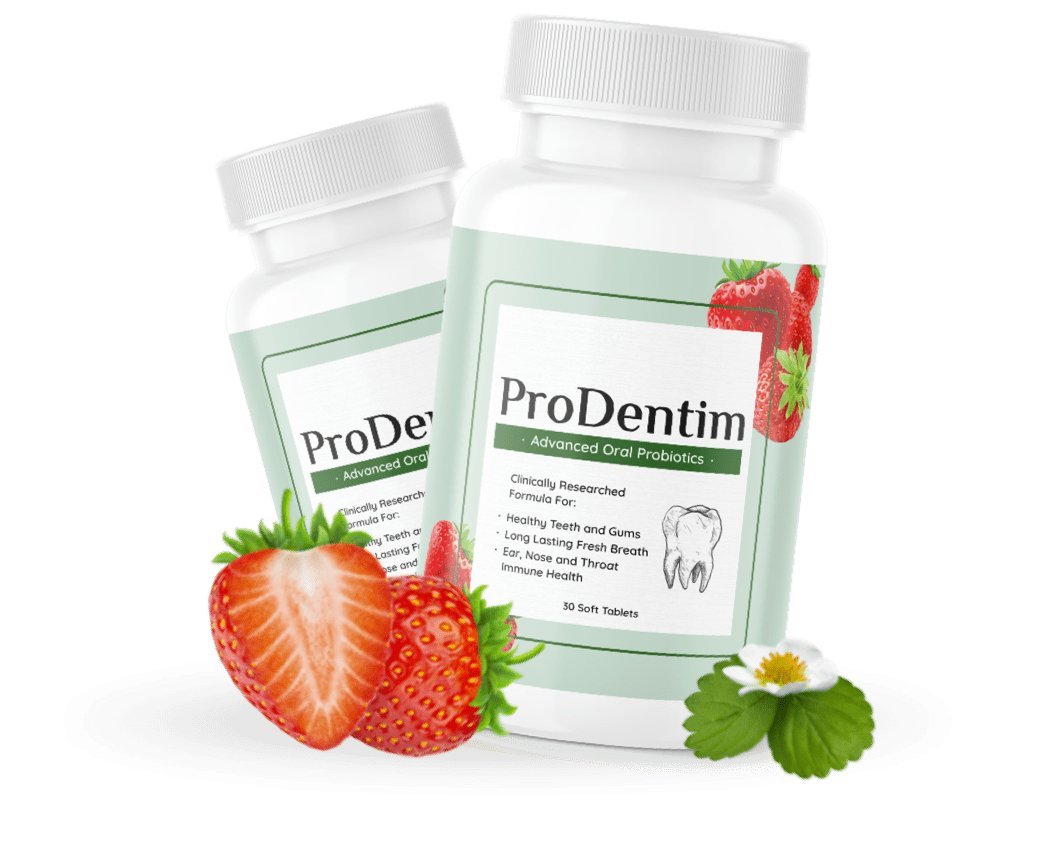
ProDentim is a premium oral probiotic designed to restore the mouth’s natural microbiome. By introducing 3.5 billion beneficial bacteria, it promotes healthier gums and fresher breath. Perfect for individuals seeking advanced dental support, this formula helps maintain tooth health and a brighter smile.
Frequently Asked Questions
Yes, most yellowing can be significantly improved. Extrinsic stains from food and drink respond well to professional cleaning and whitening treatments. Intrinsic stains may require more intensive professional bleaching or cosmetic solutions like veneers or bonding.
Brushing twice a day is essential for removing plaque, but brushing too aggressively or too frequently can actually wear down your enamel. When enamel thins, the yellow dentin underneath becomes more visible, which can make teeth look more yellow rather than whiter.
Many dentists advise caution with charcoal toothpaste. While it can remove surface stains, it is often too abrasive for daily use. Over time, it can wear down the enamel, leading to increased tooth sensitivity and making the teeth appear more yellow as the dentin is exposed.
Regular brushing is great, but it cannot change your genetics, the natural thickness of your enamel, or the color of your dentin. It also cannot remove stains that have already moved into the intrinsic layer of the tooth or hardened tartar that requires professional scaling.
⚖️ Conclusion
Addressing yellow teeth requires a dual approach that prioritizes both aesthetic improvement and long-term dental health. While the desire for a Hollywood-white smile is understandable, it is essential to remember that teeth are not naturally paper-white. The underlying dentin has a pale yellow hue that becomes more visible as enamel thins with age or acid erosion. Therefore, the most effective strategy for managing discoloration involves a combination of consistent oral hygiene, dietary mindfulness, and professional guidance. Avoiding harsh DIY trends like undiluted lemon juice or abrasive charcoal is crucial, as these can cause irreversible damage to your protective enamel. Instead, focus on proven methods such as fluoride toothpaste, regular dental cleanings, and, if necessary, clinically supervised whitening treatments. Ultimately, a healthy smile is more valuable than a perfectly white one. By maintaining the integrity of your enamel and attending routine checkups, you can ensure your teeth remain strong and functional while achieving a brightness that feels natural and sustainable. Treat your smile as an investment in your overall well-being, and always consult your dentist before starting any intensive whitening regimen to ensure the safety of your gums and nerves.
Related Issues
Explore other topics related to Yellow Teeth.