
Home » Ingredients » Cranberry
Cranberry Pills and Supplements: What the Research Shows for UTIs, and Safety
Cranberry (Vaccinium macrocarpon) is a North American fruit sold as juice, tablets and capsules, mainly to prevent repeat urinary tract infections. Its proanthocyanidins (PACs) are thought to stop some bacteria from sticking to the bladder wall, and to teeth.
Last updated 2 November 2026
Cranberry: the short answer
Cranberry products are the best-studied supplement for preventing urinary tract infections. A 2023 Cochrane review of 50 studies found that they probably reduce repeat UTIs in women who get them often, by about a quarter, and in children, but they did not help older people in care, pregnant women or people with bladder-emptying problems. Cranberry is not a treatment for an infection that has already started. It is safe for most people, although very large amounts can upset the stomach.
| What it is | A North American fruit (Vaccinium macrocarpon) sold as juice, tablets and capsules; its proanthocyanidins (PACs) are thought to stop bacteria sticking to the bladder wall. |
|---|---|
| Most studied for | Preventing repeat urinary tract infections: probably about a quarter fewer in women who get them often, and fewer in children. |
| Does not help | Treating an existing UTI; preventing UTIs in older people in care, pregnant women, or people whose bladders do not empty properly. |
| Amounts used in studies | Many different juices, tablets and capsules taken daily for months; no single proven dose. |
| Safety | Generally safe; very large amounts can upset the stomach. Conflicting evidence on warfarin, so ask a doctor if you take it. |
| In products we review | DentaBiome, FemiCore, BioDentex, ProvaDent |
Sources: Cranberries for preventing urinary tract infections (Cochrane review 2023) · Cranberry: Usefulness and Safety (NCCIH)
Benefits of Cranberry
What is cranberry?
Cranberry, Vaccinium macrocarpon, is an evergreen shrub that grows in wet habitats in the north-east and north-central parts of North America. Its tart red berries are eaten dried or made into juice, and concentrated extracts are sold as tablets and capsules, often labelled with their content of proanthocyanidins (PACs), the compounds thought to stop some bacteria from sticking to the lining of the bladder.
Why people take it
Most people take cranberry juice or pills to prevent repeat urinary tract infections (UTIs). Cranberry extract also appears in dental supplements, because in laboratory studies its compounds interfere with how some mouth bacteria stick to teeth, and in women’s bladder formulas.
Top Rated Supplements with Cranberry
Products we review that list Cranberry as an ingredient. Not every product discloses how much of each ingredient a serving contains, so check each review before assuming it matches the amounts used in studies.

DentaBiome is a berry-flavoured chewable tablet sold as the first “oral postbiotic”: non-living Lactobacillus strains and the compounds they produce, combined with an enzyme blend, xylitol, purple carrot and cranberry. Made by Adem Naturals, it is marketed for bleeding gums, bad breath and cavities. This review covers what the research supports, what the label leaves out, the real prices and the 60-day refund terms.
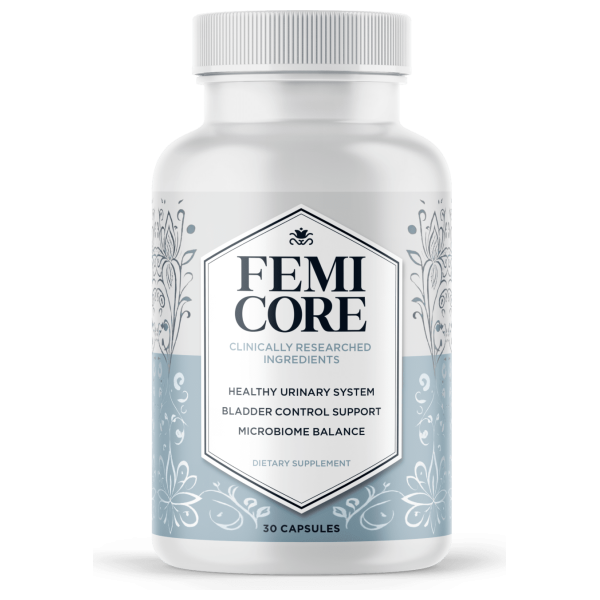
FemiCore is a one-a-day capsule sold to women over 45 for bladder leaks and urinary health. This review covers its full label, including bearberry, an herb meant for short-term use, what research shows for bladder leaks and urinary tract infections, the sales claims about dioxins and the “urinary microbiome”, the prices and the 60-day refund.
BioDentex is a capsule sold for healthier teeth and gums. This review covers the six ingredients it names, why the xylitol research does not apply to a swallowed capsule, the claims in its affiliate emails, the real prices and the conditions on its 90-day refund.
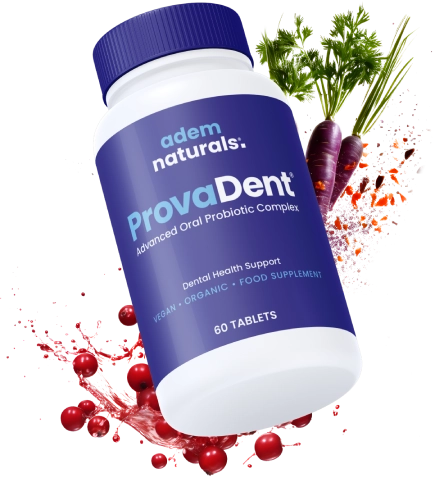
ProvaDent is a chewable oral probiotic tablet from Adem Naturals, sold through ClickBank for gums, breath and teeth. This review checks its ingredients against the research and explains the prices, the dentist on the sales page and the refund rules.
Scientific Analysis of Cranberry
Preventing urinary tract infections
The best evidence comes from a 2023 Cochrane review of 50 randomized studies with 8,857 people. Cranberry products, given as juice, tablets or capsules, probably reduced repeat UTIs in women who get them often, by about a quarter (risk ratio 0.74), and in children (0.46), and may reduce them in people at risk after medical procedures (0.47). They made little or no difference in older people living in care homes, in pregnant women, or in adults whose bladders do not empty properly because of nerve problems. The US National Center for Complementary and Integrative Health (NCCIH) sums the evidence up as a possible 25% lower risk of repeat UTIs in women, with inconsistent results between studies.
Cranberry cannot treat an infection
NCCIH says cranberry is not recommended as a treatment for an existing UTI in anyone. Burning when you pass urine, needing to go often, cloudy or bloody urine, fever, or pain in your back or side need a doctor, and a kidney infection can be serious. Our UTI guide covers the symptoms, what helps and what to avoid.
Teeth and gums
In laboratory studies, compounds from cranberry interfere with how Streptococcus mutans, a bacterium involved in tooth decay, sticks to teeth and forms plaque, which is why cranberry extract appears in some dental supplements. Human trials are few, and there is no good evidence that cranberry capsules prevent cavities or gum disease.
Cranberry juice or pills?
The Cochrane review included juice, tablets and capsules. Juice is often sweetened, so a daily glass adds sugar and calories, while tablets and capsules avoid that. Products differ widely in how much cranberry and PAC they contain, and many labels do not say, so a product that states its cranberry or PAC content is easier to judge.
Side effects and safety
NCCIH says cranberry taken by mouth is generally thought to be safe; very large amounts can cause stomach upset and diarrhoea, particularly in young children. In the Cochrane review, stomach and bowel side effects probably did not differ from placebo. The evidence on whether cranberry interacts with the blood thinner warfarin is conflicting, so ask your doctor if you take it. Cranberry appears safe in food amounts in pregnancy and breastfeeding, but the evidence is not conclusive for larger amounts.
How much was used in studies
The trials used many different juices, tablets and capsules, taken daily for months, so there is no single proven dose. If you want to try it, take a product that states its cranberry or PAC content every day, and see a doctor if infections keep coming back.
Products we review that contain it
FemiCore lists cranberry extract standardized to 30% PACs, but it shares a 350 mg blend with bearberry, berberine and Mimosa pudica, so the amount is unknown. DentaBiome, BioDentex and ProvaDent include cranberry extract aimed at mouth bacteria rather than the bladder, without stating the amount.
Frequently Asked Questions
Mainly for preventing repeat urinary tract infections. A 2023 Cochrane review found that cranberry products probably reduce repeat UTIs in women who get them often, by about a quarter, and in children.
For prevention, probably a little in some groups: women with repeat UTIs, children and people at risk after medical procedures. They made little or no difference in older people in care, pregnant women or people whose bladders do not empty properly, and they do not treat an infection.
No. NCCIH says cranberry is not recommended as a treatment for an existing UTI. Burning when you pass urine, fever, back or side pain, or blood in the urine need a doctor.
Both were used in the trials. Juice is often sweetened and adds sugar and calories, while tablets and capsules avoid that. Choose a product that states its cranberry or PAC content.
There is no single proven dose: the trials used many different juices, tablets and capsules, taken daily for months. Follow the label of a product that states its cranberry or PAC content.
Cranberry is generally safe. Very large amounts can cause stomach upset and diarrhoea, and the evidence on an interaction with warfarin is conflicting, so ask your doctor if you take it. Food amounts appear safe in pregnancy.
Among the products we review, FemiCore lists cranberry extract in a 350 mg blend without the amount, and the dental supplements DentaBiome, BioDentex and ProvaDent include cranberry extract for mouth bacteria.
⚖️ Conclusion
Cranberry is one of the few supplements with reasonable evidence for a specific use: it probably reduces repeat urinary tract infections by about a quarter in women who get them often, and in children. It does not treat an infection, and it did not help older people in care, pregnant women or people with bladder-emptying problems. It is safe for most people. If you get repeat UTIs, a cranberry product that states its content is a reasonable thing to try alongside a doctor’s advice; in a blend that hides the amount, such as a bladder or dental formula, you cannot tell whether you are getting enough.
Related Research
Explore our latest research and articles related to Cranberry.