
Home » Ingredients » Iodine
Iodine and Kelp: How Much You Need, Deficiency, Supplements and Thyroid Safety
Iodine is a mineral the thyroid needs to make its hormones. Adults need 150 mcg a day; too much, for example from kelp supplements, can also upset the thyroid.
Last updated 2 November 2026
Iodine: the short answer
Iodine is a mineral your thyroid uses to make thyroid hormones. Adults need 150 mcg a day, 220 mcg in pregnancy and 290 mcg while breastfeeding, and most people in countries with iodized salt get enough from salt, dairy, eggs and seafood. Too little causes a goitre and an underactive thyroid and, in pregnancy, can harm the baby’s brain development. Too much can also upset the thyroid: the adult upper limit is 1,100 mcg a day, and the American Thyroid Association advises against iodine or kelp supplements providing more than 500 mcg a day. Kelp products can contain very variable amounts.
| What it is | A mineral the thyroid needs to make its hormones; found in iodized salt, seafood, seaweed, dairy and eggs. |
|---|---|
| Daily need | 150 mcg for adults, 220 mcg in pregnancy, 290 mcg while breastfeeding; upper limit 1,100 mcg a day. |
| Who may need a supplement | Pregnant, breastfeeding or planning women (150 mcg as potassium iodide), and people who avoid iodized salt, dairy and seafood. |
| Kelp | Rich in iodine but highly variable; the American Thyroid Association advises against supplements providing more than 500 mcg a day. |
| Safety | Too much can make the thyroid underactive or overactive, especially in thyroid disease. Ask your doctor if you have a thyroid condition. |
| In products we review | Thyrafemme Balance, ViriFlow, Prostadine |
Sources: Iodine fact sheet for consumers (NIH Office of Dietary Supplements) · Statement on the potential risks of excess iodine (American Thyroid Association)
Benefits of Iodine
What is iodine?
Iodine is a mineral that the thyroid gland uses to make thyroid hormones, which control metabolism and are essential for a baby’s brain development. The body cannot make it, so it has to come from food: iodized salt, fish and shellfish, seaweed, dairy products and eggs. Supplements provide it as potassium iodide or from seaweeds such as kelp, bladderwrack, wakame and nori.
Why people take it
Iodine and kelp supplements are sold for thyroid health, energy and weight, and iodine is recommended in pregnancy and breastfeeding. It also appears in many multi-ingredient formulas, including some sold for the prostate.
Top Rated Supplements with Iodine
Products we review that list Iodine as an ingredient. Not every product discloses how much of each ingredient a serving contains, so check each review before assuming it matches the amounts used in studies.
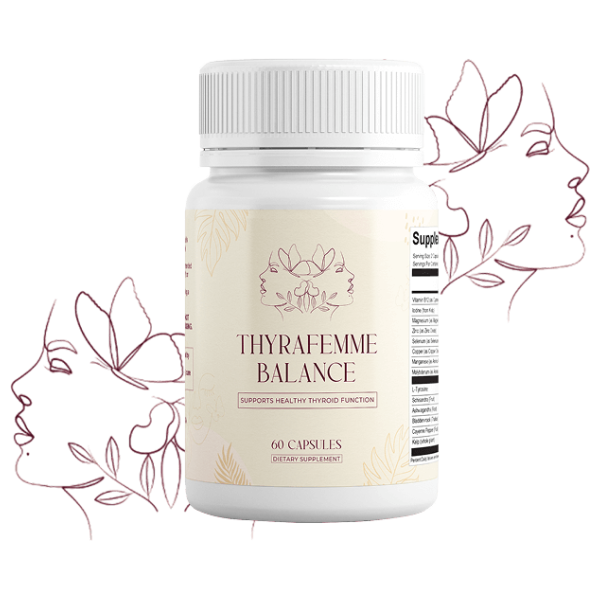
Thyrafemme Balance is a 14-ingredient capsule sold to women for “thyroid balance”, with energy, mood, weight, hair and skin among the promised benefits. This review covers the full label, what research shows for selenium, ashwagandha and iodine, why women with thyroid disease or on thyroid medicine should be careful, the real prices and the 60-day refund.
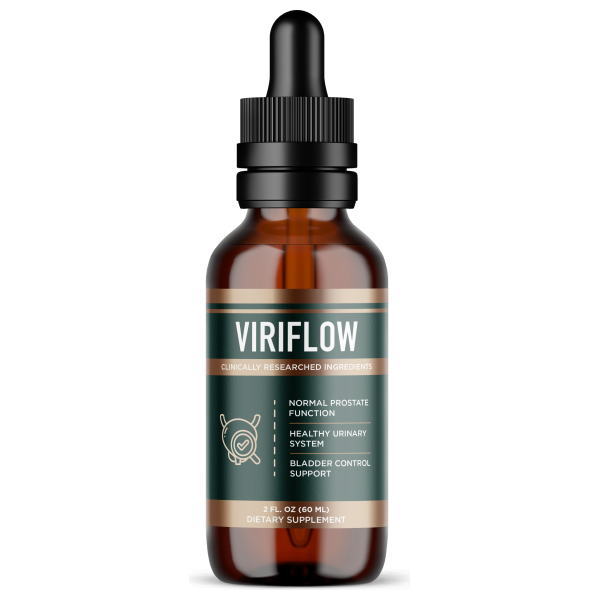
ViriFlow is a liquid dropper sold for prostate health, bladder control and urine flow. Its label lists iodine and a 700 mg blend of saw palmetto, pygeum, neem, seaweeds, pomegranate, citrus pectin and shilajit. This review explains what that label does and does not tell you, what the research shows for each ingredient, the hard-water claim behind the product, and the real prices and refund terms.
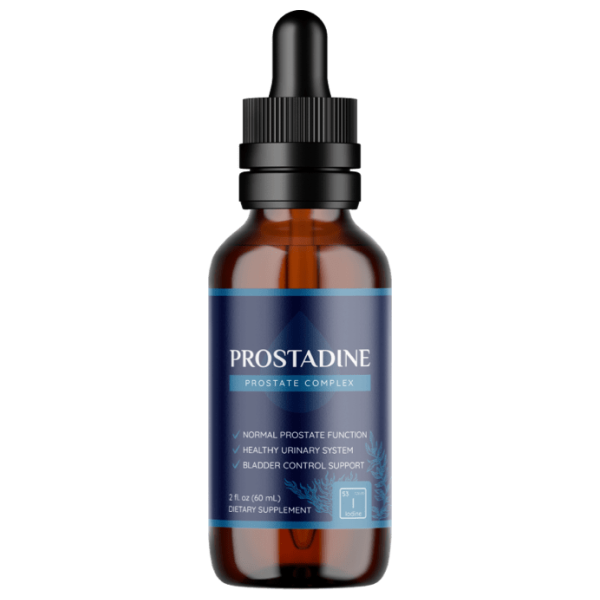
Prostadine is a liquid dropper sold for prostate health, urine flow and bladder control. Its sales page names nine ingredients, including kelp, bladderwrack, nori, wakame, saw palmetto, pomegranate, iodine, shilajit and neem, but publishes no label. This review covers what the research shows for those ingredients, the hard-water claim behind the product, iodine safety, and the real prices and 60-day refund.
Scientific Analysis of Iodine
How much iodine you need
The recommended daily amounts from the US National Institutes of Health are 150 mcg for adults, 220 mcg during pregnancy and 290 mcg while breastfeeding. The tolerable upper limit for adults is 1,100 mcg a day from all sources; regularly taking more can cause thyroid problems.
Iodine deficiency
Too little iodine leads to an enlarged thyroid gland (goitre) and an underactive thyroid, with symptoms such as tiredness, feeling cold and weight gain. In pregnancy, deficiency can harm the baby’s brain development. People most at risk are those who do not use iodized salt and eat little dairy or seafood, including many vegans, and pregnant and breastfeeding women. The American Thyroid Association recommends that women who are pregnant, planning a pregnancy or breastfeeding take a supplement containing 150 mcg of iodine as potassium iodide each day.
Iodine supplements and the thyroid
Extra iodine only helps if you are short of it. In countries with enough iodine, the most common cause of an underactive thyroid is Hashimoto’s thyroiditis, an autoimmune condition that extra iodine does not treat, and people with thyroid disease are more sensitive to excess iodine. If you have a thyroid condition or take thyroid medicine, ask your doctor before taking iodine or kelp. Iodine does not help weight loss or energy unless you are deficient.
Kelp and seaweed supplements
Kelp and other brown seaweeds are rich in iodine, but the amount varies widely between batches and products. The American Thyroid Association warns that many iodine, potassium iodide and kelp supplements contain amounts far above the upper limit, and advises against taking supplements that provide more than 500 mcg of iodine a day. A product that lists kelp or bladderwrack without stating its iodine content cannot tell you how much you are getting.
Side effects of too much iodine
Too much iodine can cause the thyroid to become underactive or overactive, an enlarged thyroid or thyroid inflammation, particularly in people with existing thyroid disease. Very large amounts can cause a burning mouth and throat, nausea and stomach pain. Keep to the recommended amount unless your doctor advises otherwise.
Products we review that contain it
ViriFlow lists 275 mcg of iodine (183% of the Daily Value) plus kelp, wakame, nori and bladderwrack in a blend, and Prostadine lists iodine and the same seaweeds without amounts; we found no trials of iodine for prostate symptoms. ThyraFemme Balance provides 150 mcg of iodine from kelp, plus 15 mg of kelp and 50 mg of bladderwrack that add iodine in amounts the label does not state. With any of them, ask your doctor first if you have a thyroid condition.
Frequently Asked Questions
The thyroid uses iodine to make thyroid hormones, which control metabolism and are essential for a baby’s brain development.
150 mcg for adults, 220 mcg in pregnancy and 290 mcg while breastfeeding. The upper limit for adults is 1,100 mcg a day from all sources.
An enlarged thyroid (goitre) and signs of an underactive thyroid such as tiredness, feeling cold and weight gain. In pregnancy, deficiency can harm the baby’s brain development. A doctor can check your thyroid with a blood test.
Most people who use iodized salt and eat dairy or seafood get enough. The American Thyroid Association recommends 150 mcg a day as potassium iodide for women who are pregnant, planning a pregnancy or breastfeeding.
Kelp is rich in iodine, but the amount varies widely, and some kelp supplements contain far more than the upper limit. The American Thyroid Association advises against supplements providing more than 500 mcg a day.
Yes. Too much can make the thyroid underactive or overactive or cause it to swell, especially in people with thyroid disease. Keep below the 1,100 mcg upper limit unless your doctor advises otherwise.
Only if the cause is iodine deficiency. The most common cause in countries with enough iodine is Hashimoto’s thyroiditis, which extra iodine does not treat; ask your doctor before taking iodine or kelp.
Among the products we review, ViriFlow lists 275 mcg plus seaweeds, Prostadine lists iodine and seaweeds without amounts, and ThyraFemme Balance provides 150 mcg from kelp plus kelp and bladderwrack.
⚖️ Conclusion
Iodine is essential, and too little harms the thyroid and, in pregnancy, the baby’s brain. But most people in countries with iodized salt get enough from food, and more is not better: excess iodine can also upset the thyroid, especially in people with thyroid disease. A 150 mcg supplement makes sense in pregnancy and breastfeeding; otherwise, check your diet before adding iodine, avoid kelp products that do not state their iodine content or provide more than 500 mcg a day, and ask your doctor first if you have a thyroid condition.