
Home » Ingredients » Lactobacillus Rhamnosus
Lactobacillus Rhamnosus: The Ultimate Guide to This Powerhouse Probiotic
Lactobacillus rhamnosus is a highly resilient probiotic strain renowned for its ability to survive the gastrointestinal tract and provide significant health benefits. It is one of the most widely researched bacteria for supporting digestive health, immune function, and vaginal balance.
Benefits of Lactobacillus Rhamnosus
What is Lactobacillus Rhamnosus?
Lactobacillus rhamnosus is a species of Gram-positive, rod-shaped bacteria that belongs to the genus Lactobacillus. It is a member of the lactic acid bacteria group, which is known for converting sugars into lactic acid. While it was originally considered a subspecies of Lactobacillus casei, genetic research eventually classified it as its own distinct species. Naturally occurring in the human body, particularly within the female genitourinary tract and the digestive system, this bacterium is also found in various fermented dairy products like yogurt and specialized probiotic supplements.
A History of Discovery
The history of Lactobacillus rhamnosus is deeply tied to the discovery of the "GG" strain. In 1983, two researchers at Tufts University, Sherwood Gorbach and Barry Goldin, isolated a specific strain of L. rhamnosus from the intestinal tract of a healthy human. They were looking for a probiotic that could survive the highly acidic environment of the human stomach and successfully colonize the intestines. This strain, patented as Lactobacillus rhamnosus GG (LGG), became the most studied probiotic in the world. Since its discovery, hundreds of clinical trials have been conducted, cementing its reputation as a cornerstone of nutritional microbiology and a staple in the dietary supplement industry.
Top Rated Supplements with Lactobacillus Rhamnosus
Discover top-rated products that utilize clinical doses of Lactobacillus Rhamnosus as a core ingredient.
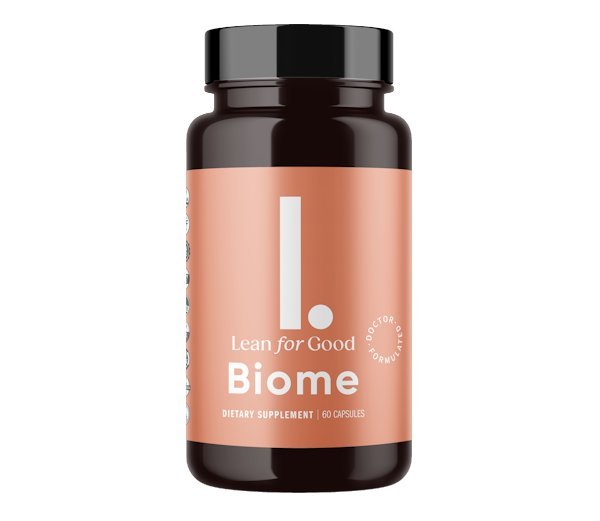
LeanBiome is an innovative dietary supplement formulated to support weight management by optimizing gut health. Unlike traditional fat burners that rely on heavy stimulants, LeanBiome focuses on a sophisticated blend of probiotics, prebiotics, and green tea extract to balance the internal microbiome. It is designed for individuals who have struggled with stubborn weight despite traditional dieting, aiming to address the underlying bacterial balance that influences metabolism and cravings. By fostering a diverse gut environment, it offers a more holistic approach to long-term wellness and body composition.
Scientific Analysis of Lactobacillus Rhamnosus
The Science of Survival: Mechanism of Action
Lactobacillus rhamnosus is often referred to as a "super-probiotic" because of its incredible durability. Unlike many other bacterial strains that perish upon contact with stomach acid or bile salts, L. rhamnosus possesses a robust cell wall that allows it to navigate the upper digestive tract unharmed. Once it reaches the small and large intestines, its primary mechanism of action involves adhesion. It utilizes specialized hair-like appendages called pili (specifically the SpaCBA pili) to anchor itself to the intestinal mucus and epithelial cells. This colonization creates a physical barrier against pathogenic bacteria.
Competitive Exclusion and Antimicrobial Activity
Once established, L. rhamnosus engages in competitive exclusion. By occupying the binding sites on the intestinal wall, it prevents harmful pathogens like E. coli and Salmonella from taking hold. Furthermore, it secretes antimicrobial substances, including organic acids and bacteriocins, which lower the local pH and create an environment that is hostile to bad bacteria but favorable for beneficial flora.
Immunomodulation
Beyond simple digestion, L. rhamnosus interacts directly with the immune system. It stimulates the production of secretory Immunoglobulin A (sIgA) and modulates the activity of cytokines. By balancing pro-inflammatory and anti-inflammatory signals, it helps the body maintain a state of immune homeostasis, which is why it is frequently studied for its effects on allergies and respiratory infections.
Proven Health Benefits
1. Gastrointestinal Health and Diarrhea Prevention
One of the most well-documented benefits of L. rhamnosus is its ability to treat and prevent various forms of diarrhea. Clinical meta-analyses have shown that it significantly reduces the duration of infectious diarrhea in children, particularly rotavirus. It is also highly effective in preventing Antibiotic-Associated Diarrhea (AAD). When antibiotics kill off both good and bad bacteria, L. rhamnosus steps in to replenish the microbiome, preventing the overgrowth of opportunistic pathogens like Clostridioides difficile.
2. Irritable Bowel Syndrome (IBS) Relief
For individuals suffering from IBS, L. rhamnosus can provide much-needed relief from bloating, abdominal pain, and irregular bowel movements. By strengthening the intestinal barrier—often referred to as "sealing a leaky gut"—it prevents undigested food particles and toxins from triggering inflammatory responses in the gut wall.
3. Supporting the Immune System
Research suggests that regular supplementation with L. rhamnosus can reduce the frequency and severity of upper respiratory tract infections. In school-aged children, studies have shown that those taking the probiotic had fewer sick days compared to those taking a placebo. Its ability to prime the innate immune system makes it a valuable tool during flu and allergy seasons.
4. Women’s Health and Vaginal Flora
The female microbiome is a delicate balance, and L. rhamnosus plays a vital role in maintaining it. It is frequently used to treat and prevent bacterial vaginosis and yeast infections. By producing lactic acid, it maintains an acidic pH in the vaginal canal, which inhibits the growth of harmful fungi and bacteria.
5. Weight Management and Metabolism
Emerging research has explored the link between L. rhamnosus and weight loss. One notable study involving women on a weight-loss diet found that those taking L. rhamnosus lost significantly more weight over 12 weeks than those in the placebo group. The probiotic appears to influence leptin levels (the satiety hormone) and improve insulin sensitivity, although more research is needed to fully understand this metabolic pathway.
Scientific Research and Clinical Trials
The sheer volume of research on L. rhamnosus is staggering. A landmark study published in the Journal of Pediatric Gastroenterology and Nutrition confirmed that L. rhamnosus GG significantly reduced the risk of nosocomial (hospital-acquired) diarrhea. Another study focused on the gut-brain axis, demonstrating that L. rhamnosus can influence GABA receptors in the brain, potentially reducing anxiety and stress-related behaviors. This has opened the door for "psychobiotics," where specific bacterial strains are used to support mental health.
Potential Side Effects and Safety
Lactobacillus rhamnosus is considered extremely safe for the vast majority of people. Because it is a natural inhabitant of the human body, it is generally well-tolerated. However, some individuals may experience mild side effects during the first few days of supplementation, including:
- Gas and flatulence
- Mild abdominal bloating
- Temporary changes in bowel movements
These symptoms usually subside as the body adjusts to the new microbial balance. However, individuals with severely compromised immune systems, such as those undergoing chemotherapy or those with central venous catheters, should consult a physician before use. In rare cases, probiotics can cause systemic infections in highly vulnerable populations.
Dosage and Recommendations
Standard dosages for L. rhamnosus typically range from 1 billion to 20 billion Colony Forming Units (CFUs) per day. For general maintenance, a lower dose is sufficient, while therapeutic needs—such as recovering from antibiotics—may require higher concentrations. It is often found in multi-strain formulas, where it works synergistically with other species like Lactobacillus acidophilus and Bifidobacterium lactis.
Frequently Asked Questions
It is generally recommended to take L. rhamnosus either 30 minutes before a meal or with a meal that contains some healthy fats. This helps the bacteria pass through the stomach and reach the intestines more efficiently.
Yes, it is highly recommended to take this probiotic during antibiotic treatment to prevent diarrhea. However, you should space the probiotic dose at least 2 to 3 hours away from your antibiotic dose to ensure the medication doesn't kill the beneficial bacteria.
While some older formulations required refrigeration, many modern supplements use freeze-drying technology and blister packaging to make them shelf-stable. Always check the specific product label for storage instructions.
Lactobacillus rhamnosus is one of the most researched probiotics for pediatric use. It is widely used to treat colic and diarrhea in infants, but you should always consult with a pediatrician for the correct dosage and administration method.
For acute issues like diarrhea, results can often be seen within 24 to 48 hours. For chronic issues like IBS or immune support, it may take 2 to 4 weeks of consistent daily use to notice significant changes.
⚖️ Conclusion
Lactobacillus rhamnosus, particularly the extensively studied GG strain, stands as one of the most clinically validated probiotic ingredients available in the modern dietary supplement market. With decades of rigorous scientific research backing its efficacy, this resilient bacterium has proven itself indispensable for maintaining gastrointestinal integrity and bolstering systemic immune responses. Its unique ability to adhere to the intestinal mucosa allows it to provide long-lasting benefits compared to more transient strains. Research consistently highlights its role in preventing antibiotic-associated diarrhea, alleviating symptoms of irritable bowel syndrome, and even supporting mental health through the gut-brain axis. Furthermore, its safety profile is exemplary for the general population, making it a versatile choice for diverse formulations ranging from infant drops to adult capsules. While it is not a miracle cure, the evidence suggests that incorporating Lactobacillus rhamnosus into a daily health regimen offers significant protective advantages against pathogens and inflammatory conditions. For consumers seeking a reliable, science-first probiotic, this strain remains a top-tier recommendation. It is essential, however, to ensure potency at the time of consumption by choosing reputable brands. Overall, Lactobacillus rhamnosus is a cornerstone of microbiome health that continues to yield promising results in ongoing clinical trials.