
Home » Ingredients » Maqui Berry Extract
Maqui Berry Extract Benefits: What the Research Shows
Maqui berry extract is an anthocyanin-rich supplement made from the fruit of the Chilean Aristotelia chilensis plant. It is rich in delphinidins, and small human trials have studied it mainly for dry eyes and blood sugar after meals.
Last updated 6 October 2026
Maqui Berry Extract: the short answer
Small human trials suggest standardized maqui berry extract may increase tear production in people with dry eyes and may lower blood sugar after a meal. Effects on longer-term blood sugar, cholesterol and inflammation are modest or inconsistent, and a 2026 systematic review rated the overall evidence as moderate to very low certainty.
| What it is | An extract of the purple berry of Aristotelia chilensis, a plant native to Chile, rich in delphinidin-type anthocyanins. Branded extracts include Delphinol (standardized to at least 35% total anthocyanins and 25% delphinidins) and MaquiBright. |
|---|---|
| Most studied for | Dry eye and eye fatigue, blood sugar after meals in people with prediabetes or impaired glucose tolerance, and markers of oxidative stress. |
| Amounts used in studies | 30-60 mg of standardized extract daily for 4 weeks to 2 months (dry eye); 180 mg daily for 3 months (prediabetes, uncontrolled study); an extract providing 162 mg anthocyanins three times daily for 4 weeks (oxidative stress); single doses before a meal or glucose drink in blood sugar studies. |
| Strength of evidence | Limited. About a dozen small, short trials; a 2026 systematic review rated certainty moderate to very low and called for larger, longer trials. |
| Safety | Well tolerated, with no adverse effects reported in trials lasting up to 3 months; long-term safety is unknown. People taking diabetes medicines should check with a doctor because of a possible added blood-sugar-lowering effect. Little data exist for pregnancy or breastfeeding. |
| In products we review | Mitolyn |
Sources: 2026 systematic review, human trials · Dry eye placebo-controlled RCT · Prediabetes 3-month study · Oxidative stress RCT 2015
Benefits of Maqui Berry Extract
The Origins of the Patagonian Berry
Maqui berry (Aristotelia chilensis) is a vibrant, deep-purple fruit native to the pristine rainforests of the Patagonia region in Chile and southern Argentina. For centuries, this small berry has been part of the traditional medicine of the Mapuche, the indigenous people of the region. Known to the Mapuche as a symbol of strength, health, and vitality, the maqui berry was historically consumed as a juice or dried fruit to treat various ailments, including fever, inflammation, and digestive issues. Like many deeply colored berries, maqui is rich in anthocyanin pigments, which act as antioxidants in laboratory tests.
From Traditional Remedy to Modern Nutraceutical
In recent decades, maqui berry extract has transitioned from a local folk remedy to a globally recognized dietary supplement ingredient. This shift was fueled partly by high scores in Oxygen Radical Absorbance Capacity (ORAC) lab tests, which measure antioxidant activity in a test tube and do not show effects in the human body. Maqui is especially rich in delphinidin-type anthocyanins, which neutralize free radicals in laboratory tests. Today, the extract is typically standardized to contain a high percentage of these anthocyanins, ensuring that consumers receive a concentrated dose of the fruit's most bioactive compounds in a convenient capsule or powder form.
Top Rated Supplements with Maqui Berry Extract
Products we review that list Maqui Berry Extract as an ingredient. Not every product discloses how much of each ingredient a serving contains, so check each review before assuming it matches the amounts used in studies.
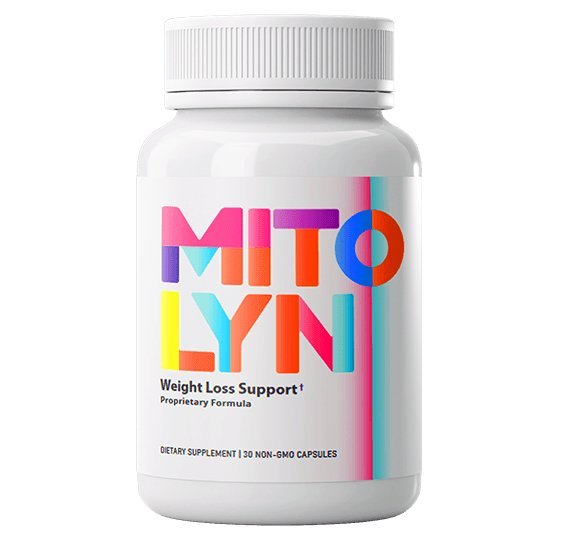
Mitolyn is a daily capsule built around six plant and algae extracts - astaxanthin-rich algae, maqui berry, amla, rhodiola, schisandra and cocoa - aimed at supporting the body's own energy production rather than suppressing appetite, with no added stimulants beyond the small amounts of caffeine and theobromine that cocoa extracts contain. This review covers what each ingredient is actually supported by, what the label does not tell you, and who is realistically likely to notice a difference.
Scientific Analysis of Maqui Berry Extract
The Science of Maqui Berry: Mechanism of Action
Maqui Berry Extract's possible effects are attributed to its anthocyanins, especially delphinidins. Anthocyanins are the pigments responsible for the deep purple hue of the berry, but their function extends far beyond aesthetics. In laboratory tests these compounds neutralize reactive oxygen species (ROS); in one 4-week human trial, a maqui extract lowered oxidized LDL and another oxidative stress marker compared with baseline. Standardized extracts such as Delphinol contain at least 35% total anthocyanins and at least 25% delphinidins by weight; these figures describe the extract, not the whole berry. Claims that delphinidins work better than other anthocyanins, such as those in raspberries or strawberries, come from lab studies and have not been tested in people.
Inhibition of Inflammatory Pathways
Laboratory research suggests maqui compounds may inhibit NF-kappaB, a protein complex that helps regulate the body's inflammatory response. In one small dry eye trial, inflammatory markers such as TNF-alpha and IL-6 on the eye surface fell with maqui extract, but effects on inflammation elsewhere in the body are not established. Effects on the COX-2 enzyme, the target of non-steroidal anti-inflammatory drugs (NSAIDs), have not been shown in people. It should not be considered an alternative to anti-inflammatory medicines or a way to prevent chronic disease.
Health Benefits and What the Research Shows
1. Eye Health and Dry Eye Relief
Dry eye syndrome (keratoconjunctivitis sicca) is the most studied use of Maqui Berry Extract, with several small human trials. Factors such as prolonged screen time are thought to contribute to dry, tired eyes. A small pilot study of 13 volunteers using a standardized maqui extract (MaquiBright) found tear fluid increased after 30 and 60 days at 30 or 60 mg daily, but it had no placebo group. In a placebo-controlled trial of 74 adults who worked at screens, 60 mg daily for 4 weeks increased tear production and eased some eye fatigue symptoms; how it works in people is not fully known.
2. Metabolic Health and Blood Sugar Regulation
Small studies suggest maqui berry extract may blunt the rise in blood sugar after a meal, possibly by slowing glucose uptake in the gut. Small trials, including a placebo-controlled crossover study of 10 people with impaired glucose tolerance, found maqui extract taken before a meal lowered after-meal blood glucose and insulin. Researchers have proposed that it may block glucose transporters in the gut, but how it works in people is not settled. It has not been shown to prevent metabolic syndrome or type 2 diabetes; in an uncontrolled 3-month study of 31 people with prediabetes, 180 mg daily lowered HbA1c slightly (5.65% to 5.35%). Effects on muscle glucose uptake (the GLUT4 transporter) have not been shown in human trials.
3. Cardiovascular Effects
In a 4-week placebo-controlled trial of 42 adults, maqui extract lowered oxidized LDL compared with baseline, but it did not change blood pressure or the blood lipid profile. Oxidized LDL is a primary driver of atherosclerosis (hardening of the arteries), as it leads to plaque buildup. Effects on arterial flexibility, blood flow or heart disease risk have not been shown in people. Effects on nitric oxide and blood vessel dilation have not been confirmed in people, and the 4-week trial found no change in blood pressure.
4. Skin Health and Anti-Aging
Oxidative stress from UV radiation is the leading cause of premature skin aging, often referred to as photoaging. Whether maqui berry extract protects the skin from sun damage has not been tested in good human trials. Effects on collagen and elastin have not been shown in people. Fewer wrinkles or better skin elasticity from maqui have not been shown in human studies.
Potential Side Effects and Safety Profile
In short human trials (up to 3 months, at 30 to 180 mg of standardized extract daily), maqui berry extract was well tolerated with no reported adverse effects. Being fruit-derived does not guarantee safety, and long-term safety data are lacking. However, there are a few considerations for specific populations:
- Hypoglycemia Risk: Because maqui extract may lower blood sugar, people taking glucose-lowering medications (such as metformin or insulin) should talk to their doctor and monitor their levels, as there is a theoretical risk of additive effects leading to hypoglycemia.
- Pregnancy and Breastfeeding: While maqui is a natural fruit, there is limited clinical data regarding the safety of high-dose concentrated extracts during pregnancy or lactation. It is recommended to consult a healthcare provider before use.
- Surgery: Tell your surgical team about any supplements you take; there is no specific research on maqui berry extract before surgery.
Scientific Comparison: Maqui vs. Acai and Blueberry
Maqui has scored higher than blueberries and acai in some laboratory antioxidant tests, but these tests do not show health effects in people. ORAC comparisons come from test-tube measurements, and the USDA withdrew its ORAC database in 2012, saying these values have no relevance to effects on human health. There is no good evidence that maqui's delphinidins are better absorbed or more effective than the polyphenols in other berries. Claims of deeper protection inside cells have not been shown in people.
Frequently Asked Questions
No dose has been established for general antioxidant support; dry eye trials used 30 to 60 mg of standardized extract daily. For specific concerns like dry eye relief, clinical studies often use 60mg per day.
There is no established best time to take it. In blood sugar studies, the extract was taken before a meal or glucose drink.
Maqui has not been shown to aid weight loss; a 4-week trial that included overweight adults found no change in body measurements.
Daily use was well tolerated in trials lasting up to 3 months, but long-term safety has not been studied. Long-term benefits for eye, heart or metabolic health have not been shown.
⚖️ Conclusion
Maqui berry extract is notable for its high delphinidin content, and its effects are being explored in small human trials. Its best-studied uses are dry eye and blood sugar after meals, where small, short trials show promising results. Small trials suggest 30 to 60 mg daily may improve tear production, while effects on longer-term blood sugar control are modest and inconsistent. It was well tolerated in short trials, but people on blood sugar-lowering medicines should check with their doctor first. Overall, the evidence is limited: a 2026 systematic review of 12 small trials rated its certainty as moderate to very low and called for larger, longer studies. Maqui berry extract may be worth discussing with a healthcare provider for dry eye, but it has not been shown to prevent disease. It links traditional Mapuche use with early modern research, but its effects on oxidative stress and inflammation in people still need confirmation.