
Home » Ingredients » Peppermint
Peppermint Oil: What It Is Good For, the IBS Evidence, and Safety
Peppermint oil is the essential oil of the peppermint plant, rich in menthol. Enteric-coated capsules have good evidence for IBS; in supplements it is often a flavouring.
Last updated 2 November 2026
Peppermint: the short answer
Peppermint oil is the essential oil from the leaves and flowering tops of the peppermint plant, rich in menthol. Its best-supported use is irritable bowel syndrome (IBS): in a 2019 analysis of 12 trials with 835 adults, enteric-coated capsules improved overall symptoms and abdominal pain more than a placebo. Applied to the skin it might ease tension headaches, and some studies suggest inhaling it may help nausea. It can cause heartburn, and it should not be applied to the face of babies or young children.
| What it is | The essential oil of the peppermint plant (Mentha × piperita), rich in menthol. |
|---|---|
| Most studied for | Irritable bowel syndrome: enteric-coated capsules improved overall symptoms and abdominal pain in 12 trials with 835 adults. |
| Amounts used | For IBS, enteric-coated capsules of about 0.2 ml of oil, one or two capsules three times a day (Colpermin label). |
| Strength of evidence | Good for IBS symptoms in adults; limited for tension headaches and nausea; none for breath when swallowed. |
| Safety | Heartburn, nausea, abdominal pain and dry mouth; can worsen reflux. Do not apply to the face of babies or young children. |
| In products we review | Breathe, BioDentex |
Sources: Peppermint Oil (NCCIH) · Peppermint oil for IBS: meta-analysis of 12 trials (BMC Complement Altern Med 2019) · Colpermin IBS Relief capsules: product information (electronic medicines compendium)
Benefits of Peppermint
What is peppermint oil?
Peppermint oil is the essential oil taken from the leaves and flowering tops of the peppermint plant, Mentha × piperita, a cross between watermint and spearmint. Its main compound, menthol, gives the cool feeling and relaxes the smooth muscle of the gut. Peppermint is taken as a leaf tea, as oil in capsules, and as a flavouring in toothpaste, mouthwash, sweets and many supplements.
Why people use it
People use peppermint oil mainly for irritable bowel syndrome and other stomach complaints, and also for tension headaches, nausea and fresh breath.
Top Rated Supplements with Peppermint
Products we review that list Peppermint as an ingredient. Not every product discloses how much of each ingredient a serving contains, so check each review before assuming it matches the amounts used in studies.
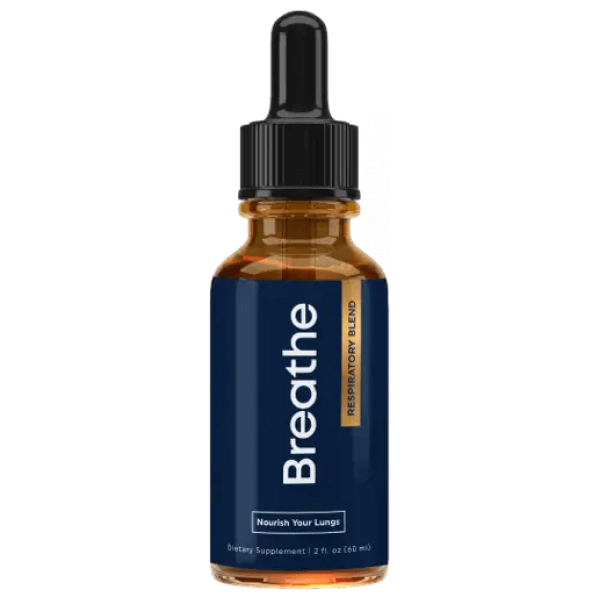
Breathe is a liquid dropper sold for lung health, presented by a respiratory therapist in a video that promises to help clear trapped mucus. Its label lists a 550 mg blend of mullein, thyme, peppermint, ginger, lemon peel and manuka honey. This review checks what that label tells you, what the research shows for each ingredient, the claims, and the prices and refund terms.

BioDentex is a capsule sold for healthier teeth and gums. This review covers the six ingredients it names, why the xylitol research does not apply to a swallowed capsule, the claims in its affiliate emails, the real prices and the conditions on its 90-day refund.
Scientific Analysis of Peppermint
Irritable bowel syndrome (IBS)
IBS is where peppermint oil has its best evidence. A 2019 meta-analysis of 12 randomized trials with 835 adults found that people taking peppermint oil capsules were about 2.4 times as likely as those on a placebo to report an improvement in overall IBS symptoms, and about 1.8 times as likely to report less abdominal pain; about three people needed to be treated for one to benefit. Side effects, mostly heartburn, were not significantly more common than with placebo (9.3% against 6.1%). The US National Center for Complementary and Integrative Health (NCCIH) agrees that enteric-coated peppermint oil capsules may improve IBS symptoms in adults.
How peppermint oil capsules for IBS are taken
The capsules are enteric-coated, so they pass the stomach and release the oil in the intestine, which reduces heartburn; they must be swallowed whole, not chewed. In the UK, Colpermin capsules contain 0.2 ml of peppermint oil, and the label dose for adults and children aged 15 and over is one capsule three times a day, increased to two capsules three times a day if symptoms are severe, usually for one to two weeks and for up to two to three months when symptoms persist; see a doctor if there is no improvement after two weeks. Colpermin contains peanut oil, so people with a peanut or soya allergy should avoid it. New bowel symptoms after the age of 50, weight loss, blood in the stool or symptoms that wake you at night need a doctor, not self-treatment.
Indigestion
NCCIH notes that peppermint oil taken on its own may worsen indigestion in some people, because it relaxes the valve between the stomach and the gullet.
Tension headaches and nausea
Peppermint oil applied to the forehead and temples might relieve tension headaches, according to NCCIH, and some studies suggest that inhaling it may help nausea. The studies are small.
Fresh breath
Peppermint and menthol mask mouth odour while they are in the mouth, which is why they are used in toothpaste, mouthwash and mints. Swallowed in a capsule, peppermint does not freshen breath. Our bad breath guide covers what does help.
Side effects and safety
- Stomach: peppermint oil taken by mouth can cause heartburn, nausea, abdominal pain and dry mouth, and it can make acid reflux worse.
- Babies and young children: peppermint oil should not be applied to the face of infants or young children.
- Pregnancy and breastfeeding: peppermint in food amounts is likely safe, but little is known about medicinal amounts.
- Medicines: if you take regular medicines, check with a pharmacist or doctor first.
- Essential oils: concentrated oils sold for aromatherapy are not made to be swallowed; use products made for taking by mouth, at the stated dose.
Products we review that contain it
BioDentex lists peppermint without an amount in a swallowed capsule, and ProDentim uses peppermint essential oil as a flavouring. Breathe includes peppermint leaf and oil in a 550 mg blend, and LungExpand Pro includes peppermint oil in a 500 mg blend; menthol can make breathing feel easier, but neither has been shown to improve lung function. None of these is an enteric-coated peppermint oil capsule of the kind tested for IBS.
Frequently Asked Questions
Its best-supported use is irritable bowel syndrome: enteric-coated capsules improved overall symptoms and abdominal pain in a 2019 analysis of 12 trials. Applied to the skin it might ease tension headaches, and inhaling it may help nausea.
Yes, for many adults. In 12 trials with 835 people, enteric-coated peppermint oil capsules improved overall IBS symptoms and abdominal pain more than a placebo, with side effects, mostly heartburn, not significantly more common.
Swallow enteric-coated capsules whole. Colpermin, which contains 0.2 ml of oil per capsule, is taken one capsule three times a day, or two if symptoms are severe, by adults and children aged 15 and over. See a doctor if there is no improvement after two weeks.
Yes. Taken by mouth it can cause heartburn and make acid reflux worse, which is why IBS capsules are enteric-coated to release the oil in the intestine rather than the stomach.
Peppermint oil should not be applied to the face of babies or young children. IBS capsules such as Colpermin are labelled for ages 15 and over; ask a doctor about younger children.
Only while it is in the mouth: peppermint and menthol in toothpaste, mouthwash or mints mask odour for a while. Swallowed in a capsule, it does not freshen breath.
Peppermint in food amounts is likely safe in pregnancy and breastfeeding, but little is known about medicinal amounts, so ask your doctor or midwife first.
Among the products we review, BioDentex lists peppermint, ProDentim uses peppermint oil as a flavouring, and Breathe and LungExpand Pro include it in blends. None is an enteric-coated IBS capsule.
⚖️ Conclusion
Peppermint oil is one of the few herbal remedies with good evidence for a specific use: enteric-coated capsules ease the overall symptoms and abdominal pain of irritable bowel syndrome in many adults, with mostly mild side effects. Its other uses, for headaches and nausea, rest on small studies, and as a flavouring in a swallowed supplement it does little beyond taste. If you try it for IBS, choose an enteric-coated capsule made for the purpose, follow the label, and see a doctor about new or worrying bowel symptoms.