
Home » Ingredients » Schisandra Berry
Schisandra Berry Benefits: What the Research Shows
Schisandra chinensis, known as the five-flavor berry, is a berry used for centuries in traditional Chinese medicine as a tonic and is often described as an adaptogen. It is traditionally used for endurance, liver health and mental focus, but human evidence for these uses is limited.
Last updated 7 October 2026
Schisandra Berry: the short answer
Human evidence for Schisandra is limited. Small placebo-controlled trials suggest 1 g of extract daily for 12 weeks may improve leg strength in older adults, and one small trial found fewer menopausal symptoms. Claims about liver protection, stress and focus rest mostly on animal or older Russian research.
| What it is | The red berry of Schisandra chinensis (wu wei zi), a vine used as a tonic in traditional Chinese medicine and in Russian medicine; its main active compounds are lignans. |
|---|---|
| Most studied for | Muscle strength in older adults and menopausal symptoms in small trials; liver protection and stress mostly in animal studies; older Russian studies on mental and physical working capacity. |
| Amounts used in studies | 1 g of extract daily for 12 weeks in two muscle-strength trials; a standardized extract (BMO-30) for 6 weeks in a menopause trial (dose not verified); 300 mg twice daily for 14 days in a drug-interaction study. |
| Strength of evidence | Limited: only a few small human trials of Schisandra alone; most claims rest on animal, lab or older Russian research. |
| Safety | No serious side effects reported in small trials, but it is not well studied in people and long-term safety is unknown. S. chinensis extract raised blood levels of the P-glycoprotein drug talinolol by 47% in healthy men, and the related S. sphenanthera sharply raised tacrolimus and midazolam levels. Avoid with tacrolimus and take care with drugs processed by CYP3A or P-glycoprotein; safety in pregnancy is not established. |
| In products we review | Mitolyn, NeuroVera, Thyrafemme Balance |
Sources: MSK About Herbs: Schisandra · 2021 RCT, muscle strength · S. chinensis talinolol interaction · Schisandra-tacrolimus volunteer study
Benefits of Schisandra Berry
What is Schisandra Berry?
Schisandra chinensis, commonly known as Schisandra or the "five-flavor berry," is a deciduous woody vine native to the cold-temperate forests of Northern China, the Russian Far East, and parts of Korea. The plant produces small, bright red berries that hold a unique place in botanical history. Its Chinese name, "Wu Wei Zi," translates to "five-flavor fruit," referring to the fact that the berry possesses all five fundamental tastes: salty, sweet, sour, pungent, and bitter. In the framework of Traditional Chinese Medicine (TCM), these five flavors correspond to the five elements and the five major organ systems of the body, which is why it was traditionally regarded as a broad tonic.
A History of Longevity and Performance
For over 2,000 years, Schisandra has been a staple in Eastern pharmacopeias. It was first documented in the "Shen Nong Ben Cao Jing," China's earliest pharmaceutical text, where it was categorized as a "superior" herb. These elite botanicals were believed to harmonize the body, increase energy (Qi), and promote longevity without causing toxicity. Historically, Schisandra was used by hunters and athletes in Siberia to sustain energy during grueling treks and by Chinese royalty as a beauty tonic to maintain radiant skin and vitality. Today, it is widely sold as an adaptogen—a substance said to help the body resist the effects of physical, chemical, and biological stressors.
Top Rated Supplements with Schisandra Berry
Products we review that list Schisandra Berry as an ingredient. Not every product discloses how much of each ingredient a serving contains, so check each review before assuming it matches the amounts used in studies.
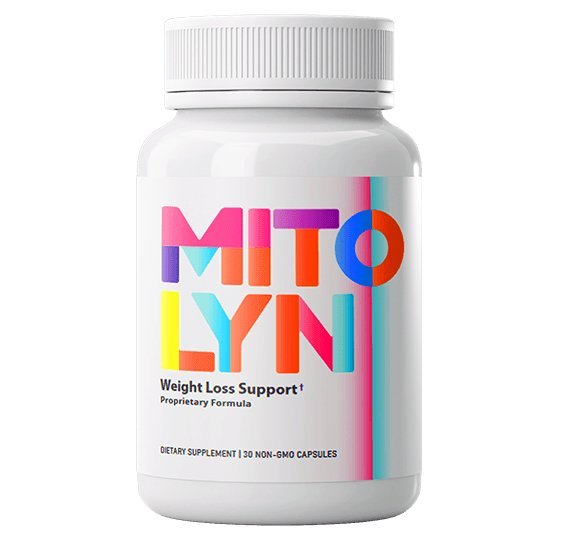
Mitolyn is a daily capsule built around six plant and algae extracts - astaxanthin-rich algae, maqui berry, amla, rhodiola, schisandra and cocoa - aimed at supporting the body's own energy production rather than suppressing appetite, with no added stimulants beyond the small amounts of caffeine and theobromine that cocoa extracts contain. This review covers what each ingredient is actually supported by, what the label does not tell you, and who is realistically likely to notice a difference.
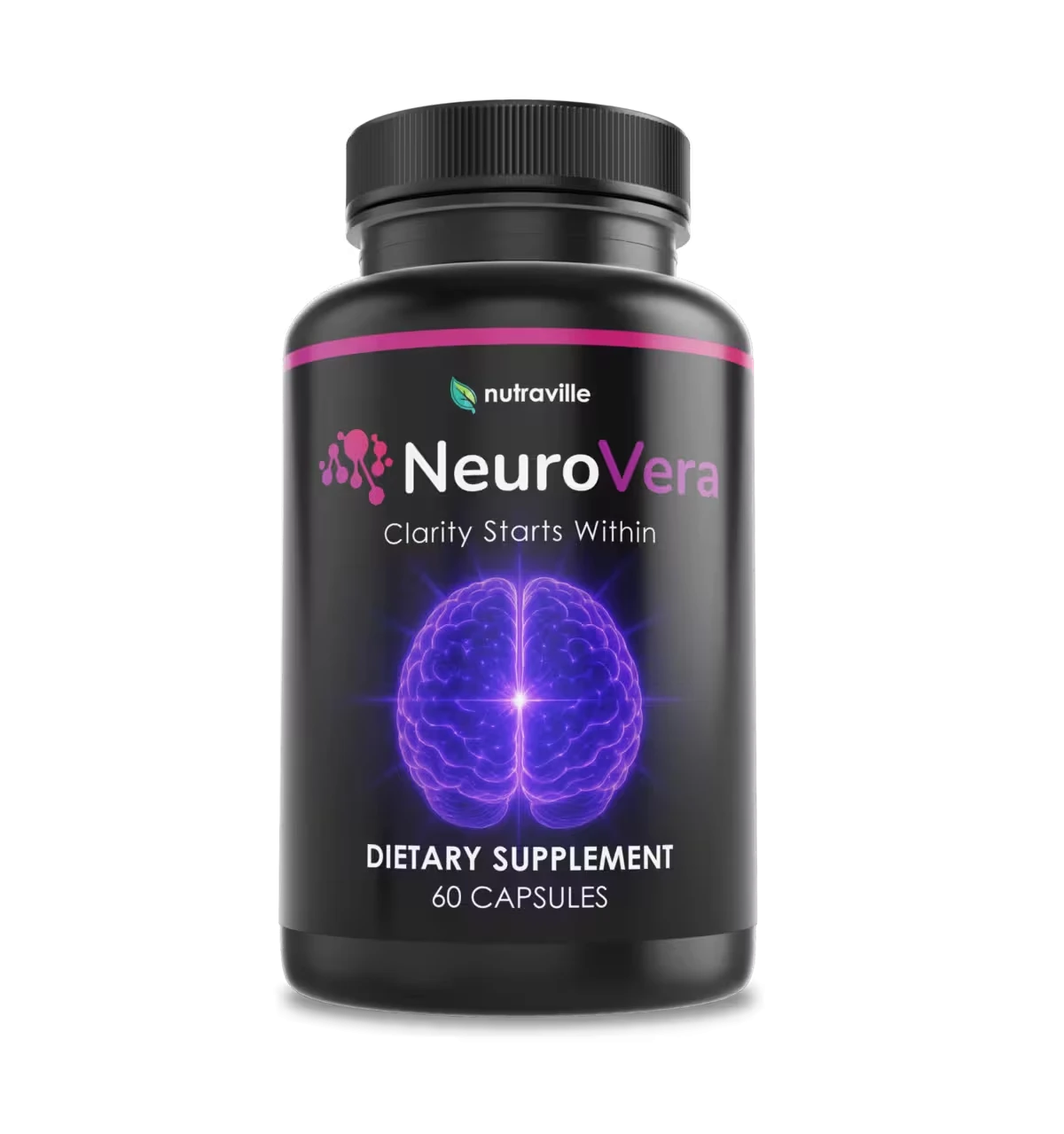
NeuroVera is a two-capsule daily memory supplement from Nutraville built around bacopa, lion’s mane, gotu kola, shilajit and schisandra. It is unusually cheap for its category, at $49 a bottle or less, and carries a 365-day money-back guarantee. This review covers what the research on those ingredients supports, what the vendor leaves out, the real prices and how the refund works.
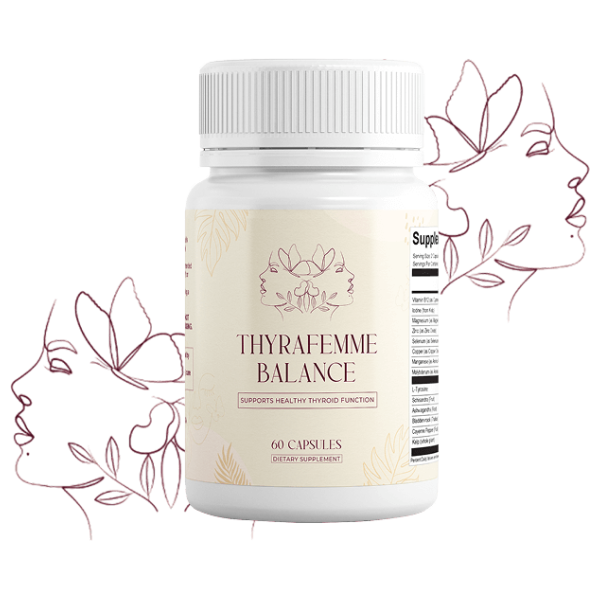
Thyrafemme Balance is a 14-ingredient capsule sold to women for “thyroid balance”, with energy, mood, weight, hair and skin among the promised benefits. This review covers the full label, what research shows for selenium, ashwagandha and iodine, why women with thyroid disease or on thyroid medicine should be careful, the real prices and the 60-day refund.
Scientific Analysis of Schisandra Berry
The Science of Schisandra: Mechanisms of Action
Schisandra berry's main active compounds are thought to be a group of lignans. These compounds include schizandrin, deoxyschizandrin, and gomisins, and most research on them has been done in the lab and in animals. Schisandra has been proposed to act on the hypothalamic-pituitary-adrenal (HPA) axis, but this has not been established in people. This system governs the body's stress response. Russian studies reported changes in cortisol and nitric oxide levels in healthy people, but effects on stress resilience have not been shown in modern controlled trials.
Laboratory and animal research also links Schisandra to the formation of heat shock proteins. These proteins act as molecular chaperones, protecting cells from damage caused by heat, ischemia, and oxidative stress. Effects on cellular energy (ATP) and mitochondria have been reported in lab studies, but they do not show that it improves endurance or fatigue in people.
Health Benefits and What the Research Shows
1. Liver Health and Detoxification
Liver protection is one of the most studied uses of Schisandra, but most of that research is in animals and cells. Schisandra lignans affect the liver's drug-processing enzymes, and in human studies some Schisandra extracts raised blood levels of certain medicines. Some reports suggest Schisandra may lower liver enzyme readings (ALT and AST), but well-designed trials in people with liver disease are lacking. Effects on liver tissue regeneration and glutathione have been reported mainly in animal studies and have not been shown to protect people from toxins or alcohol.
2. Cognitive Function and Mental Clarity
Schisandra is frequently used as a nootropic to enhance mental performance. Older Russian studies reported better accuracy and mental performance in healthy people, but modern trials of Schisandra alone are lacking. Proposed effects on brain chemicals and inflammation come from animal and lab research. It has not been compared with caffeine in good trials, and benefits for "brain fog" or high-pressure work have not been shown.
3. Physical Endurance and Recovery
In the mid-20th century, Soviet scientists extensively studied Schisandra as a possible way to improve physical and mental working capacity. They reported changes in nitric oxide levels, and a small 2020 trial found lower resting lactate in postmenopausal women taking 1,000 mg of extract daily for 12 weeks. Two small 12-week trials found improved leg (quadriceps) strength in older adults, but effects on stamina and recovery have not been shown.
4. Stress and Anxiety Resilience
Schisandra is described as an adaptogen, a substance claimed to help the body maintain balance under stress. Effects on anxiety and depression come mainly from animal studies and older Russian clinical reports, and have not been confirmed in modern controlled trials. There is no good evidence that it prevents the "burnout" often associated with chronic stress.
Scientific Research and Clinical Evidence
Modern clinical trials of Schisandra are few and small, so most traditional claims remain unconfirmed. A 2010 study published in the journal "Phytomedicine" gave 40 stressed women a single dose of a combination of Rhodiola, Schisandra and Eleutherococcus and found better attention, speed and accuracy than placebo, so Schisandra's own effect cannot be separated. We could not find well-designed trials confirming that Schisandra reduces inflammation in people with chronic hepatitis. Animal research has explored possible anti-aging and antioxidant effects, but none of this has been shown in people.
Potential Side Effects and Safety
No serious side effects have been reported in small trials, but Schisandra is not well studied in humans and long-term safety is unknown. Some sources advise caution for people with peptic ulcers or gastroesophageal reflux disease (GERD), though an effect on stomach acid in people is not well established. Side effects are not well documented; in one small trial, minor complaints such as sleepiness occurred about equally with the product and placebo.
Schisandra may interact with certain medications, especially tacrolimus and other drugs processed by the liver's CYP3A enzymes or moved by P-glycoprotein. Its safety during pregnancy, breastfeeding and in people with epilepsy has not been established, so it is best avoided in these situations unless a doctor advises otherwise. Always consult with a healthcare professional before adding Schisandra to your supplement regimen.
Frequently Asked Questions
Doses for dried Schisandra berry powder are not well established by clinical trials. Recent trials of Schisandra extract used 1,000 mg (1 g) a day for 12 weeks, while a drug-interaction study used 300 mg twice daily.
There is no research on the best time of day; some people take it in the morning because it is traditionally considered mildly stimulating. Taking it too late in the evening may interfere with sleep for sensitive individuals.
One study of a three-herb combination measured attention two hours after a single dose, while trials of Schisandra alone ran for 6 to 12 weeks; how long any benefits take is not established.
Yes, Schisandra is often paired with other adaptogens like Rhodiola Rosea or Ashwagandha. These combinations are common in 'adrenal support' formulas, though a synergistic effect on the stress response has not been shown in people.
⚖️ Conclusion
Schisandra chinensis is a traditional tonic herb with a long history, but modern human research on it is still limited. Most findings on oxidative stress, liver protection and the stress response come from lab and animal studies rather than human trials. Proposed effects on the hypothalamic-pituitary-adrenal (HPA) axis and heat shock proteins have not been shown to produce lasting benefits in people. Its lignans, such as schizandrin and gomisin, show neuroprotective and anti-inflammatory activity in laboratory research, but human data are lacking. Small trials hint at benefits for leg strength in older adults and for menopausal symptoms, but evidence for focus, liver support or endurance is weak. It is generally well-tolerated, though users should start with a standard dose to assess sensitivity. Ultimately, Schisandra berry remains a traditional remedy whose modern benefits are still largely unproven. Anyone taking prescription medicines, especially tacrolimus, should check with a doctor before using it.