
Home » Ingredients » Tea Tree Oil
Tea Tree Oil: What It Is Good For, What the Research Shows, and Safety
Tea tree oil is an essential oil steam-distilled from the leaves of the Australian tea tree (Melaleuca alternifolia). It is used on the skin for acne, dandruff, athlete’s foot and nail fungus, and must never be swallowed.
Last updated 2 November 2026
Tea Tree Oil: the short answer
Tea tree oil is an essential oil from the leaves of the Australian tea tree, used on the skin. In small trials, a 5% gel helped acne, though more slowly than benzoyl peroxide; a 5% shampoo eased dandruff; and 25% to 50% solutions cleared athlete’s foot more often than a placebo. For nail fungus, the main trial used undiluted oil twice a day for six months, and the fungus cleared in only 18% of people; NCCIH says the research is too limited for conclusions. It must never be swallowed, and it can irritate the skin or cause allergic reactions.
| What it is | An essential oil steam-distilled from the leaves of the Australian tea tree (Melaleuca alternifolia); for use on the skin only. |
|---|---|
| Most studied for | Athlete’s foot, acne, dandruff and nail fungus, in small trials. |
| Amounts used in studies | 5% gel for acne and 5% shampoo for dandruff; 25% to 50% solution twice a day for 4 weeks for athlete’s foot; undiluted (100%) oil twice a day for 6 months for nail fungus. |
| Strength of evidence | Limited: small trials with modest results; the fungus cleared in 18% in the main nail trial, and NCCIH calls the nail research insufficient. |
| Safety | Never swallow it. Can irritate the skin or cause allergic reactions, more so when old or undiluted. A 2007 report linked lavender and tea tree oil products to breast growth in three young boys. |
| In products we review | Kerassentials, KeraFirm Pro |
Sources: Tea Tree Oil (NCCIH) · Tea tree oil versus clotrimazole for toenail fungus (J Fam Pract 1994) · 25% and 50% tea tree oil for athlete’s foot (Australas J Dermatol 2002) · Tea tree oil versus benzoyl peroxide for acne (Med J Aust 1990) · 5% tea tree oil shampoo for dandruff (J Am Acad Dermatol 2002) · Lavender and tea tree oils and breast growth in boys (N Engl J Med 2007)
Benefits of Tea Tree Oil
What is tea tree oil?
Tea tree oil is an essential oil made by steam distillation of the leaves of the tea tree, Melaleuca alternifolia, a small tree native to Australia. It is not related to the plant that gives us black and green tea. Its main active compound, terpinen-4-ol, kills bacteria and fungi in laboratory tests. It is sold as pure (100%) oil and as an ingredient in shampoos, gels, creams, foot powders and nail oils, usually at a few per cent.
Why people use it
Tea tree oil is used on the skin, mainly for spots and acne, dandruff, athlete’s foot and fungal nails, and as a general antiseptic for minor skin problems. It is for external use only: it must never be swallowed.
Top Rated Supplements with Tea Tree Oil
Products we review that list Tea Tree Oil as an ingredient. Not every product discloses how much of each ingredient a serving contains, so check each review before assuming it matches the amounts used in studies.
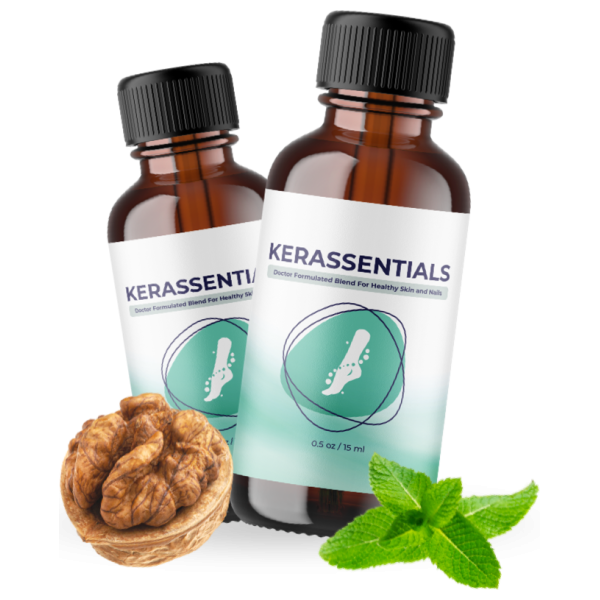
Kerassentials is a nail oil sold online for toenail fungus, to be brushed on four times a day. This review covers its full 17-ingredient label, what research shows for its main ingredients, how it compares with treatments that are proven to work, the sales claims, the prices and the 60-day refund.
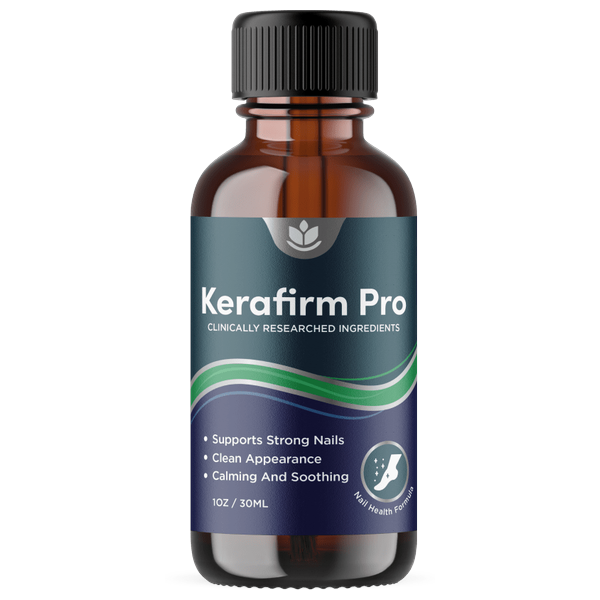
KeraFirm Pro is a nail liquid sold online for toenail fungus, brushed on four times a day. This review compares its 9-ingredient label with the 13 ingredients on its sales page, covers what research shows for the main ones, which treatments are proven to work, the sales claims, the prices and the 60-day refund.
Scientific Analysis of Tea Tree Oil
Nail fungus
The main trial, published in 1994, gave 117 people with toenail fungus either undiluted (100%) tea tree oil or 1% clotrimazole solution, an antifungal, twice a day for six months. The two did about as well as each other: the fungus cleared on laboratory testing in 18% of the tea tree oil group against 11% of the clotrimazole group, and about 60% of each group saw some improvement in how the nail looked. A 2022 systematic review of complementary therapies for nail fungus, such as tea tree oil, found only preliminary evidence, and the US National Center for Complementary and Integrative Health (NCCIH) says that both the amount and the quality of the research are insufficient for any conclusions.
Nail fungus is slow to treat because a toenail takes a year or more to grow out. Thick or discoloured nails are not always fungal, so a doctor or podiatrist should confirm it first; if it is fungus, prescription tablets such as terbinafine and nail solutions such as efinaconazole have the best evidence. If you have diabetes or poor circulation, do not treat foot problems on your own.
Athlete’s foot
In a 2002 trial of 158 people with athlete’s foot between the toes, a 25% or 50% tea tree oil solution or a placebo was applied twice a day for four weeks. The fungus cleared in 64% of the 50% group and 55% of the 25% group, against 31% with placebo. Four people using tea tree oil (3.8%) developed moderate to severe skin inflammation, which improved soon after they stopped. NCCIH notes that it may not work as well as standard antifungal creams.
Acne
A 1990 trial compared a 5% tea tree oil gel with 5% benzoyl peroxide lotion in 124 people with mild to moderate acne for three months. Both reduced spots, but tea tree oil acted more slowly and reduced inflamed spots less, although it caused fewer side effects such as dryness and itching. NCCIH says a small amount of research suggests that it might help acne.
Dandruff
In a 2002 trial, 126 people with mild to moderate dandruff used a 5% tea tree oil shampoo or a placebo shampoo every day for four weeks. Dandruff severity improved by 41% with tea tree oil against 11% with placebo, although only one person in each group was completely clear at the end.
How it is used
Most trials used diluted products (5% for acne and dandruff, 25% to 50% for athlete’s foot); only the nail trial used undiluted oil. Undiluted oil is more likely to irritate the skin, so test a small amount on one patch of skin first, keep it away from the eyes, and stop if your skin becomes red, itchy or sore. Old oil, or oil that has been left in heat, light or air, is more likely to cause a reaction, so keep the bottle closed and away from light.
Side effects and safety
Never swallow it. Swallowed tea tree oil can cause confusion, unsteadiness, an inability to walk and coma, so keep it out of the reach of children. On the skin it can cause redness, irritation and allergic reactions. A 2007 report described three young boys who developed breast growth while using skin products containing lavender and tea tree oils; it went away after they stopped, and laboratory tests showed the oils had weak hormone-like effects, but other research has not confirmed the link. NCCIH says products used on the skin may be safe in pregnancy and breastfeeding.
Products we review that contain it
Kerassentials lists tea tree oil fifth of 17 ingredients and KeraFirm Pro fifth of 9, after carrier oils such as almond and flaxseed oil. Neither says how much it contains, so the amount is likely far below the undiluted oil used in the nail trial. Both also contain undecylenic acid.
Frequently Asked Questions
Small trials suggest it can help mild skin problems: a 5% gel helped acne, though more slowly than benzoyl peroxide; a 5% shampoo eased dandruff; and 25% to 50% solutions cleared athlete’s foot more often than a placebo. Evidence for nail fungus is weak.
Not well. In the main trial, undiluted tea tree oil applied twice a day for six months did about as well as 1% clotrimazole solution, but the fungus cleared in only 18% of people. NCCIH says the research is insufficient. Prescription tablets and nail solutions have better evidence.
The nail trial lasted six months, and a toenail takes a year or more to grow out, so any change is slow. Have a doctor or podiatrist confirm it is fungus first.
It may help a little. A 5% tea tree oil gel reduced acne spots in a 1990 trial, more slowly than 5% benzoyl peroxide but with fewer side effects. It can also irritate the skin or cause allergic reactions.
A 2002 trial found that a 5% tea tree oil shampoo used daily for four weeks improved dandruff by 41%, against 11% with a placebo shampoo, although few people were completely clear.
Most trials used diluted products of 5% to 50%. Undiluted oil is more likely to irritate, so test a small patch first, keep it away from the eyes and stop if the skin becomes red or sore.
Never swallow it: swallowed tea tree oil can cause confusion, unsteadiness and coma, so keep it away from children. On the skin it is usually safe, but it can cause irritation or allergic reactions, especially when old or undiluted.
Among the products we review, the nail oils Kerassentials and KeraFirm Pro list tea tree oil fifth on their labels, without stating the amount.
⚖️ Conclusion
Tea tree oil is a reasonable home remedy for mild skin problems: small trials found modest benefits for acne, dandruff and athlete’s foot, although standard treatments generally work as well or better. Nail fungus is a different matter. Even undiluted oil applied twice a day for six months cleared the fungus in fewer than one person in five, and nail oils that list it among many ingredients, without the amount, contain far less. Never swallow it, test it on a small patch of skin first, and see a doctor about thick or discoloured nails before spending months on any remedy.