
Home » Ingredients » Vitamin D (D3)
Vitamin D3 (Vitamin D): What It Does, How Much You Need and Side Effects
Vitamin D3 (cholecalciferol) is the form of vitamin D the skin makes in sunlight. Adults need 600 to 800 IU a day; supplements correct a deficiency but did not prevent cancer, heart disease or fractures in the VITAL trial.
Last updated 3 November 2026
Vitamin D (D3): the short answer
Vitamin D is a vitamin the skin makes in sunlight and few foods contain; D3 (cholecalciferol) is the form made in the skin and the one in most supplements. It helps the body absorb calcium for bones and is used by muscles, nerves and the immune system. Adults need 15 mcg (600 IU) a day up to age 70 and 20 mcg (800 IU) after that, and the upper limit is 100 mcg (4,000 IU). Supplements correct a deficiency, which is common in winter and in people who get little sun, but in the large VITAL trial 2,000 IU a day for about five years did not prevent cancer, heart disease or fractures. Months of very high doses raise blood calcium, causing nausea, weakness and kidney stones.
| What it is | The form of vitamin D made in the skin in sunlight (cholecalciferol); needed to absorb calcium for bones and used by muscles, nerves and the immune system. |
|---|---|
| Daily need | 15 mcg (600 IU) for ages 1 to 70, 20 mcg (800 IU) from 71, 10 mcg (400 IU) for babies. Upper limit 100 mcg (4,000 IU) for adults. |
| Blood level | Below 30 nmol/L (12 ng/mL) is deficient; 50 nmol/L (20 ng/mL) or more is enough for most people; above 125 nmol/L (50 ng/mL) may be too high. |
| Research | Corrects a deficiency. In VITAL (25,871 adults, 2,000 IU a day for about 5 years) it did not prevent cancer, heart disease or fractures; it slightly lowers respiratory infections. |
| Safety | Months of very high doses raise blood calcium (nausea, weakness, kidney stones). Orlistat and steroids lower levels; thiazide diuretics can raise calcium. |
| In products we review | ProstaVive, Cardio Shield, Java Burn, LungExpand Pro |
Sources: Vitamin D fact sheet for health professionals (NIH Office of Dietary Supplements) · Vitamin D supplements and prevention of cancer and cardiovascular disease: the VITAL trial (NEJM 2019) · Supplemental vitamin D and incident fractures in midlife and older adults (NEJM 2022) · Vitamin D supplementation to prevent acute respiratory tract infections: meta-analysis (BMJ 2017)
Benefits of Vitamin D (D3)
What is vitamin D3?
Vitamin D is a fat-soluble vitamin that the skin makes in sunlight, and that few foods contain naturally. It comes in two forms: vitamin D3 (cholecalciferol), the form the skin makes and the one in most supplements, and vitamin D2 (ergocalciferol), made from yeast and mushrooms. The body turns both into 25-hydroxyvitamin D, the form measured in a blood test. Vitamin D helps the gut absorb calcium and phosphate, so it is needed for strong bones, and it is also used by muscles, nerves and the immune system.
Why people take it
People take vitamin D3 to correct or prevent a low level, especially in winter or when they get little sun, to protect their bones, and in the hope of preventing colds, heart disease, cancer or weight gain. It is in most multivitamins and many other supplements, often paired with vitamin K2.
Top Rated Supplements with Vitamin D (D3)
Products we review that list Vitamin D (D3) as an ingredient. Not every product discloses how much of each ingredient a serving contains, so check each review before assuming it matches the amounts used in studies.
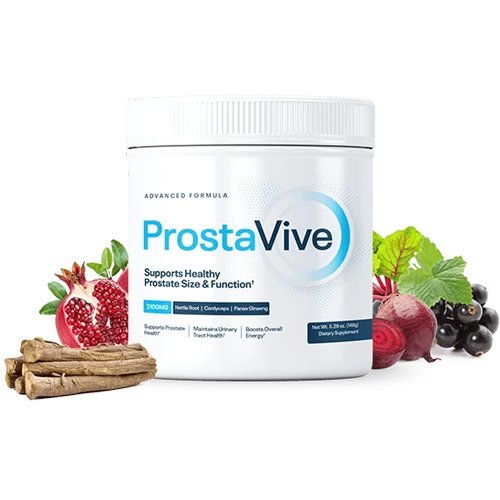
ProstaVive (also written Prosta Vive) is a once-daily drink powder sold through ClickBank for prostate health, urine flow, sleep and sex drive. This review checks its full label, with fenugreek, ashwagandha, tongkat ali, maca, nettle root, zinc and vitamin D3, against the research, and explains the prices and the 180-day refund. Men with urinary symptoms should see a doctor first.
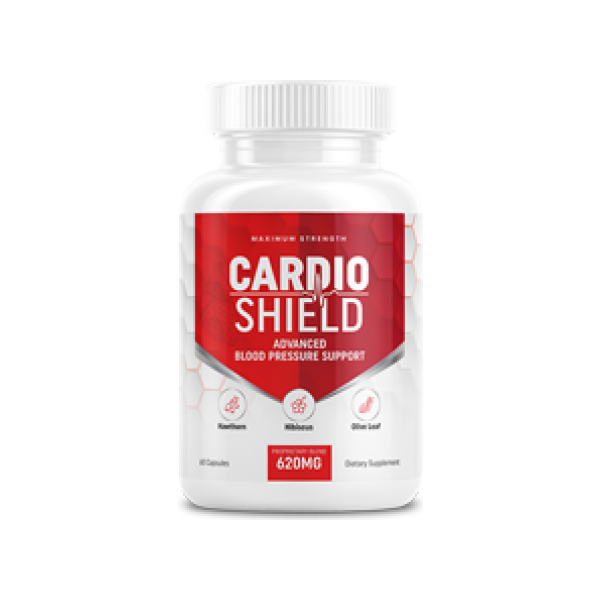
Cardio Shield is a capsule sold for “healthy blood pressure” by a narrator called Jerry and a supplement company, Apollo Research. Two capsules provide six vitamins and a 570 mg blend of hawthorn, olive leaf, nattokinase, green tea, garlic and hibiscus. This review covers what that label shows, what research supports at those amounts, why its promises about medication are dangerous, the real prices and how the 180-day refund works.
Java Burn 2.0 is a liquid weight-loss supplement you add to your coffee, one dropper a day, sold through ClickBank; the original powder is still sold on javaburn.com. This review checks the 2.0 label (vitamins D, B6 and B12, chromium and a 550 mg blend) against the research and explains the prices and refund rules.
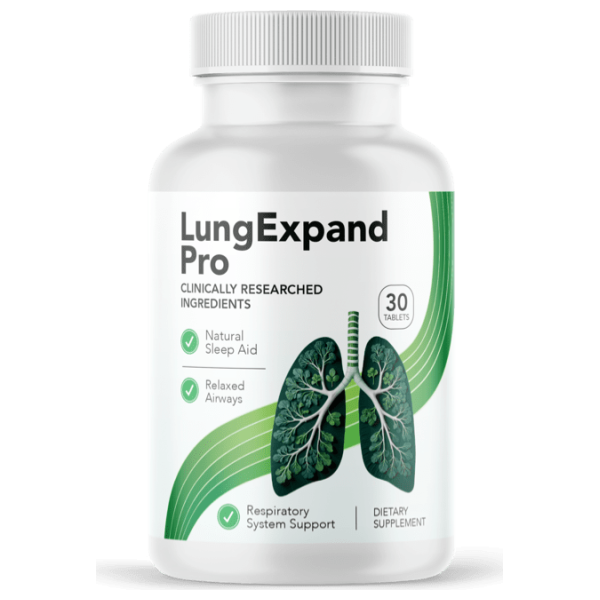
LungExpand Pro is a one-a-day tablet sold for easier breathing and lung health. Its label lists vitamin D3 and a 500 mg blend of umckaloabo (pelargonium), ivy, mullein, coltsfoot, serratiopeptidase and peppermint oil. This review checks what the research shows for each ingredient, why the coltsfoot matters for safety, and the prices and 60-day refund.
Scientific Analysis of Vitamin D (D3)
How much vitamin D you need per day
The recommended amounts from the US National Institutes of Health are 15 mcg (600 IU) a day for everyone aged 1 to 70, including in pregnancy, 20 mcg (800 IU) from age 71, and 10 mcg (400 IU) for babies under one. One microgram is 40 IU. The upper limit for adults is 100 mcg (4,000 IU) a day from all sources. These amounts assume you get little sun: the skin can make plenty in summer, but much less in winter, far from the equator, with darker skin, with sunscreen and with age.
Sunlight and food sources
Few foods are good sources: oily fish such as salmon, trout and sardines, egg yolks, and mushrooms grown under UV light. In the US, most milk and many breakfast cereals, plant milks and orange juices have vitamin D added. For many people, especially in winter, a supplement is the easiest way to reach the recommended amount.
Vitamin D deficiency
A blood test of 25-hydroxyvitamin D shows your level. Below 30 nmol/L (12 ng/mL) is deficient, and 50 nmol/L (20 ng/mL) or more is enough for most people; levels above 125 nmol/L (50 ng/mL) may be too high. A low level often causes no symptoms, but a long-standing deficiency softens the bones: rickets in children, and osteomalacia, with bone pain and muscle weakness, in adults. People most at risk are older adults, people with darker skin, people who rarely go outdoors or keep their skin covered, people with obesity, breastfed babies, and people with conditions such as Crohn’s or coeliac disease that reduce fat absorption.
Vitamin D3 or D2?
Both forms raise vitamin D levels, but most studies show that D3 raises them more and keeps them higher for longer, which is why most supplements use D3. D3 is usually made from sheep’s wool (lanolin), although vegan D3 from lichen is available; D2 is made from yeast or mushrooms.
Vitamin D3 with K2
Many products pair D3 with vitamin K2, on the idea that K2 helps put calcium into bones rather than arteries. There is little trial evidence that the pair works better than vitamin D on its own. People who take warfarin should not start vitamin K2 without asking their doctor, because vitamin K weakens warfarin.
What the research shows
- Cancer and heart disease: in the VITAL trial, 25,871 US adults aged 50 or older took 2,000 IU of vitamin D3 or a placebo every day for about five years. Vitamin D did not lower the number of invasive cancers, or of heart attacks, strokes and deaths from heart disease.
- Bones: in the same trial, vitamin D3 did not reduce fractures. That result does not apply to people with a deficiency, low bone density or osteoporosis.
- Colds and chest infections: a 2017 BMJ analysis of 25 trials with about 11,000 people found that vitamin D lowered the chance of an acute respiratory infection by about 12%, with the clearest benefit in people with very low levels who took it daily or weekly; large one-off doses did not help.
- Weight: vitamin D supplements have not been shown to help with weight loss.
Side effects and safety
- Too much: taking far more than the 4,000 IU upper limit for months can raise blood calcium, causing nausea, vomiting, muscle weakness, confusion, thirst, frequent urination and kidney stones; very high levels can damage the kidneys and upset the heart rhythm. This almost always comes from supplements, not from sun or food.
- Count every source: add up the vitamin D in all your supplements, including multivitamins and products like those below, before adding more.
- Medicines and conditions: orlistat and steroid tablets such as prednisone lower vitamin D levels, and thiazide diuretics taken with high-dose vitamin D can raise blood calcium. People with kidney disease, sarcoidosis or a high calcium level should ask their doctor first.
Products we review that contain it
ProstaVive provides 50 mcg (2,000 IU) of vitamin D3 per serving, the daily dose used in the VITAL trial and half the upper limit. Java Burn provides 20 mcg (800 IU) per dropper, LungExpand Pro 20 mcg per tablet and Cardio Shield 15 mcg (600 IU) per two capsules. These amounts correct or prevent a low level; in people who are not deficient, vitamin D has not been shown to help prostate symptoms, weight, breathing or heart health.
Frequently Asked Questions
It helps the body absorb calcium and phosphate for strong bones and teeth, and it is used by muscles, nerves and the immune system. Too little for a long time softens the bones.
The recommended amount is 15 mcg (600 IU) a day for ages 1 to 70 and 20 mcg (800 IU) from 71. The upper limit for adults is 100 mcg (4,000 IU). If a blood test shows a deficiency, your doctor may prescribe more for a while.
For adults, yes: it is half the 4,000 IU upper limit, and it was the daily dose taken for about five years in the VITAL trial. Count the vitamin D in all your supplements.
It is above the 4,000 IU upper limit for adults. Doctors sometimes prescribe higher doses for a short time to correct a deficiency and then check blood levels; taking more than the upper limit for long periods without that check is not advised.
Vitamin D is the general name. D3 (cholecalciferol) is the form the skin makes and the one in most supplements; D2 (ergocalciferol) is made from yeast or mushrooms. D3 raises blood levels more and for longer.
There is little trial evidence that the pair works better than vitamin D on its own. If you take warfarin, ask your doctor before taking K2, because vitamin K weakens warfarin.
Often there are none. A long-standing deficiency can cause bone pain, muscle weakness and soft bones (rickets in children, osteomalacia in adults). A blood test of 25-hydroxyvitamin D is the only way to know your level.
Months of very high doses raise blood calcium, causing nausea, vomiting, muscle weakness, confusion, thirst, frequent urination and kidney stones. It almost always comes from supplements.
In summer, often yes, but the skin makes much less in winter, far from the equator, with darker skin, with sunscreen and with age, so many people need food sources or a supplement then.
Among the products we review, ProstaVive provides 50 mcg (2,000 IU) per serving, Java Burn 20 mcg (800 IU) per dropper, LungExpand Pro 20 mcg per tablet and Cardio Shield 15 mcg (600 IU) per two capsules.
⚖️ Conclusion
Vitamin D3 is worth taking if your level is low or likely to be low: in winter, if you get little sun, have darker skin, are older or have a condition that affects absorption. For people who are not deficient, the large VITAL trial found that 2,000 IU a day did not prevent cancer, heart disease or fractures, and there is little evidence that pairing it with K2 adds anything. Stay under the 4,000 IU upper limit unless a doctor advises otherwise, and add up the vitamin D in all your supplements, including the amounts in the products we review.