
Home » Ingredients » Astragalus
Astragalus Root: What the Research Shows
Astragalus membranaceus is an herb whose root has been used for centuries in traditional Chinese medicine, where it was taken to support the immune system and energy. It is marketed for immune, heart and anti-aging support, but NCCIH says there is not enough reliable evidence to know whether it helps any health condition.
Last updated 7 October 2026
Astragalus: the short answer
Astragalus has a long history in traditional Chinese medicine, but NCCIH says there is not enough reliable evidence to know whether it helps any health condition. Small, mostly low-quality trials suggest it may help as an add-on for type 2 diabetes, kidney disease and heart failure, while immune and anti-aging claims rest mainly on lab studies.
| What it is | The dried root of Astragalus membranaceus (Huang Qi), a legume-family plant used in traditional Chinese medicine, often combined with other herbs. |
|---|---|
| Most studied for | Add-on to standard care in type 2 diabetes, kidney disease and heart failure (mostly trials in China); immune markers; and TA-65, a cycloastragenol-based product, for telomere length. |
| Amounts used in studies | No standard dose is established and amounts vary widely. Research has used up to 60 g of astragalus a day for up to 4 months; heart failure trials gave 20-60 mL intravenous astragalus injection with standard care; the TA-65 trial used 250 U or 1,000 U daily for 12 months. |
| Strength of evidence | Limited - NCCIH says the evidence is not sufficient for any condition, and reviews rate most trials as small and low quality. |
| Safety | May be safe by mouth (up to 60 g a day for 4 months without apparent adverse effects in research); rash, itching, nasal symptoms or stomach upset can occur. Avoid with autoimmune disease and in pregnancy or breastfeeding (animal data suggest fetal harm). May interact with immunosuppressants, lithium (may reduce its excretion), diabetes medicines and blood pressure medicines. |
| In products we review | Audifort, ZenCortex |
Sources: NCCIH astragalus fact sheet · Merck Manual astragalus monograph · 2024 heart failure meta-analysis · TA-65 telomere trial 2016
Benefits of Astragalus
What is Astragalus?
Astragalus, known scientifically as Astragalus membranaceus and in Chinese as "Huang Qi," is a perennial plant that belongs to the legume family. Native to the northern and eastern regions of China, Mongolia, and Korea, it has a long history of use in Traditional Chinese Medicine (TCM), often combined with other herbs. Historically, it was classified as a "superior herb," a designation reserved for plants that could be taken over long periods to promote health and longevity without toxic side effects.
The medicinal part of the plant is the long, fibrous root, which is typically harvested from plants that have matured for at least four years. In ancient times, healers used Astragalus to tonify the "Wei Qi," or the body's protective energy, effectively serving as a shield against external pathogens and environmental stressors. Lab research has identified polysaccharides, saponins and flavonoids in the root, but whether these compounds produce health benefits in people is still unclear.
Top Rated Supplements with Astragalus
Products we review that list Astragalus as an ingredient. Not every product discloses how much of each ingredient a serving contains, so check each review before assuming it matches the amounts used in studies.
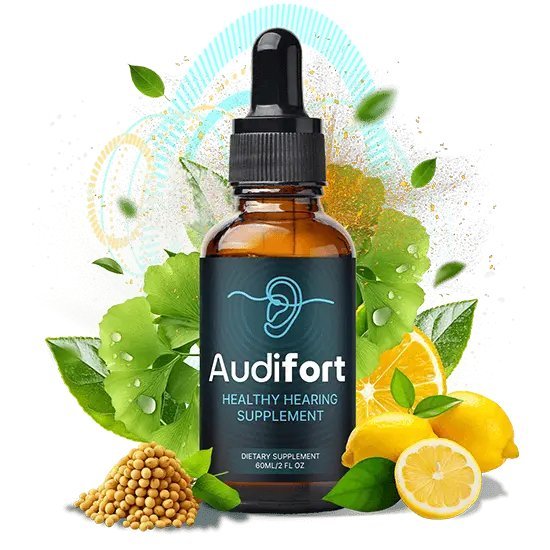
Audifort is a liquid dietary supplement marketed for hearing support and ringing in the ears, made from a blend of plant extracts, amino acids and a trace of chromium. This review looks at what is actually in the formula, what the evidence supports, what a realistic trial costs, and when hearing symptoms warrant an audiologist rather than a supplement.
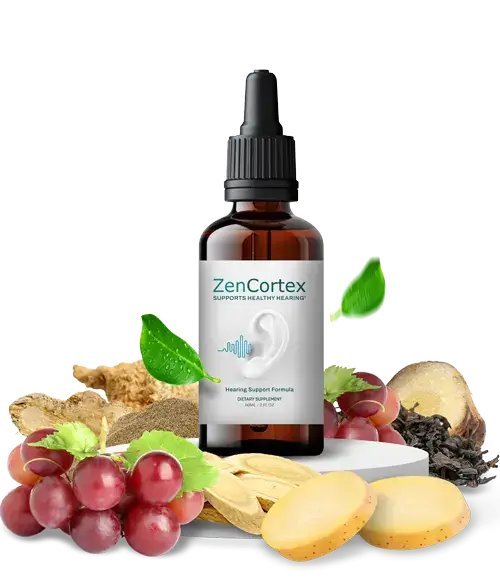
ZenCortex is a liquid supplement marketed for hearing support, memory and mental sharpness. This liquid supplement is designed for individuals who are tired of the constant ringing, buzzing, or muffled sounds that often accompany aging or environmental exposure. In this review we look at the evidence behind the formula, which the vendor says contains over 20 ingredients, mostly plant extracts plus amino acids. ZenCortex comes as liquid drops rather than pills; there is no published evidence that this format is absorbed better. Whether you are looking to sharpen your mental focus or protect your delicate auditory system from oxidative stress, ZenCortex claims to provide the 360-degree support you need.
Scientific Analysis of Astragalus
The Science Behind Astragalus: Mechanism of Action
The biological activity of Astragalus is driven by its rich concentration of bioactive compounds. The most significant of these are Astragalus polysaccharides (APS), triterpene saponins (particularly Astragalosides I–VII), and various flavonoids. In cell and animal studies, these compounds affect immune activity and cell stress pathways; how far this applies to people is not known.
Immune Modulation and White Blood Cell Activation
Astragalus is often described as an immunomodulator, but most of what is known about its immune effects comes from cell and animal studies. Lab and animal studies report increased activity of macrophages, T-cells and natural killer (NK) cells, and a 2023 review of 19 small human studies found changes in some immune markers. Lab studies suggest it can raise interferon, a protein involved in fighting viruses, but it has not been shown to prevent infections in people. The same review found lower levels of some inflammatory proteins, but the studies were small and varied, and effects on infections or tissue damage are unknown.
Telomerase Activation and Anti-Aging
Another area of research is its possible effect on telomeres, the protective caps at the ends of our chromosomes. As cells divide, telomeres shorten, eventually leading to cellular senescence and death. Cycloastragenol, a compound from astragalus, activates the enzyme telomerase in lab studies, and in one 12-month trial of 117 older adults a product based on it (TA-65) lengthened telomeres at the lower dose only. That trial was small, involved the product's maker, and did not show that people age more slowly or live longer.
Health Benefits and What the Research Shows
Astragalus has a long traditional use, but NCCIH says there is not enough reliable evidence to know whether it helps any health condition. It is promoted for many purposes, but most human trials are small, and many come from Chinese medicine settings with low-quality methods.
1. Enhanced Immune Defense
Astragalus is promoted for colds and other upper respiratory infections, but there is no reliable human evidence that it prevents or shortens them. Ideas about how it might work, such as raising secretory IgA (an antibody that helps protect the airways), come mainly from lab and animal research. Some herbalists suggest it during seasonal changes, but this practice has not been tested in good-quality trials.
2. Cardiovascular Support
Evidence for heart health is limited and comes mostly from small trials in China. Lab studies suggest it may relax blood vessels, and it may lower blood pressure, so it could add to the effect of blood pressure medicines. A 2024 review of 10 Chinese trials (995 patients) found that intravenous astragalus added to standard heart failure care improved heart pumping measures, but the authors rated the evidence low quality. Antioxidant effects on LDL cholesterol have been reported in lab studies, but there is no human evidence that astragalus prevents atherosclerosis.
3. Kidney Function and Protection
The herb is frequently used to support patients with chronic kidney disease (CKD). Reviews of mostly low-quality trials suggest that astragalus added to standard care may reduce proteinuria (excess protein in the urine), a sign of kidney damage. It has not been shown in well-designed trials to slow kidney failure, so people with kidney disease should use it only with medical supervision.
4. Blood Sugar Regulation
A 2024 review of 20 studies (953 adults with type 2 diabetes) found that astragalus plus metformin lowered fasting glucose and HbA1c more than metformin alone, but most studies were low quality. It has not been shown to prevent diabetes complications, and combining it with diabetes medicines could lower blood sugar too far, so check with your doctor first.
Potential Side Effects and Safety Profile
Astragalus may be safe when taken by mouth; up to 60 grams a day for 4 months did not seem to cause adverse effects in research, but its safety has not been fully studied. In clinical trials, side effects are rare and typically mild, including minor digestive issues or occasional rashes. However, there are specific considerations for certain populations:
- Autoimmune Conditions: NCCIH advises people with autoimmune diseases, such as lupus, rheumatoid arthritis or multiple sclerosis, to avoid astragalus, because it may affect immune activity and could worsen their disease.
- Drug Interactions: Astragalus may interact with immunosuppressant drugs (often used after organ transplants or for autoimmune diseases) and lithium, as it may interfere with how the body excretes the medication.
- Pregnancy and Breastfeeding: Its safety in pregnancy and breastfeeding is unknown, and animal research suggests it may harm a developing fetus, so avoid it during these times.
No standard dose has been established, and the amounts and forms used in studies vary widely, from dried root to injections given in hospital. Standardized extracts state their polysaccharide or astragaloside content, which helps consistency but does not prove that a product works.
Frequently Asked Questions
No dose has been established for general health or immune support; follow the product label and talk to a health professional. Traditional decoctions use larger amounts of dried root, which cannot be directly compared with concentrated extracts.
Daily use for up to 4 months appeared well tolerated in research, but long-term safety has not been well studied. There is no good evidence that taking it every day builds up the body's defenses.
Astragalus may interact with immunosuppressants because it boosts immune activity. It may also reduce how well the body clears lithium, which could raise lithium levels. If you are on these medications, consult your doctor before starting supplementation.
Astragalus can be taken at any time of day. Some people take it in the morning with food; the best timing has not been studied.
⚖️ Conclusion
Astragalus is a widely used traditional herb, but good-quality human research on it is limited. Its effects on immunity and aging have been seen mainly in lab and animal studies and have not been confirmed in people. There is no scientific consensus that it strengthens immunity or protects telomeres; NCCIH says the evidence is not sufficient to know whether it helps any condition. Small, mostly low-quality trials in China suggest possible benefits as an add-on to standard care for type 2 diabetes, kidney disease and heart failure. There is no good evidence that it helps manage stress or prevents chronic disease. It appears to be well tolerated in short-term studies, but it has not been shown to slow aging, and its long-term safety is not well studied. People with autoimmune conditions should avoid it, and those taking immunosuppressants, lithium or diabetes medicines should check with a doctor first. Better-designed trials are needed before astragalus can be recommended for any specific health goal.