
Home » Ingredients » Boron
Boron: The Powerhouse Trace Mineral for Hormones and Longevity
Boron is a naturally occurring trace mineral essential for human health, playing a vital role in bone maintenance, hormone regulation, and brain function. It is commonly found in whole foods like nuts, legumes, and fruits, and is increasingly utilized in dietary supplements to optimize metabolic performance.
Benefits of Boron
What is Boron?
Boron is a biologically active trace element that, while not historically classified as an essential nutrient for humans in the same vein as calcium or iron, has gained significant recognition for its profound impact on health. It is a metalloid element found throughout the earth's crust and is naturally concentrated in various mineral deposits. In the human body, boron is distributed through the blood, with the highest concentrations found in the bones, teeth, and nails, suggesting its primary role in structural integrity.
The History of Boron
The history of boron dates back thousands of years; ancient Egyptians used borax (a boron compound) for mummification and metallurgy. However, it wasn't until 1808 that the element was officially isolated by chemists Sir Humphry Davy and Joseph Louis Gay-Lussac. In the context of nutrition, research into boron accelerated in the 1980s when scientists discovered that boron supplementation could significantly reduce the excretion of calcium and magnesium in postmenopausal women. This discovery sparked a wave of clinical interest into how this trace mineral influences everything from hormonal balance to cognitive performance.
Where Does Boron Come From?
Boron is primarily obtained through the diet, sourced from the soil by plants. Rich dietary sources include non-citrus fruits like apples, pears, and raisins, as well as legumes, nuts (particularly almonds and hazelnuts), and avocado. Because boron levels in produce depend heavily on the boron content of the soil, supplementation has become a popular method to ensure consistent daily intake, especially for individuals supporting specific health goals like bone density or athletic performance.
Top Rated Supplements with Boron
Discover top-rated products that utilize clinical doses of Boron as a core ingredient.
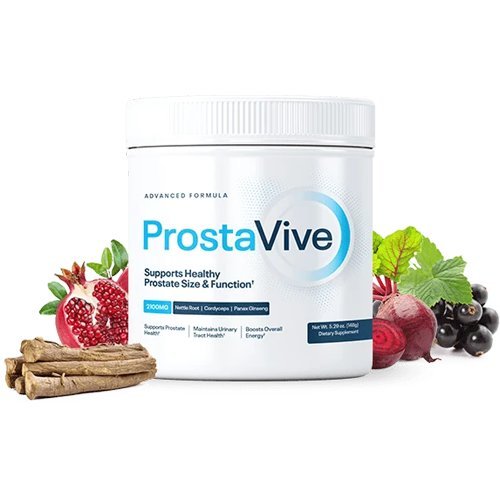
In the landscape of men's health, few issues are as persistent and frustrating as prostate-related discomfort. ProstaVive has emerged as a leading natural solution designed to address the root causes of urinary frequency, bladder pressure, and interrupted sleep. This advanced formula blends potent herbal extracts, essential minerals, and antioxidants to support a healthy prostate size and optimize urinary flow. Many ProstaVive Reviews highlight the product's ability to help men regain control over their daily lives and nocturnal habits. By targeting inflammation and hormonal imbalances, ProstaVive aims to provide a long-term strategy for men over 40 who want to maintain their vitality.
Scientific Analysis of Boron
Mechanism of Action: How Boron Works in the Body
Boron functions as a metabolic catalyst, influencing the activity of many enzymes and the metabolism of other essential nutrients. One of its primary mechanisms is its ability to form complexes with hydroxyl groups. This allows boron to interact with various biological molecules, including adenosine-5-triphosphate (ATP) and nicotinamide adenine dinucleotide (NAD+), which are central to energy production and cellular signaling.
Furthermore, boron plays a critical role in the stabilization of cell membranes. By interacting with membrane receptors, it influences how cells respond to hormones and external stimuli. Perhaps most importantly, boron is a key regulator of the half-life of steroid hormones. It achieves this by modulating the activity of enzymes involved in hormone synthesis and degradation, and by influencing the levels of Sex Hormone Binding Globulin (SHBG) in the blood.
Hormonal Optimization and Testosterone
One of the most researched areas of boron supplementation is its effect on steroid hormones, particularly testosterone and estrogen. Boron has been shown to significantly decrease the levels of SHBG in the blood. SHBG is a protein that binds to testosterone, making it 'inactive' or unavailable for use by the body's tissues. By lowering SHBG, boron increases the concentration of 'free' testosterone, which is the bioactive form responsible for muscle growth, libido, and energy levels.
In a landmark study, healthy male participants who supplemented with 10 mg of boron daily showed a significant increase in free testosterone levels after only one week. Simultaneously, researchers noted a decrease in inflammatory markers and a slight modulation of estrogen levels, suggesting that boron helps maintain an optimal hormonal environment for both men and women.
Bone Health and Mineral Synergies
Boron is indispensable for bone health. It acts as a co-factor for the successful utilization of Vitamin D, Calcium, and Magnesium. Without sufficient boron, the body struggles to convert Vitamin D into its active form (calcitriol), which is necessary for calcium absorption. Research indicates that boron extends the half-life of Vitamin D in the body, ensuring that the skeletal system has a steady supply of the nutrients required for mineralization.
Clinical trials have demonstrated that boron supplementation reduces the urinary excretion of calcium and magnesium, meaning the body retains more of these minerals to build and maintain bone density. This makes boron an essential component in the prevention of osteoporosis and the management of age-related bone loss. By supporting the osteoblasts (bone-building cells) and inhibiting osteoclasts (bone-resorbing cells), boron ensures a healthy balance in bone turnover.
Cognitive Function and Brain Health
The brain is another organ that benefits significantly from boron. Electrophysiological studies have shown that boron deficiency leads to decreased brain electrical activity, similar to what is seen in states of general malnutrition or heavy metal toxicity. Conversely, adequate boron intake is associated with improved cognitive performance, particularly in tasks involving hand-eye coordination, short-term memory, and sustained attention.
Boron appears to support the integrity of neuronal membranes and facilitates the transmission of nerve impulses. It may also play a neuroprotective role by reducing oxidative stress within brain tissues, potentially lowering the risk of neurodegenerative conditions as we age.
Anti-Inflammatory Effects and Joint Health
Boron is a potent anti-inflammatory agent. It has been shown to reduce levels of pro-inflammatory cytokines, such as C-reactive protein (CRP), tumor necrosis factor-alpha (TNF-α), and interleukin-6 (IL-6). These markers are often elevated in individuals with chronic inflammatory conditions like osteoarthritis and rheumatoid arthritis.
Epidemiological evidence suggests that in areas of the world where boron intake is high (3-10 mg per day), the incidence of arthritis is significantly lower than in regions where intake is low. Boron helps maintain joint flexibility and reduces pain by protecting the cartilage matrix and inhibiting the enzymes that break down joint tissue. For athletes and aging individuals alike, this makes boron a valuable tool for joint preservation.
Safety and Potential Side Effects
Boron is generally considered safe when consumed within the recommended dosage ranges. The Tolerable Upper Intake Level (UL) for adults is set at 20 mg per day by most health authorities. Because boron is water-soluble, excess amounts are typically excreted through the urine without causing harm.
However, excessive intake (well above the UL) can lead to toxicity, characterized by symptoms such as nausea, vomiting, diarrhea, and dermatitis. Long-term massive overdoses may affect reproductive health or kidney function. It is always advisable to stick to doses between 3 mg and 10 mg unless otherwise directed by a healthcare professional. Pregnant and breastfeeding women should consult their doctors before starting boron, although it is generally found safely in many prenatal vitamins at low doses.
Scientific Research Summary
The body of research supporting boron continues to grow. From its role in the 1980s as a 'bone mineral' to its modern status as a 'hormone optimizer,' the evidence is robust. Clinical trials have consistently validated its ability to increase free testosterone, lower inflammatory markers, and improve the bioavailability of Vitamin D. While more large-scale human trials are always welcomed, the current data strongly suggests that boron is a foundational trace mineral for systemic health.
Frequently Asked Questions
Most clinical studies utilize dosages between 3 mg and 10 mg per day. For general health and bone support, 3 mg is often sufficient, while those looking for hormonal or anti-inflammatory benefits may opt for 6 mg to 10 mg.
Boron can be taken at any time of day. However, it is generally recommended to take it with a meal to enhance absorption and minimize the very slight risk of digestive upset.
Yes, boron is highly beneficial for women, particularly for supporting bone density during and after menopause. It also helps balance estrogen levels and improves the absorption of magnesium and calcium.
Boron may interact with estrogen therapy or medications that affect hormone levels. It may also influence blood sugar levels. If you are taking prescription medications, consult your physician before adding boron to your regimen.
Some effects, such as changes in free testosterone and inflammatory markers, can be observed in as little as 1 to 2 weeks. Bone health benefits are long-term and typically require consistent use for several months to be measurable.
⚖️ Conclusion
In conclusion, boron stands out as a multifaceted trace mineral that serves as a critical regulator for various metabolic pathways, particularly those involving bone mineralization and steroid hormone balance. Scientific research consistently demonstrates that boron supplementation can significantly enhance the body's utilization of vitamin D, calcium, and magnesium, while simultaneously optimizing free testosterone levels by reducing Sex Hormone Binding Globulin (SHBG). Its potent anti-inflammatory properties, evidenced by the reduction of biomarkers like C-reactive protein, make it a valuable asset for joint health and the management of osteoarthritic symptoms. Furthermore, its role in cognitive function and wound healing highlights its systemic importance. While boron is naturally present in many plant-based foods, modern agricultural practices may limit its availability in the diet, making supplementation a logical choice for those looking to support skeletal integrity and hormonal health. Based on the current body of evidence, a daily dose of 3 to 10 mg is both safe and effective for most healthy adults. Boron is an essential addition to any comprehensive longevity and wellness protocol, offering profound benefits with a high safety profile.