
Home » Ingredients » Pumpkin Seed Oil
Pumpkin Seed Oil: The Nutrient-Rich Superfood for Holistic Wellness
Pumpkin seed oil, also known as pepita oil, is a nutrient-dense extract derived from the seeds of the Cucurbita maxima or Cucurbita pepo. Rich in essential fatty acids, antioxidants, and phytosterols, it is widely utilized in dietary supplements to support prostate, urinary, and cardiovascular health.
Benefits of Pumpkin Seed Oil
What is Pumpkin Seed Oil?
Pumpkin seed oil is a dark, nutrient-dense oil extracted from the seeds of pumpkins, most notably the Styrian pumpkin (Cucurbita pepo var. styriaca) and the common pumpkin (Cucurbita maxima). Known for its intense nutty flavor and deep green-to-red hue—a phenomenon called dichromatism—this oil has been a staple in Central European medicine and culinary traditions for centuries. Often referred to as "green gold," it was historically prized in regions like Styria (modern-day Austria and Slovenia) for its perceived restorative properties.
The oil is typically produced through a cold-pressing process to preserve its delicate bioactive compounds. Unlike many other vegetable oils, pumpkin seed oil is unique because it contains a high concentration of delta-7-sterols, specific compounds that are relatively rare in the plant kingdom. Today, it has transitioned from a regional delicacy to a globally recognized dietary supplement, backed by modern clinical research focusing on hormonal balance, skin health, and metabolic function.
Top Rated Supplements with Pumpkin Seed Oil
Discover top-rated products that utilize clinical doses of Pumpkin Seed Oil as a core ingredient.
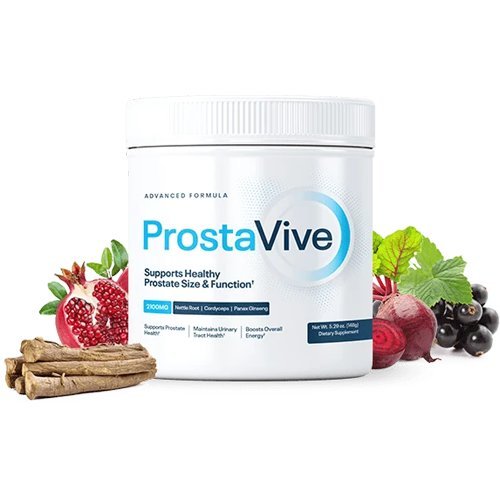
In the landscape of men's health, few issues are as persistent and frustrating as prostate-related discomfort. ProstaVive has emerged as a leading natural solution designed to address the root causes of urinary frequency, bladder pressure, and interrupted sleep. This advanced formula blends potent herbal extracts, essential minerals, and antioxidants to support a healthy prostate size and optimize urinary flow. Many ProstaVive Reviews highlight the product's ability to help men regain control over their daily lives and nocturnal habits. By targeting inflammation and hormonal imbalances, ProstaVive aims to provide a long-term strategy for men over 40 who want to maintain their vitality.
Scientific Analysis of Pumpkin Seed Oil
The Mechanism of Action: How Pumpkin Seed Oil Works
The therapeutic efficacy of pumpkin seed oil is primarily attributed to its complex chemical composition. It is a rich source of polyunsaturated fatty acids (PUFAs), particularly linoleic acid (Omega-6) and oleic acid (Omega-9). These fatty acids are essential for maintaining the structural integrity of cell membranes and regulating inflammatory responses throughout the body. However, the most distinctive feature of pumpkin seed oil is its phytosterol content. Phytosterols, specifically beta-sitosterol and delta-7-sterols, are plant-based compounds that structurally resemble cholesterol.
Hormonal Modulation and DHT Inhibition
One of the primary mechanisms through which pumpkin seed oil benefits human health is the inhibition of 5-alpha reductase. This enzyme is responsible for converting testosterone into dihydrotestosterone (DHT). Elevated levels of DHT are a primary driver behind androgenetic alopecia (male and female pattern baldness) and Benign Prostatic Hyperplasia (BPH). By modulating this enzymatic pathway, pumpkin seed oil helps maintain healthy hormone levels, protecting the prostate and hair follicles from the miniaturizing effects of DHT.
Proven Health Benefits and Scientific Research
1. Prostate Health and Benign Prostatic Hyperplasia (BPH)
Perhaps the most well-documented use of pumpkin seed oil is in the management of BPH, a condition characterized by the non-cancerous enlargement of the prostate gland. As men age, BPH can lead to uncomfortable urinary symptoms, including frequent urination, weak stream, and incomplete bladder emptying. Several clinical trials have demonstrated that pumpkin seed oil can significantly reduce these symptoms. A notable study published in the journal 'Nutrition Research and Practice' found that subjects taking pumpkin seed oil experienced a significant improvement in International Prostate Symptom Score (IPSS) and urinary flow rates compared to a placebo group. The phytosterols in the oil are believed to interfere with the binding of DHT to prostate cells, thereby slowing the growth of the gland.
2. Hair Growth and Scalp Health
In recent years, pumpkin seed oil has gained significant traction as a natural remedy for hair loss. A landmark double-blind, placebo-controlled study published in 'Evidence-Based Complementary and Alternative Medicine' investigated the effect of 400mg of pumpkin seed oil daily on men with androgenetic alopecia. After 24 weeks, the group receiving the oil showed a 40% increase in hair count, compared to only 10% in the placebo group. Researchers concluded that the oil's ability to block 5-alpha reductase was the likely cause of this remarkable growth. Furthermore, the oil’s high vitamin E and zinc content support scalp health and follicle strength, providing a multi-faceted approach to hair density.
3. Cardiovascular and Metabolic Support
Pumpkin seed oil is a cardiovascular powerhouse. It contains high levels of antioxidants, such as tocopherols and carotenoids, which protect the vascular system from oxidative stress. Research indicates that pumpkin seed oil can improve lipid profiles by increasing HDL (good) cholesterol and lowering blood pressure. The oil stimulates the production of nitric oxide, a molecule that helps blood vessels dilate and relax, improving overall circulation. In postmenopausal women, pumpkin seed oil has been shown to decrease diastolic blood pressure and alleviate symptoms like hot flashes and headaches, making it a valuable tool for metabolic health during hormonal transitions.
4. Urinary Tract and Bladder Function
Beyond the prostate, pumpkin seed oil has shown promise in treating overactive bladder (OAB). A study involving both men and women found that daily supplementation significantly reduced symptoms of OAB, including urgency and nighttime urination. The mechanism is thought to involve the strengthening of the pelvic floor muscles and the modulation of the bladder’s neurological receptors. This makes it an excellent non-invasive option for those seeking to improve urinary control.
Nutritional Profile: A Closer Look
The nutritional density of pumpkin seed oil is what sets it apart from other supplements. It is an excellent source of:
- Vitamin E (Tocopherols): Potent antioxidants that prevent cellular damage.
- Zinc: Vital for immune function and testosterone regulation.
- Magnesium: Essential for over 300 biochemical reactions, including muscle and nerve function.
- Carotenoids: Lutein and zeaxanthin, which support eye health and skin elasticity.
Potential Side Effects and Safety Considerations
Pumpkin seed oil is generally recognized as safe (GRAS) for most individuals when consumed in standard supplemental doses. Because it is a natural lipid, the most common side effects are gastrointestinal in nature, such as mild stomach upset or diarrhea, particularly when taken on an empty stomach. Due to its potential to lower blood pressure, individuals currently taking antihypertensive medications should consult with a healthcare provider to avoid hypotension. Similarly, because of its effects on hormone pathways, pregnant or breastfeeding women should seek medical advice before use. It is also important to note that pumpkin seed oil is calorie-dense; while healthy, it should be factored into daily caloric intake if used as a culinary oil.
Frequently Asked Questions
For general health and prostate support, most clinical studies utilize a dosage between 1,000mg and 2,000mg per day, usually divided into two doses. Always follow the specific manufacturer's instructions on the product label.
Hair growth cycles are slow, so patience is key. Clinical research suggests that consistent daily supplementation for at least 12 to 24 weeks is necessary to observe visible changes in hair density and count.
Yes, women can benefit significantly from pumpkin seed oil, particularly for urinary tract health, overactive bladder symptoms, and cardiovascular support during and after menopause.
It is generally recommended to take pumpkin seed oil with a meal. This helps enhance the absorption of its fat-soluble nutrients and minimizes the risk of mild digestive upset.
⚖️ Conclusion
Pumpkin seed oil stands as a formidable natural supplement with a robust profile of bioactive compounds, most notably its high concentration of phytosterols and essential fatty acids. Scientific research has consistently highlighted its efficacy in managing symptoms of Benign Prostatic Hyperplasia (BPH) and improving urinary function in both men and women. Furthermore, its potential role as a natural 5-alpha reductase inhibitor makes it a compelling option for those seeking to combat androgenetic alopecia without the side effects often associated with synthetic medications. From a cardiovascular perspective, the oil’s ability to modulate lipid profiles and support blood pressure regulation adds to its value as a holistic health aid. While generally safe for most individuals, it is essential to source high-quality, cold-pressed variants to ensure maximum nutrient density. In conclusion, the clinical evidence supports pumpkin seed oil as a versatile and effective dietary addition, particularly for prostate, hair, and metabolic health. It is recommended for adults looking for a plant-based approach to hormonal and circulatory wellness, though consultation with a healthcare professional is advised for those on medication.