
Home » Ingredients » Pygeum Africanum Bark
Pygeum Africanum Bark: The Natural Solution for Prostate and Urinary Health
Pygeum Africanum Bark is a potent herbal extract derived from the African cherry tree, widely utilized in dietary supplements for its ability to support male reproductive health. It is most commonly recognized for its clinically backed role in managing symptoms of benign prostatic hyperplasia and improving urinary flow.
Benefits of Pygeum Africanum Bark
What is Pygeum Africanum?
Pygeum africanum, botanically known as Prunus africana or the African cherry tree, is an evergreen species native to the high-altitude montane regions of Sub-Saharan Africa and several surrounding islands like Madagascar and Bioko. This majestic tree can grow up to 30 meters tall and is characterized by its dark, corrugated bark and thick, oblong leaves. While the tree itself provides valuable timber, it is the bark that holds the most significant medicinal value, containing a complex array of bioactive compounds that have been used for centuries.
A History of Traditional Use
The history of Pygeum is deeply rooted in African traditional medicine. For generations, indigenous tribes in South and Central Africa harvested the bark to create infusions and teas aimed at treating various ailments, most notably urinary tract disorders and what was colloquially known as "old man's disease." These symptoms, which we now identify as the clinical manifestations of an enlarged prostate, were effectively managed by these traditional preparations. European travelers in the 1700s eventually took note of these practices, leading to the formal botanical classification of the tree. By the mid-20th century, European pharmaceutical companies began investigating the bark's properties, leading to the development of standardized extracts that are now sold globally as dietary supplements and prescription medications in some countries.
Top Rated Supplements with Pygeum Africanum Bark
Discover top-rated products that utilize clinical doses of Pygeum Africanum Bark as a core ingredient.
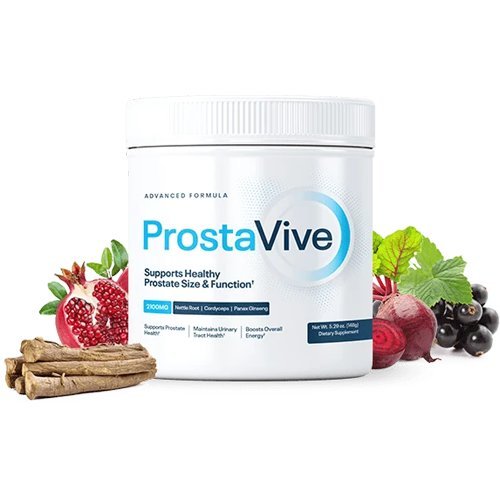
In the landscape of men's health, few issues are as persistent and frustrating as prostate-related discomfort. ProstaVive has emerged as a leading natural solution designed to address the root causes of urinary frequency, bladder pressure, and interrupted sleep. This advanced formula blends potent herbal extracts, essential minerals, and antioxidants to support a healthy prostate size and optimize urinary flow. Many ProstaVive Reviews highlight the product's ability to help men regain control over their daily lives and nocturnal habits. By targeting inflammation and hormonal imbalances, ProstaVive aims to provide a long-term strategy for men over 40 who want to maintain their vitality.
Scientific Analysis of Pygeum Africanum Bark
The Deep Dive: How Pygeum Africanum Works
To understand the efficacy of Pygeum Africanum, one must look at its complex chemical profile. The bark contains three primary groups of active constituents: phytosterols (such as beta-sitosterol), pentacyclic triterpenes (including ursolic and oleanolic acids), and ferulic acid esters (docosanol and tetracosanol). These components work synergistically to provide a multi-faceted approach to prostate and urinary health.
Mechanism of Action
The primary mechanism of Pygeum involves its anti-inflammatory and anti-proliferative effects. It works in the following ways:
- Inhibition of 5-Alpha-Reductase: Similar to some pharmaceutical interventions, Pygeum can inhibit the enzyme responsible for converting testosterone into dihydrotestosterone (DHT). High levels of DHT are a primary driver of prostate cell growth.
- Anti-Inflammatory Action: The triterpenes in Pygeum inhibit the production of pro-inflammatory prostaglandins and leukotrienes in the prostate, reducing the swelling and discomfort associated with an enlarged gland.
- Fibroblast Growth Factor Inhibition: Pygeum has been shown to inhibit the activity of basic fibroblast growth factor (bFGF), which plays a role in the hyper-proliferation of prostate tissue.
- Bladder Contractility: It may improve the elasticity and contractility of the bladder, helping to overcome the resistance caused by an enlarged prostate.
Proven Health Benefits
1. Management of Benign Prostatic Hyperplasia (BPH)
The most well-documented benefit of Pygeum is its role in treating Benign Prostatic Hyperplasia (BPH). BPH is a non-cancerous enlargement of the prostate gland that affects a majority of men as they age. This condition compresses the urethra, leading to symptoms like frequent urination, weak stream, and the inability to empty the bladder completely. Numerous clinical trials have demonstrated that Pygeum extract significantly reduces these symptoms, improving the overall quality of life for aging men.
2. Reduction of Nocturia
Nocturia, or the need to wake up multiple times during the night to urinate, is one of the most disruptive symptoms of prostate issues. Research indicates that men taking standardized Pygeum extracts experience a significant reduction in nighttime bathroom trips. This leads to better sleep quality and improved daytime energy levels.
3. Support for Urinary Flow and Volume
Clinical measurements have shown that Pygeum can increase the peak urinary flow rate and reduce the volume of residual urine left in the bladder. By relaxing the smooth muscles of the bladder neck and reducing prostate size, the extract allows for a more forceful and efficient voiding process.
4. Potential Anti-Cancer Properties
While Pygeum is not a treatment for prostate cancer, preliminary laboratory studies have suggested that its components, specifically atraric acid and N-butylbenzene sulfonamide, may possess anti-androgenic properties that could inhibit the growth of prostate cancer cells. However, much more human research is needed in this area before any definitive claims can be made.
Scientific Research and Clinical Studies
The scientific community has scrutinized Pygeum through various meta-analyses. A notable Cochrane Review analyzed 18 randomized controlled trials involving over 1,500 men. The review concluded that Pygeum Africanum provided a moderate but statistically significant improvement in urological symptoms and flow measures. Specifically, the researchers found that men taking Pygeum were twice as likely to report an improvement in overall symptoms compared to those taking a placebo. Furthermore, studies comparing Pygeum to Saw Palmetto suggest that while both are effective, Pygeum may be slightly more potent in its anti-inflammatory effects on the prostate tissue itself.
Standardization and Dosage
When choosing a Pygeum supplement, standardization is critical. Most clinical trials utilize an extract standardized to contain 13% total sterols. The typical recommended dosage ranges from 50mg to 200mg per day. This is often split into two 50mg doses or taken as a single 100mg dose. It is important to note that Pygeum is a slow-acting supplement; most users do not see significant improvements until they have been taking it consistently for 4 to 8 weeks.
Potential Side Effects and Safety
Pygeum Africanum is generally considered safe and well-tolerated when taken at recommended dosages. Side effects are rare and typically mild, including:
- Gastrointestinal upset (nausea, constipation, or diarrhea)
- Headaches
- Dizziness
Because Pygeum can influence hormonal pathways, it is generally recommended only for men. Pregnant or nursing women and children should avoid its use. As always, individuals with pre-existing medical conditions or those taking prescription medications should consult with a healthcare provider before starting Pygeum, as it may interact with other hormonal therapies or prostate medications.
Environmental Sustainability
It is worth noting that Prunus africana is a protected species under CITES (Convention on International Trade in Endangered Species of Wild Fauna and Flora) Appendix II. Due to the high demand for its bark, over-harvesting became a significant issue in the late 20th century. Responsible supplement manufacturers now source their Pygeum from sustainable plantations or through strictly regulated wild-harvesting programs that ensure the survival of the species. When purchasing, look for brands that emphasize ethical and sustainable sourcing practices.
Frequently Asked Questions
Pygeum is not an instant fix. Most clinical studies show that it takes between 4 to 8 weeks of consistent daily use to see a significant reduction in urinary symptoms and improvement in flow.
Yes, Pygeum and Saw Palmetto are frequently combined in prostate support formulas. They work through slightly different mechanisms and may offer synergistic benefits for bladder and prostate health.
Most studies have evaluated Pygeum for periods of 6 months to a year and found it to be safe. However, it is always best to consult with a doctor for long-term management of prostate health.
While Pygeum inhibits the conversion of testosterone to DHT, it does not typically lower serum testosterone levels. In some cases, by preventing DHT conversion, it may help maintain healthy testosterone balance.
While some people use Pygeum off-label for DHT-related hair loss in women, there is very little clinical evidence to support this use, and it should only be done under medical supervision due to its hormonal effects.
⚖️ Conclusion
Pygeum Africanum Bark stands as one of the most well-researched botanical interventions for male urological health, particularly in the management of Benign Prostatic Hyperplasia (BPH). The scientific consensus, supported by multiple clinical trials and meta-analyses, indicates that its bioactive compounds—specifically phytosterols and triterpenes—effectively reduce inflammation and inhibit the overgrowth of prostate tissue. This leads to significant improvements in urinary flow, a reduction in nighttime bathroom trips, and an overall enhancement in quality of life for aging men. While it is not a cure for prostate cancer, its role as a supportive therapy for lower urinary tract symptoms is undeniable. For those seeking a natural alternative or adjunct to conventional treatments, Pygeum offers a high safety profile with minimal side effects. We recommend a standardized extract containing 13 percent total sterols for maximum efficacy. Always consult with a healthcare professional before beginning any new supplement regimen to ensure it aligns with your specific health needs and does not interfere with existing medications. Its long history of traditional use combined with modern clinical validation makes it a premier choice for prostate support.